- Stock: 41
- Model: Cristal bor- 4.5mm -329x329
Tamaño
213x200x3
214x214x3
220x220x3
235x235x5
220x280x3
300x200x3
329x329x4.5
400x400x4.5
500x500x4.5
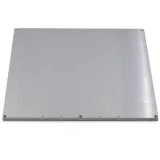
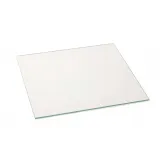
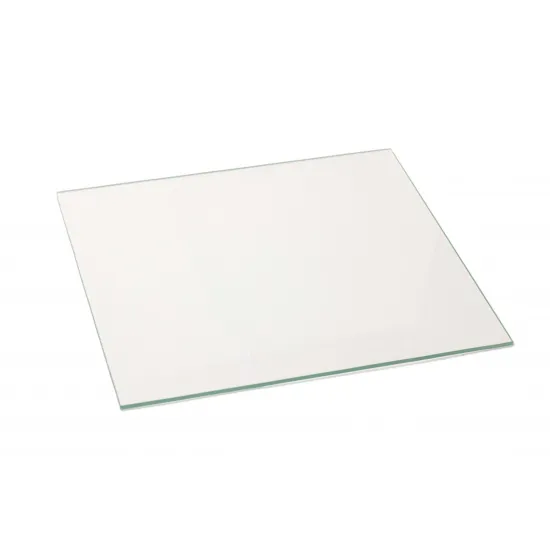
329 × 329 mm, 4-4.5 mm thick tempered borosilicate glass plate for use as a rigid print surface over an FDM/FFF 3D printer bed. Its lower thermal expansion compared with conventional glass helps maintain a stable surface through repeated heating and cooling cycles.
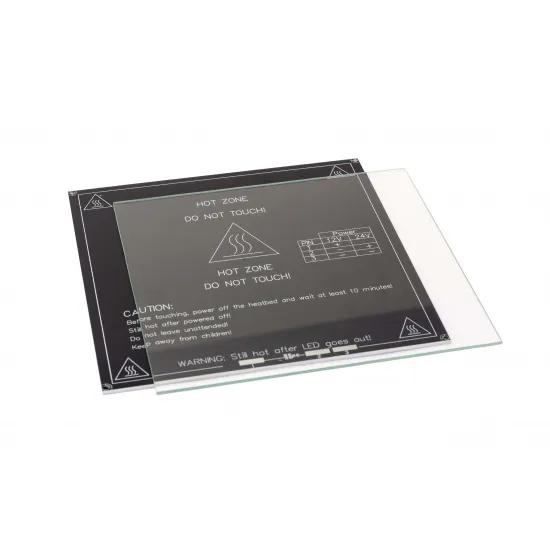
The smooth face can produce an even first layer when the machine is correctly levelled. Only the glass is supplied: heatbed, heater, sensor, adhesive and clips are not included.
Specifications
| Feature | Value |
|---|---|
| Material | Tempered borosilicate glass |
| Nominal dimensions | 329 × 329 mm, 4-4.5 mm thick |
| Thickness | between 4 and 4.5 mm |
| Surface | Smooth and transparent, with no technical coating declared |
| Reference density | Approximately 2.23 g/cm³ |
| Calculated theoretical mass | approximately 966 g to 1.09 kg; approximate value subject to tolerances and finishing |
| Format | Rectangular, with no holes specified |
| Contents | 1 glass plate |
The mass is a geometric estimate based on the approximate density of borosilicate glass. It must not be used as certified data for shipping, structural calculations or critical applications.
Compatibility checks
It dimensionally matches 329 × 329 mm MK3 beds used in some large-format builds. It is not equivalent to the 310 × 310 mm or 315 × 310 mm plates used by other 300 mm machines. Its actual 4 to 4.5 mm thickness variation must be considered when choosing clips and setting Z.
- External dimensions: measure the physical plate, not only the advertised build volume.
- Thickness: verify that clips can hold it and sufficient Z travel remains available.
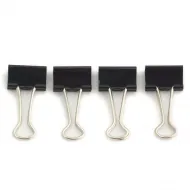
- Retention: glass is not held by a magnetic base and requires clips or another suitable system.
- Travel: no clip may collide with the nozzle, carriage, belts or frame.
- Moving bed: added mass may require reviewing acceleration, transmission and mechanical stability.
Bed probes and Z adjustment
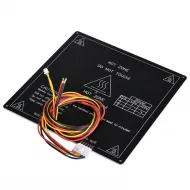
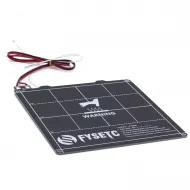
After fitting the glass, always review the endstop, Z offset and bed mesh. An inductive probe does not detect glass; it may only detect the metal plate underneath if it retains enough range through the glass and any gap. Check this manually under supervision before automatic homing.
Mechanical, contact or load-based probes can measure the upper face, but they still require recalibration. Never reuse an unchecked Z setting created for a thinner surface.
Recommended installation
- With the machine switched off and cold, inspect both faces, edges and corners. Do not install cracked or chipped glass.
- Clean the supporting bed and ensure that no screws, debris or solder joints create a point load.
- Support the glass fully flat and secure it with evenly distributed clips without overtightening.
- Move the axes by hand and confirm that the glass and fasteners remain outside every collision path.
- Set the endstop, Z offset and bed levelling before heating.
- Supervise the first heat-up and run a small first-layer test.
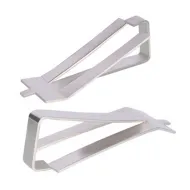
Retention options include the spring clip for glass and heatbeds or the adjustable screw clip, provided their opening, pressure and geometry suit the total thickness.
Heating, adhesion and part removal
The thermistor normally measures the heater plate rather than the upper glass face. Larger or thicker plates may need additional time to stabilise after the display reaches its target. Use the filament manufacturer's recommended bed temperature and do not raise it merely to compensate for an incorrect first layer.
Adhesion depends on material, cleanliness and first-layer setup. A thin layer of 3DLAC aerosol or 3DLAC Plus can be used on glass. With PETG, flexible filaments and other strongly bonding materials, a separation layer helps reduce the risk of pulling fragments from the surface.
Allow the assembly to cool before removing the part. Do not lever with a tool that can strike the glass or concentrate pressure on an edge.
Other available sizes
If this plate does not match the actual bed, see 235 × 235 × 5 mm glass and 400 × 400 × 4.5 mm glass. Selecting a nearby size does not replace checking dimensions, thickness, retention and travel.