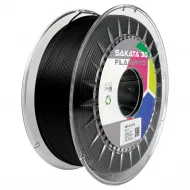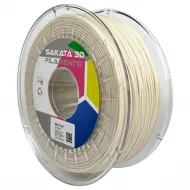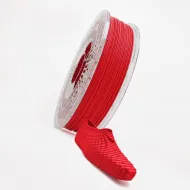


- Stock: 2
- Model: Filaflex-SEBS

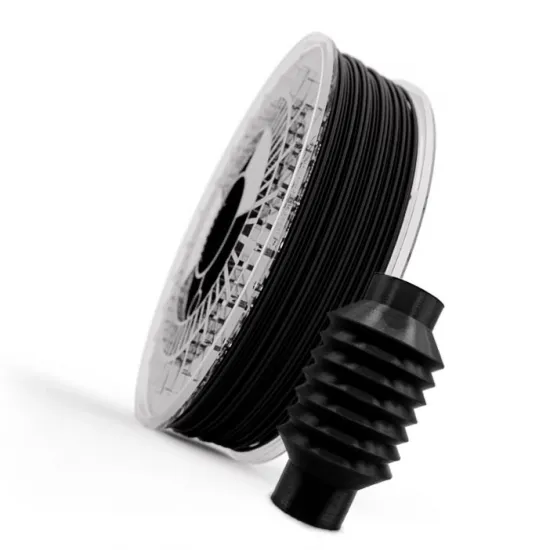
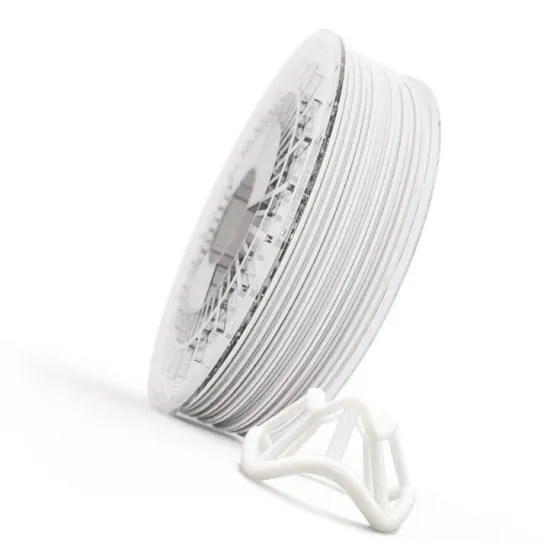
Recreus Filaflex SEBS 90A is a Spanish-made 1.75 mm flexible filament based on a SEBS TPE (styrene-ethylene-butylene-styrene). It combines a soft feel with good elastic recovery and a nominal Shore 90A hardness, making it easier to feed than ultra-soft Filaflex grades while still producing flexible parts.
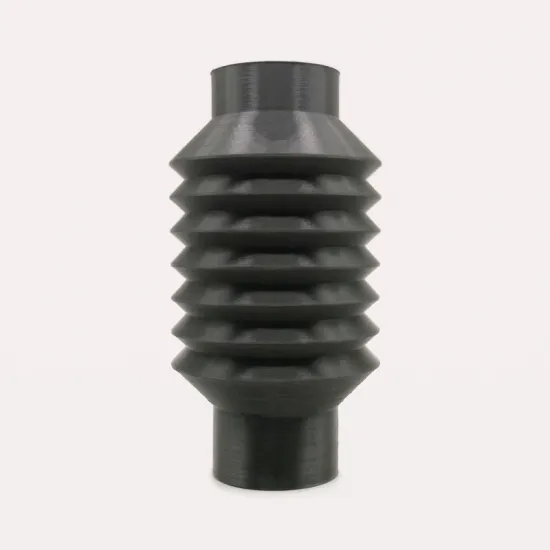
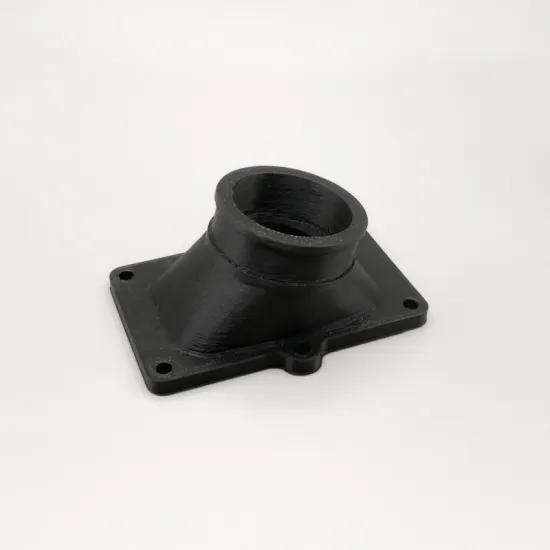
Compared with conventional TPU, the SEBS formulation stands out for its low affinity for water and resistance to environmental ageing. It is particularly useful for bellows, guards, ducts, seals, buffers and components subject to repeated flexing. Finished performance also depends on design, wall thickness and print settings.
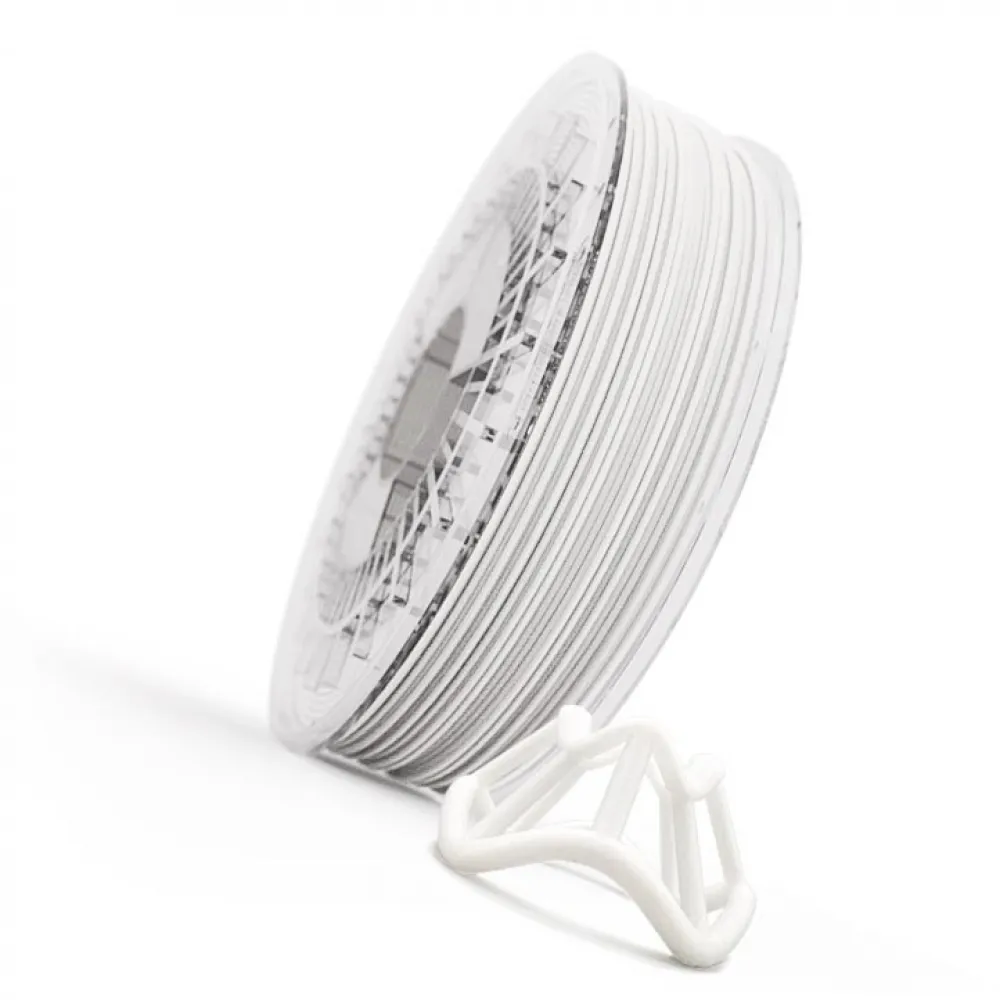
What a SEBS-based TPE offers
- Shore 90A flexibility: suitable for deformable parts that need to recover their shape.
- Impact and fatigue resistance: useful for components subject to knocks or repeated flexing.
- Hydrophobic material: it has lower affinity for water than many TPUs, although it should still be stored correctly and dried if moisture symptoms appear.
- Good environmental resistance: SEBS performs favourably under UV and exposure to various chemicals, subject to the actual exposure conditions.
- Soft feel and electrical insulation: useful qualities for grips, guards and housings; they do not replace electrical approval of the finished component.
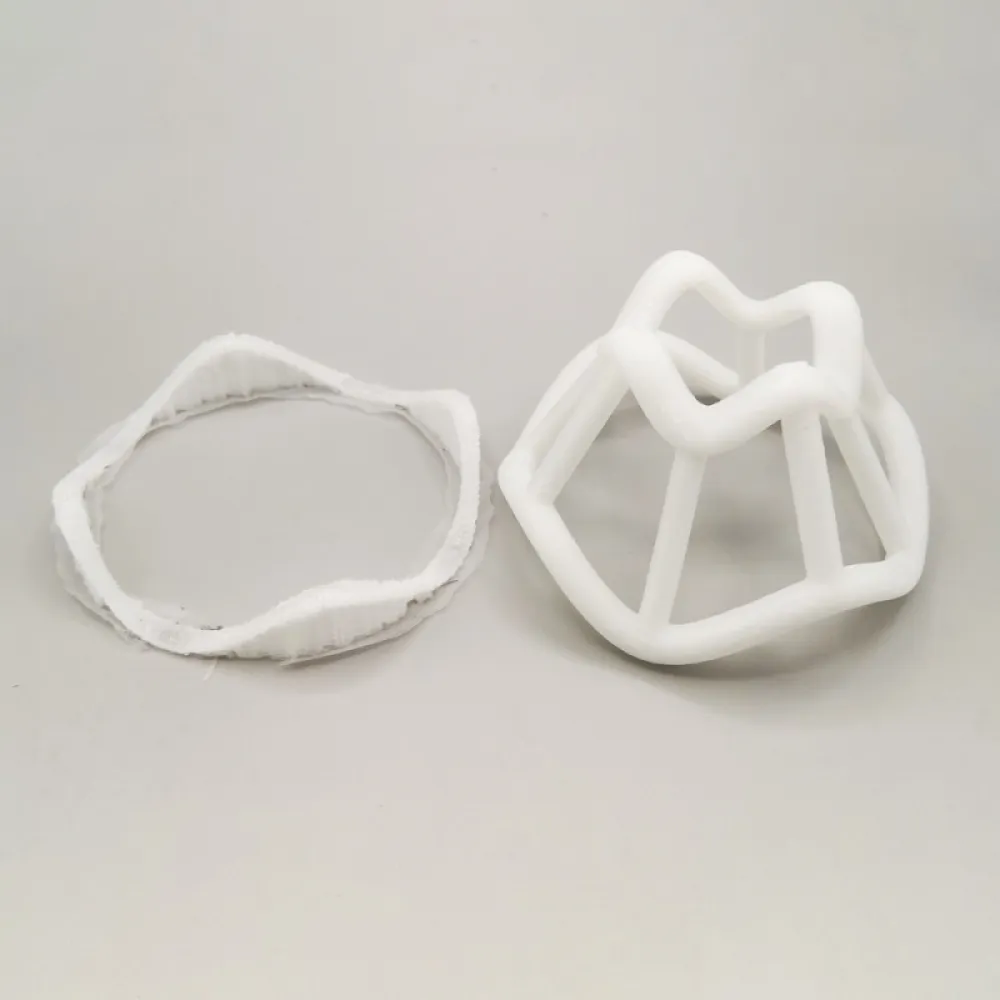
- Easier support removal: the formulation helps supports separate cleanly in many geometries.
Technical properties
| Property | Value | Method |
|---|---|---|
| Material | SEBS-based TPE | Recreus |
| Hardness | 90 Shore A, 3 s reading | DIN ISO 7619-1 |
| Density | 0.906 g/cm³ | Technical data sheet |
| Tensile modulus | 83 MPa | ISO 527 |
| Elongation at break | 146% | DIN 53504-S2 |
| Tear strength | 73.5 N/mm | ISO 34-1 |
| Abrasion loss | 230 mm³ | ISO 4649 |
| Notched Charpy impact at 23 °C | 58 kJ/m² | ISO 179 |
| Notched tensile impact at 23 °C | 42 kJ/m² | ISO 8256/1 |
| HDT at 0.45 MPa | 35 °C | ISO 75-2 |
| Vicat softening | 63 °C, method A | ISO 306 |
| Supplied format | 1.75 mm - 600 g spool - white | HTA3D product |
These figures refer to the material or standard test specimens. FFF parts are also affected by orientation, layer bonding, perimeter count, infill, geometry and processing. HDT and Vicat figures are not, by themselves, a universal maximum service temperature.
Current Recreus starting settings
The current official guide uses 245 °C, a 70-80 °C bed and flow limits matched to each nozzle. These are direct-drive starting settings and replace older recommendations that may still appear in previous documentation.
| Nozzle | Layer height | Line width | Initial max flow | Temperature |
|---|---|---|---|---|
| 0.4 mm | 0.20 mm | 0.40 mm | 5.0 mm³/s | 245 °C |
| 0.6 mm | 0.30 mm | 0.60 mm | 11.2 mm³/s | 245 °C |
| 0.8 mm | 0.40 mm | 0.80 mm | 20.0 mm³/s | 245 °C |
| 1.0 mm | 0.50 mm | 1.00 mm | 31.2 mm³/s | 245 °C |
For a 0.4 mm nozzle, Recreus suggests 31.25 mm/s for external perimeters, 46.88 mm/s internally, 62.50 mm/s for infill, 37.50 mm/s for top and bottom surfaces, and 18.75 mm/s on the first layer. For other combinations, control volumetric flow instead of copying linear speeds.
Retraction and cooling
- Retraction: start at 0.8-1.2 mm at 30 mm/s with 0.2 mm Z-hop.
- First layer: 0% fan, moderate speed and line width close to 110%.
- Normal cooling: around 20% when layer time exceeds 10 seconds.
- Short layers and bridges: up to 40% where required by the geometry.
- Environment: stable room temperature without drafts; no heated chamber is required.
- Adhesion: use a clean bed and add a brim for large parts or small contact areas.
Extruder, hotend and Bowden compatibility
Recreus recommends direct drive, with a short, constrained path from the drive gears to the hotend. A 0.4 mm or larger brass nozzle is suitable for this unfilled formulation.
Its 90A hardness allows it to work in certain well-prepared Bowden systems, but compatibility is not universal. Tube length and clearance, guidance beside the drive gear, idler pressure, friction and retraction settings all affect feeding. If the filament compresses or stops advancing, reduce flow and retraction before increasing extruder pressure.
Profiles for specific printers
Recreus publishes starting profiles for Bambu Lab P1P/P1S, X1/X1C/X1E, A1/A1 mini, P2S, H2S and H2D, plus Original Prusa MK4/MK4S, CORE One/CORE One+/CORE One L and Prusa XL. A profile helps with integration, but machine revision, nozzle, extruder and current instructions must still be checked.
Hydrophobic behaviour, water and outdoor exposure
SEBS is hydrophobic and less prone than many TPUs to taking up moisture, but a poorly stored spool may still produce bubbles, popping or an uneven surface. If this occurs, Recreus recommends drying at 50 °C for about 3 hours in a filament dryer or ventilated, preheated equipment, then storing it in a sealed bag or container with desiccant.
A printed part is not automatically watertight: sealing depends on perimeter count, layer bonding, pores, nozzle and geometry. Chemical and UV resistance must likewise be validated for the actual substance, concentration, temperature, duration and mechanical load before critical use.
Design and applications
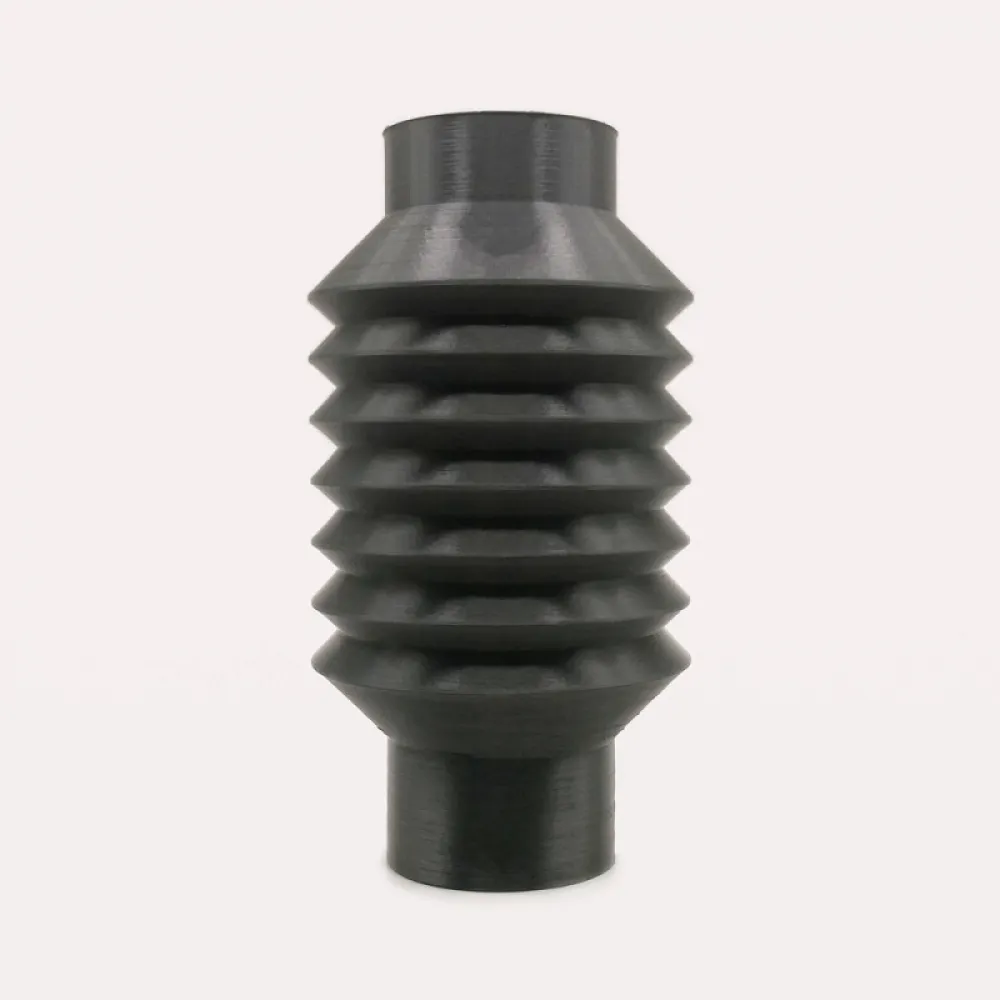
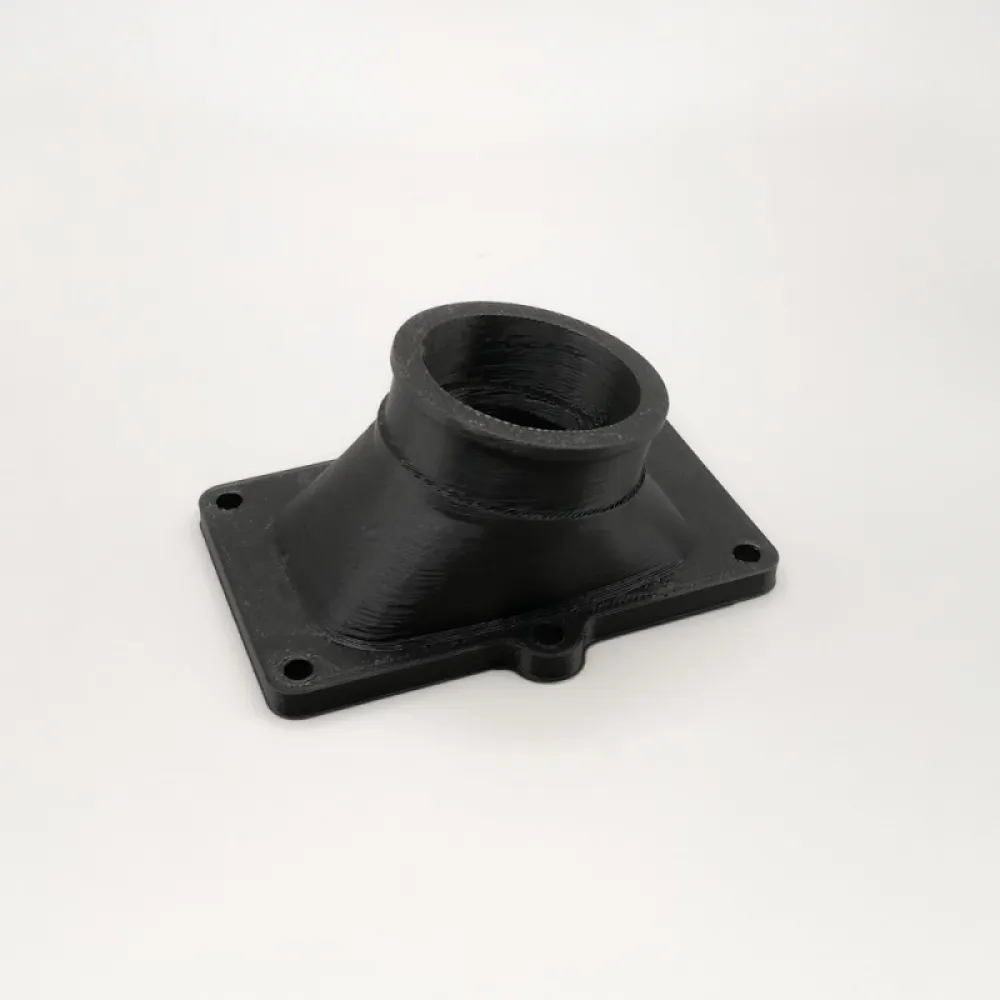
- Bellows, flexible ducts and protection against dust or splashes.
- Seals, buffers, dampers and impact guards.
- Grips, soft-touch covers and protective components.
- Outdoor parts after validating the specific conditions.
- Prototypes required to withstand repeated flexing.
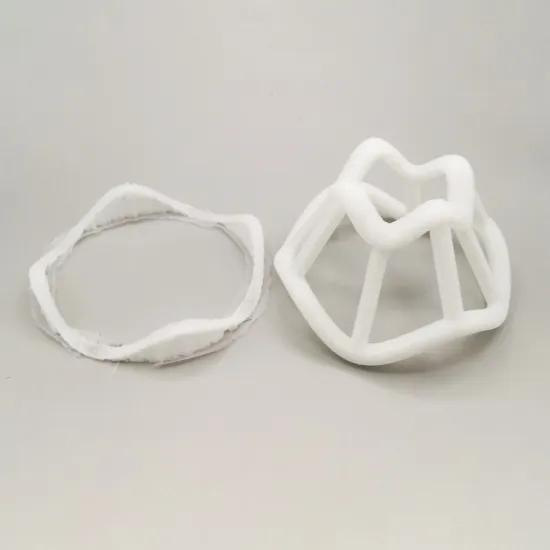
- Complex supports where easy removal is valuable.
Shore hardness describes the material, not the complete flexibility of a part. Fewer perimeters, thin walls and low infill increase deformation; thicker walls, more shells and dense infill produce firmer components.
Troubleshooting
- Bubbles, popping or rough finish: dry the spool before changing the profile.
- Irregular extrusion: inspect the nozzle, filament path and idler pressure, then reduce flow and speed.
- Stringing: start with dry material and tune temperature, retraction and travel in small steps.
- Filament buckling in the extruder: remove gaps in the path and reduce retraction and back pressure.
- Poor adhesion: clean the bed, check first-layer squish and add a brim where required.
Choosing within the Filaflex range
- Filaflex 95A Medium-Flex: firm, fast and easy-feeding TPU.
- Filaflex SEBS 90A: flexible feel, low affinity for water and good environmental behaviour.
- Filaflex 82A Original: softer and more elastic, with more demanding printing.
- Filaflex 70A Ultra-Soft: very soft material for prepared direct-drive systems.
- Filaflex 60A PRO: the softest and most demanding grade in the family.
It is for you if
- You need a flexible 90A part with a soft feel and good recovery.
- You want a TPE with low affinity for water for technical or environmental use.
- Your extruder has a well-guided path and you can tune the profile by flow rate.
It is not for you if
- You require a very soft part: Filaflex 82A, 70A or 60A may be more appropriate.
- Your automatic filament system does not state support for 90A flexibles.
- You need guaranteed watertightness, chemical resistance, safety insulation or regulated use without testing the finished part.
- You require continuous operation above the thermal limits shown in the technical data sheet.
Safety and special applications
Process the material with suitable ventilation and avoid contact with molten polymer. Although the manufacturer attributes insulation and environmental-resistance properties to SEBS, the printed part must be validated for electrical, food-contact, healthcare or safety-related use. It is not presented as a certified finished component, and general autoclave sterilisation is not guaranteed.