- Stock: 999830
- Model: DIN-985-tuerca-bl
Tipo:

Blued Screw

Blued - Pan head screw

Stainless Steel -Blued - Pan head screw

Blued steel - Countersunk

Blued - Hexagonal Head

Stainless steel - Set screw

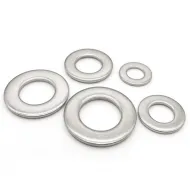
Flat - Zinc plated steel

Flat Fat low - Zinc plated steel

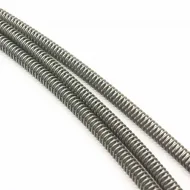
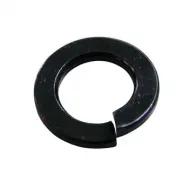
Helical pressure - Steel

Hex Nut - Zinc Plated Steel

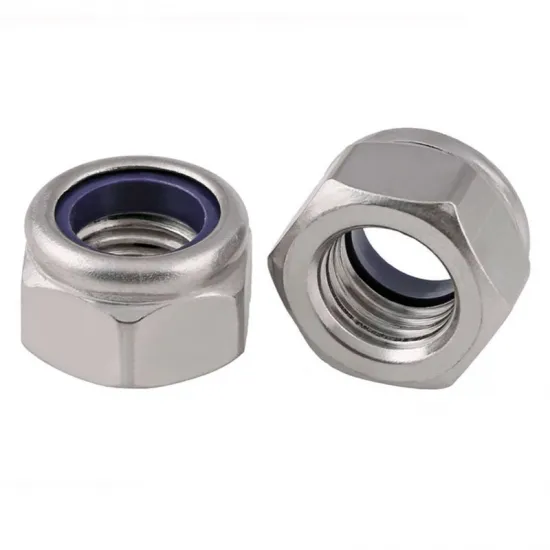
Hexagonal - Self-locking - Zinc Plated Steel
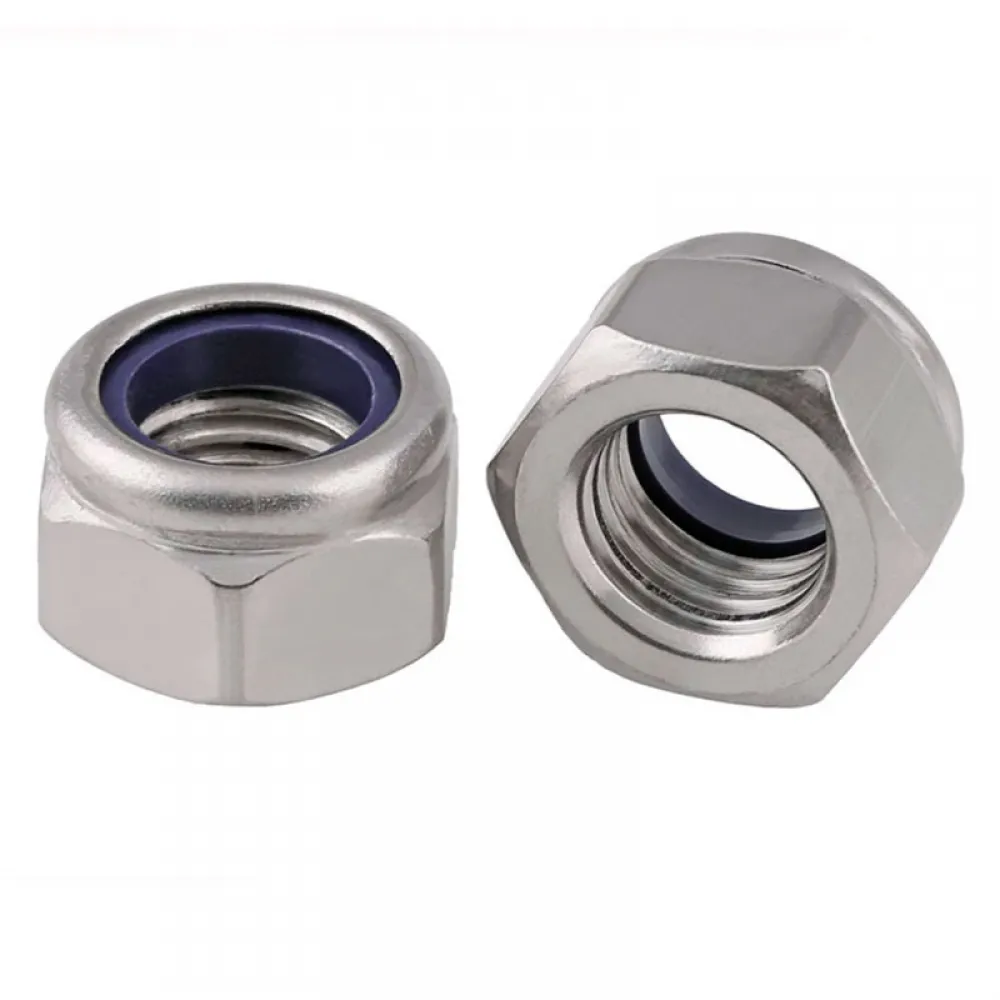
DIN 985 prevailing-torque hex lock nut, manufactured from zinc-plated class 8 steel and fitted with a non-metallic insert that creates resistance against the screw thread.
This system helps reduce the risk of the nut becoming completely detached when the assembly is exposed to vibration or repeated movement. It is commonly used in 3D printers, CNC machines, robotics, motors, linear carriages and other moving mechanisms.
Available thread sizes
- M3
- M4
- M5
- M6
- M8
Nominal thread and spanner sizes
| Thread | Pitch | Spanner size |
|---|---|---|
| M3 | 0.5 mm | 5.5 mm |
| M4 | 0.7 mm | 7 mm |
| M5 | 0.8 mm | 8 mm |
| M6 | 1 mm | 10 mm |
| M8 | 1.25 mm | 13 mm |
Features
- Type: low-profile prevailing-torque hex lock nut.
- Reference standard: DIN 985.
- Material: steel.
- Finish: zinc plated.
- Declared property class: 8.
- Standard-pitch metric thread.
- Non-metallic prevailing-torque insert.
Operation and installation
The screw should enter through the metal side of the nut. As it is tightened, the thread reaches and controllably deforms the insert, producing additional rotational resistance.
Select the same thread diameter and pitch as the screw. Once tightened, at least one complete thread should preferably protrude beyond the insert whenever the assembly design allows it.
It can be dimensionally combined with the DIN 933 / ISO 4017 class 8.8 hex head screw when the same thread size is selected. Screw length must account for the thickness of the parts, any washers, the nut height and the thread required to pass through the insert.
Usage precautions
- The locking action helps prevent loss of the nut but does not by itself guarantee that the joint will retain its full preload under every vibration condition.
- The locking effect decreases with repeated use. Replace the nut if it no longer provides noticeable resistance during installation.
- For critical or maintenance-controlled joints, follow the applicable installation and replacement procedure.
- Do not use it close to intense heat sources without first checking the permissible temperature of the insert.
- It should not be confused with an all-metal high-temperature lock nut.
For a conventional joint that does not require a locking insert, consider the DIN 934 / ISO 4032 hex nut. For certain M5 or M6 applications, M5 and M6 serrated flange nuts are also available, although they use a different locking method and bearing surface.
Sales format
This product may have a minimum order quantity. Units are counted by weight, so an approximate maximum tolerance of 5% is accepted, although the supplied quantity will normally be very accurate.