Menu
Your Cart

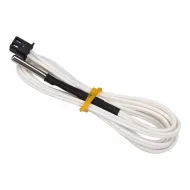
Mellow PT1000 temperature sensor, 3 × 15 mm, 1.5 m cable, up to 450 °C

Mellow PT1000 temperature sensor, 3 × 15 mm, 1.5 m cable, up to 450 °C
New
Mellow PT1000 temperature sensor, 3 × 15 mm, 1.5 m cable, up to 450 °C
11.95€
Ex Tax: 9.88€
  • Stock: 10
  • Model: MELLOW-PT1000
Fast shipping from Spain
Delivery from 24 hours and free shipping available in mainland Spain.
Stock on hand
Shipped quickly from Spain, with a full VAT invoice.
Secure & flexible payment
Pay by card, PayPal or bank transfer.
Expert technical support
Over 10 years helping customers with components and compatibility.

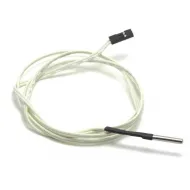
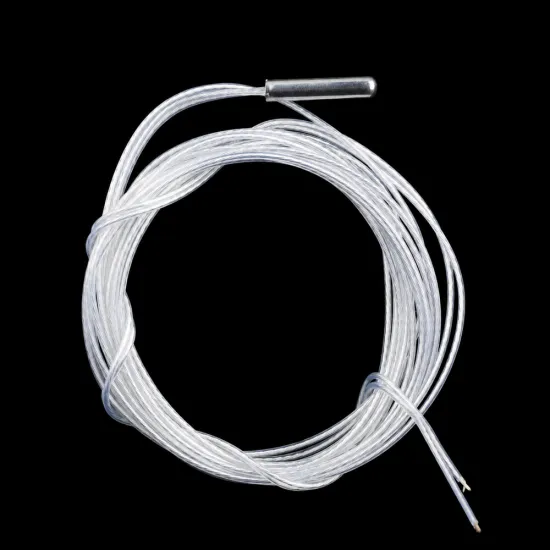
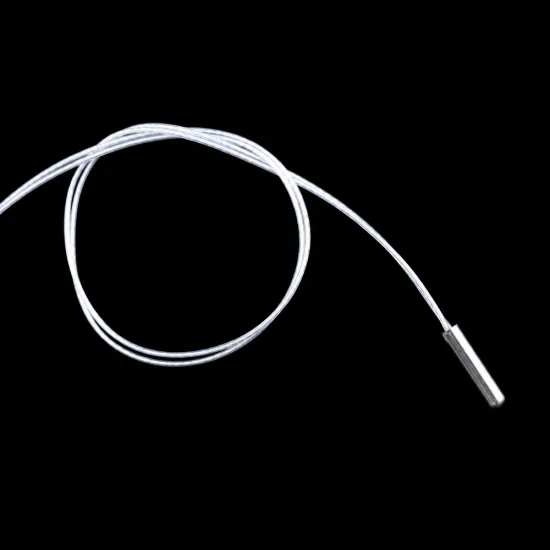
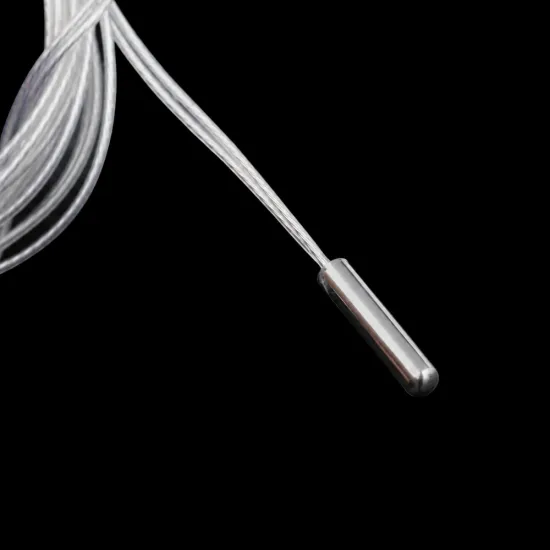
The Mellow PT1000 is a platinum temperature sensor housed in a 3 × 15 mm metal cartridge, supplied with a 1.5 m cable. It measures heater-block temperature and provides an alternative to NTC thermistors in hotends designed for cartridge sensors. Mellow specifies a 0–450 °C measurement range.

Its usefulness goes beyond the upper temperature limit: the platinum resistance curve is supported by Marlin, Klipper and RepRapFirmware. A suitable analogue input can read it without an additional MAX31865 module, provided the electronics and firmware are correctly configured.

How it differs from an NTC thermistor

PT1000 means a nominal resistance of 1000 Ω at 0 °C. Unlike an NTC, its resistance increases as temperature rises. It is therefore not configured as a 100 kΩ thermistor and does not use a 3950 beta value. Two sensors may fit the same block while having completely different electrical behaviour.

The cartridge format protects the sensing element and suits blocks with a cylindrical sensor bore and matching retention system. The 1.5 m cable helps reach the main electronics or adapt the wiring route to a toolhead board, without automatically needing an extension.

Compared with a PT100, its ten-times-higher nominal resistance makes direct reading practical on many temperature inputs. This does not make every input compatible or guarantee higher accuracy: electronics, connections and thermal installation also affect the result.

Technical specifications

BrandMellow
Sensor typePlatinum RTD PT1000
Nominal resistance1000 Ω at 0 °C
Metal cartridge3 mm diameter; 15 mm length
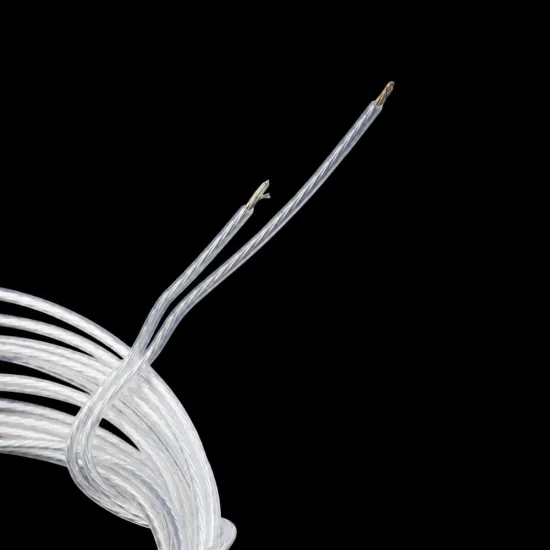
Cable1.5 m length; two wires
Mellow stated range0–450 °C, subject to the installation limits
Direct readingSuitable analogue input and firmware configured for PT1000
Sensor polarityNon-polarised

Hotend and printer compatibility

Suitable for V6, Volcano, Dragon and NF-Crazy installations with an appropriate bore and retention system for a 3 × 15 mm cartridge. The family name alone does not establish replacement compatibility: different block revisions, bead-thermistor bores and assemblies with integrated sensors may not accept this cartridge.

For a Voron 2.4, Trident or another customisable printer, compatibility depends on the fitted hotend and electronics, rather than the printer name alone. Check these three points:

  • Mechanical fit: diameter, clearance for the 15 mm cartridge, insertion depth and retention method.
  • Electrical reading: an analogue input suitable for PT1000, its pull-up resistance and correct connection of both wires.
  • Firmware: the PT1000 curve selected and temperature limits appropriate for the assembly.

When building a V6 hotend from components, the V6 brass heater block for 3 mm cartridge sensors provides the corresponding bore diameter. Also verify cartridge insertion and retention; mechanical compatibility does not replace the electronics configuration.

Connection: a sensor, not a heater cartridge

Connect both wires to the temperature-measurement input identified in your board manual. The resistive element has no polarity. Do not connect it to a heater or fan output, or directly to a 12 or 24 V power supply.

If the board selects different pull-up resistances using a jumper, check its position with power disconnected. Setting 2200 or 1000 Ω in firmware does not physically change a 4700 Ω resistor: the hardware and configured values must match.

Marlin configuration

For direct connection to an input with a 4.7 kΩ pull-up, change the first hotend sensor in Configuration.h:

#define TEMP_SENSOR_0 1047

Select the setting that matches the input's actual resistance:

Actual input pull-upMarlin sensor typeKlipper pullup_resistor
4.7 kΩ / 4700 Ω10474700
2.2 kΩ / 2200 Ω10222200
1 kΩ / 1000 Ω10101000

Use the corresponding sensor parameter for a different heater, then compile and flash firmware for your board. Option 1047 is a PT1000 curve for a 4.7 kΩ pull-up; comments naming another brand do not make the curve exclusive to that brand. Options 1 and 11 are NTC settings, not settings for this PT1000.

Klipper configuration

In the existing heater section, such as [extruder], configure these lines if the input uses a 4.7 kΩ pull-up:

sensor_type: PT1000
pullup_resistor: 4700

Keep or adapt sensor_pin to the board's actual analogue input. For a 2.2 kΩ or 1 kΩ input, use 2200 or 1000 respectively. Do not duplicate the extruder section or keep parameters intended for a custom NTC. Save your changes and restart Klipper before checking the reading.

RepRapFirmware 3 configuration

On Duet 2, this example defines sensor number 1 connected to E0_TEMP:

M308 S1 P"e0temp" Y"pt1000"

On Duet 3, the port may be named temp0, temp1 or otherwise, depending on the board and connection. Adapt S and P to your configuration, and verify that the heater created with M950 is assigned to the correct sensor through T. Do not copy another machine's heater-output mapping.

For Duet boards with their standard measurement circuitry, RepRapFirmware uses the resistance value appropriate to the hardware; do not add an arbitrary R parameter. An NTC's beta and nominal-resistance parameters are not the configuration for this sensor.

Installation and first checks

  1. Disconnect power and allow the hotend to cool before replacing the sensor. Insert and secure the cartridge according to the heater-block instructions, without crushing it or pinching its wires.
  2. Route the cable with clearance for toolhead movement and strain relief. Mellow specifies PTFE cable insulation: keep it away from the hot zone and do not interpret the 450 °C sensor rating as the permissible temperature for the whole installation.
  3. After configuring firmware, first check for a plausible reading at room temperature. If the value is implausible, unstable or reports a sensor fault, do not enable the heater.
  4. Perform a supervised initial heating test at a low temperature and verify that the correct sensor reading rises. If it does not respond correctly, disconnect power and inspect the installation.
  5. Review PID tuning or your firmware's heater model after replacement, keeping thermal protections enabled.

450 °C is the sensor's stated upper limit, not a recommended operating temperature for the complete hotend. The operating limit must respect the lowest-rated component: heatbreak, heater, nozzle, block, insulation, wiring and other parts. Do not automatically raise max_temp or HEATER_0_MAXTEMP to 450 °C.

Frequently asked questions

Do I need a MAX31865 board?

Not necessarily. A suitable, correctly configured analogue input can read it directly. If you choose a MAX31865 interface, it must support PT1000 and be configured for the sensor's nominal resistance and the module's actual reference resistor. An unmodified PT100 configuration is not suitable.

What resistance should I measure with a multimeter?

With the sensor cold and disconnected from the electronics, approximately 1.1 kΩ at room temperature; the nominal curve gives about 1097 Ω at 25 °C. This is a useful identification and open/short-circuit check, not a precision calibration.

Can I replace a 100 kΩ NTC without changing anything?

No. The cartridge format may match, but you must change the sensor selection and check the measurement input. Leaving the NTC curve selected would produce an incorrect temperature interpretation.

It is for you if…

  • You need a PT1000 sensor for a hotend accepting a 3 × 15 mm cartridge.
  • You want to configure an open or customisable printer with Marlin, Klipper or RepRapFirmware.
  • You prefer to use a suitable analogue input without necessarily adding a reading interface.

It is not for you if…

  • You need a no-adjustment replacement for a printer with closed firmware or an integrated sensor of a different format.
  • Your heater block uses a bead thermistor or a different sensor bore.
  • You are looking for a cartridge that generates heat: this component measures temperature, rather than heating.

Included

1 Mellow PT1000 sensor with a 3 × 15 mm metal cartridge and a 1.5 m cable. Heater block, heater cartridge and reading module are not included.

Configuration documentation

Marlin sensor types · Directly connected PT1000 in Klipper · PT1000 connection on Duet / RepRapFirmware.

Write a review

Note: HTML is not translated!
Bad Good
Captcha