

- Stock: 1
- Model: Nebula

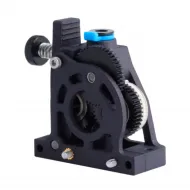
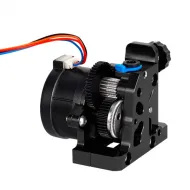
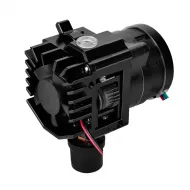
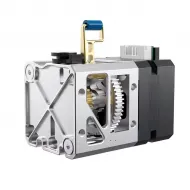
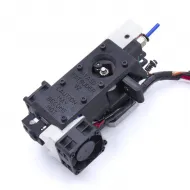
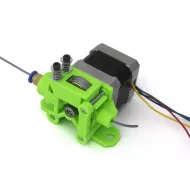
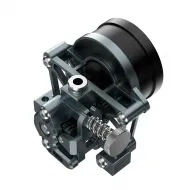
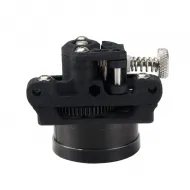
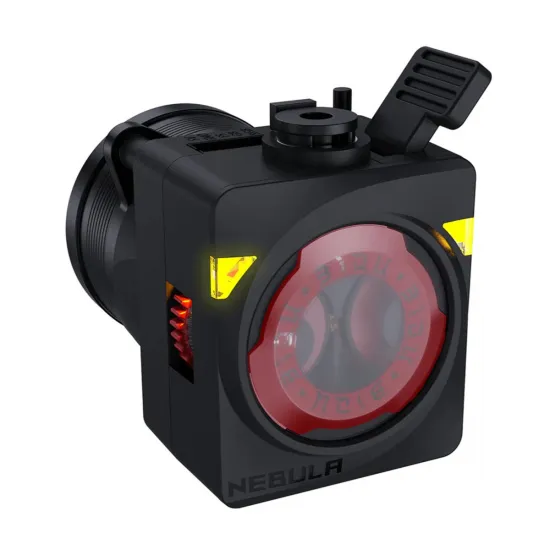
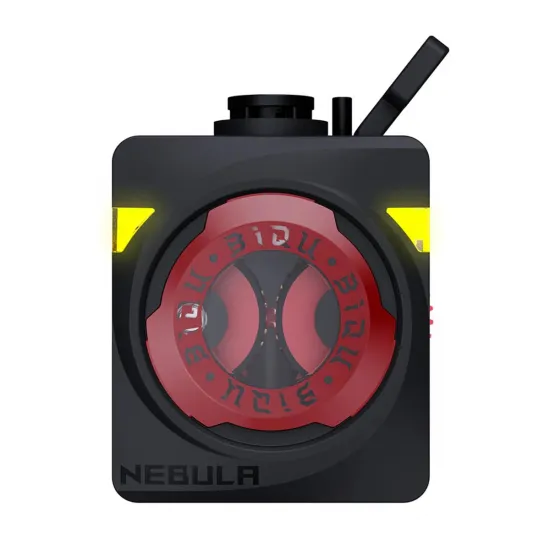
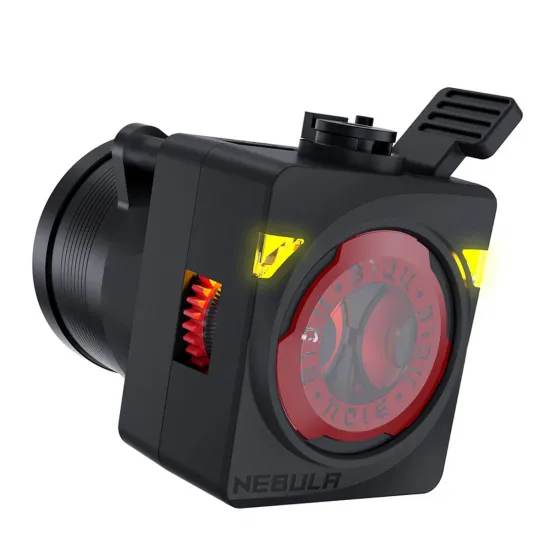
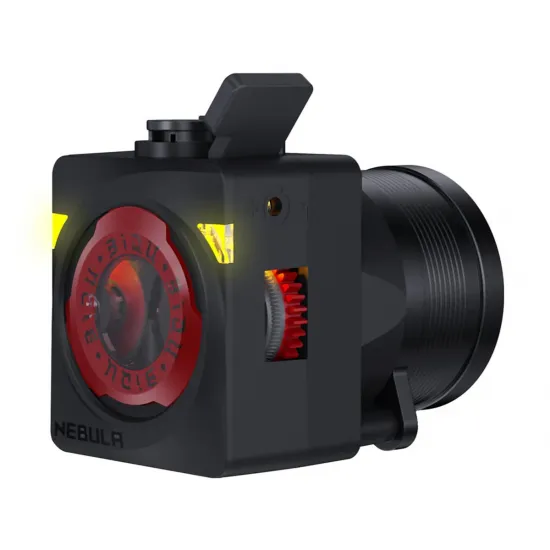
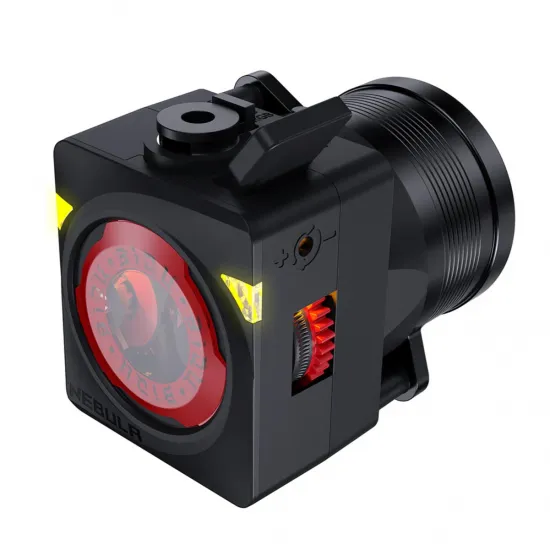
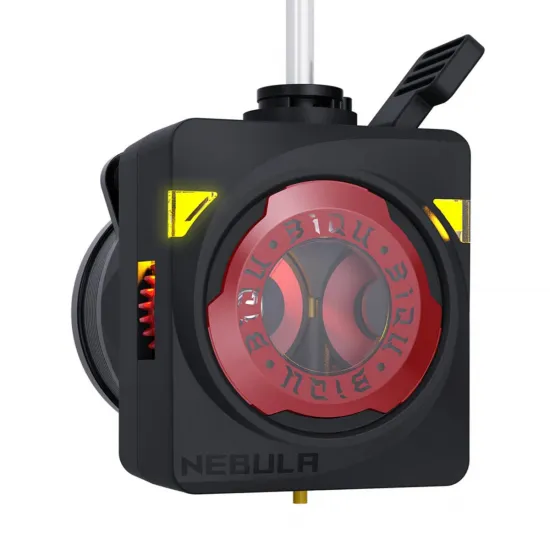
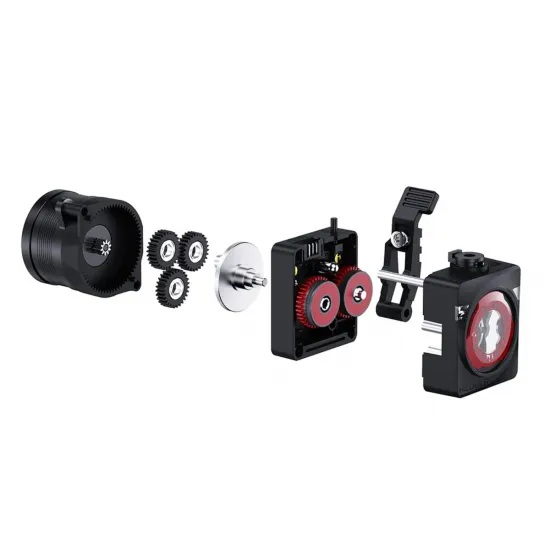
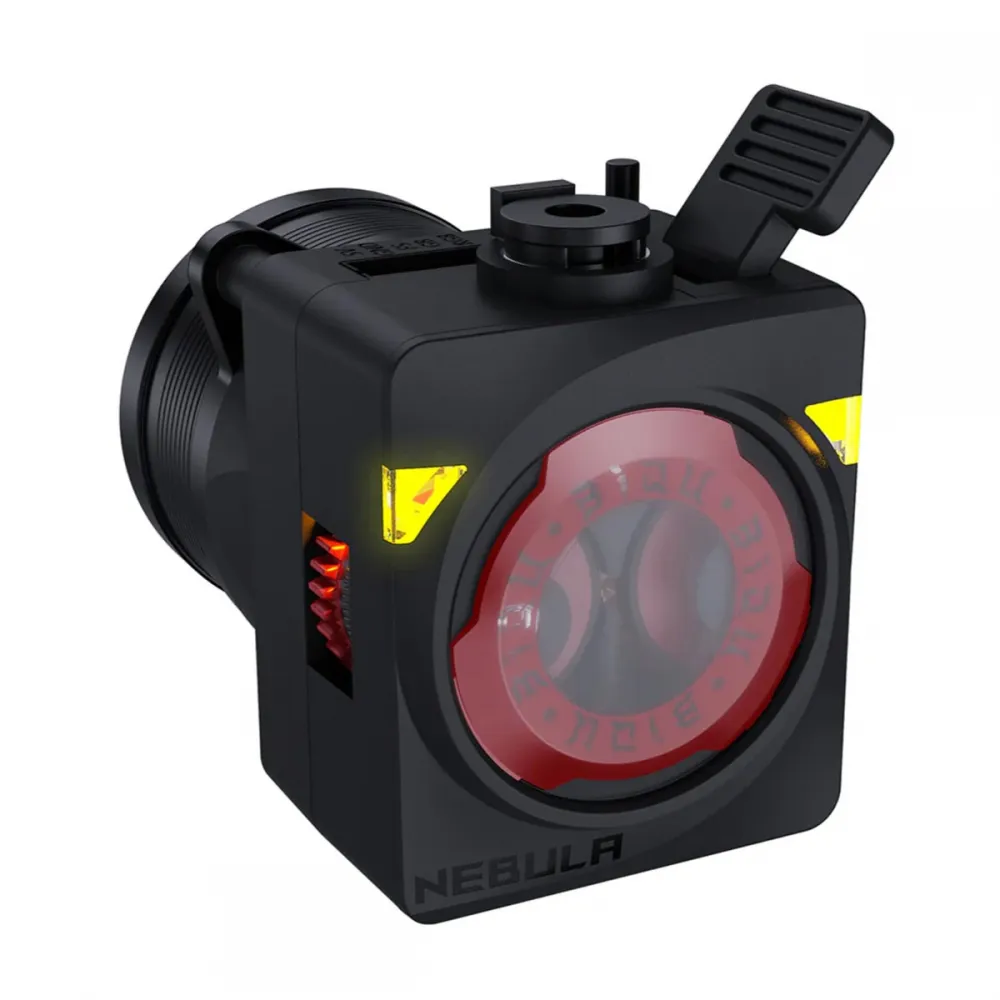
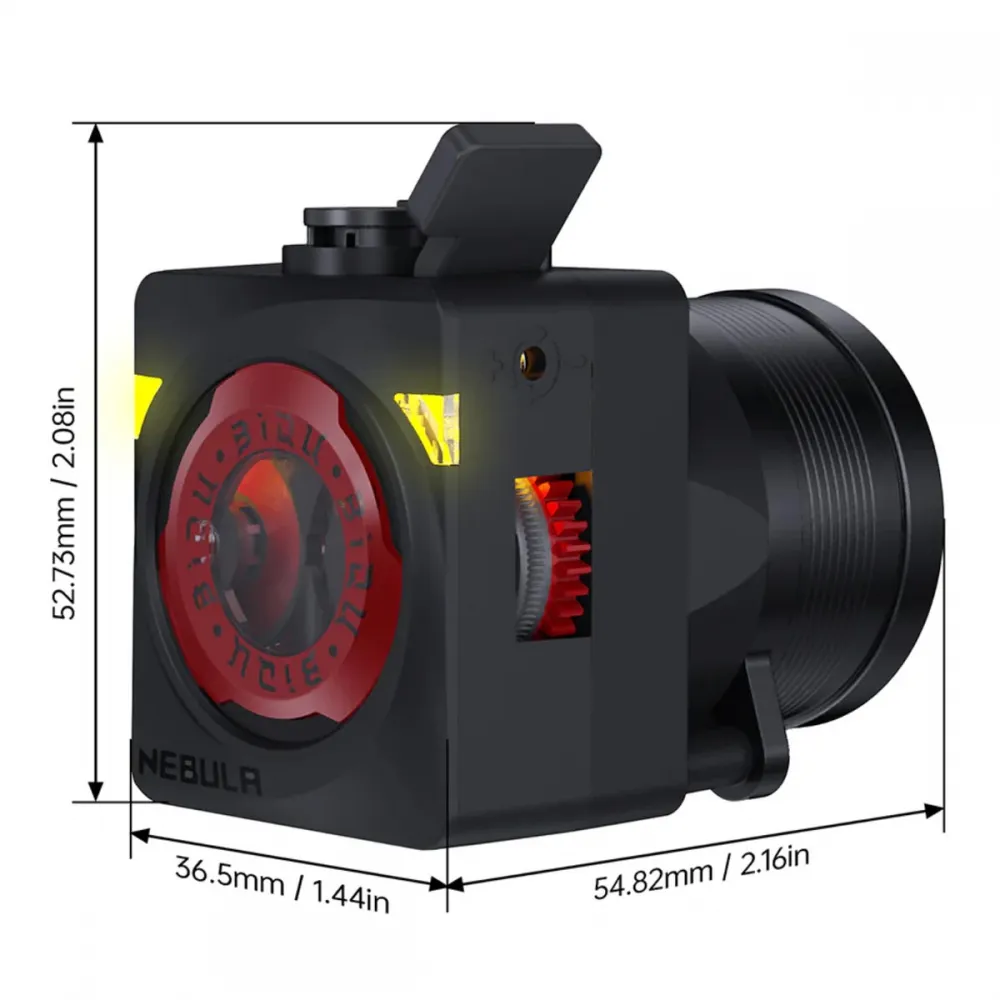
The BIQU Nebula is a compact 143 g direct-drive extruder combining an 11.25:1 planetary reduction, dual drive gears, a filament sensor, programmable button and RGB lighting. It targets lightweight CoreXY toolheads and DIY builds that need controlled filament feed together with assisted loading and unloading functions.
Its housing is injection-moulded POM, while the clear magnetic front cover makes inspection and maintenance easier. A side adjustment changes drive-gear pressure for different materials; it can handle rigid and flexible filament when the path, hotend and profile are properly prepared.
Technical specifications
| Feature | Value |
|---|---|
| Extrusion system | Dual drive gears with planetary reduction |
| Gear ratio | 11.25:1 |
| Filament | 1.75 mm; declared accepted tolerance ±0.05 mm |
| Declared maximum force | 6 kg, dependent on filament and adjustment |
| Assembly weight | 143 g |
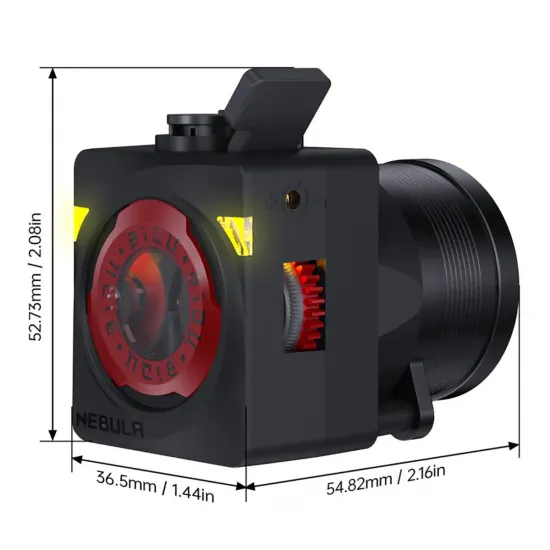
| Overall dimensions | 52.73 × 36.5 × 54.82 mm |
| Motor | Two-phase, 1.8°, 1.0 A rated current |
| Recommended starting current | 650 mA in the current official wiki; tune for driver, cooling and test result |
| Accessory supply | 5 V for sensor, button and RGB through the marked connector; verify pinout before connection |
Sensor, button and lighting
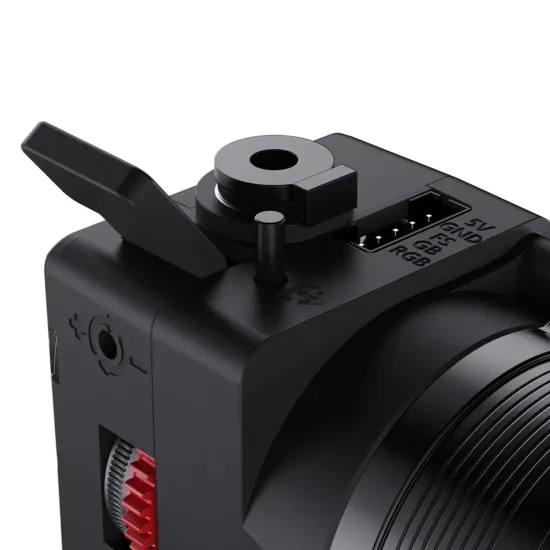
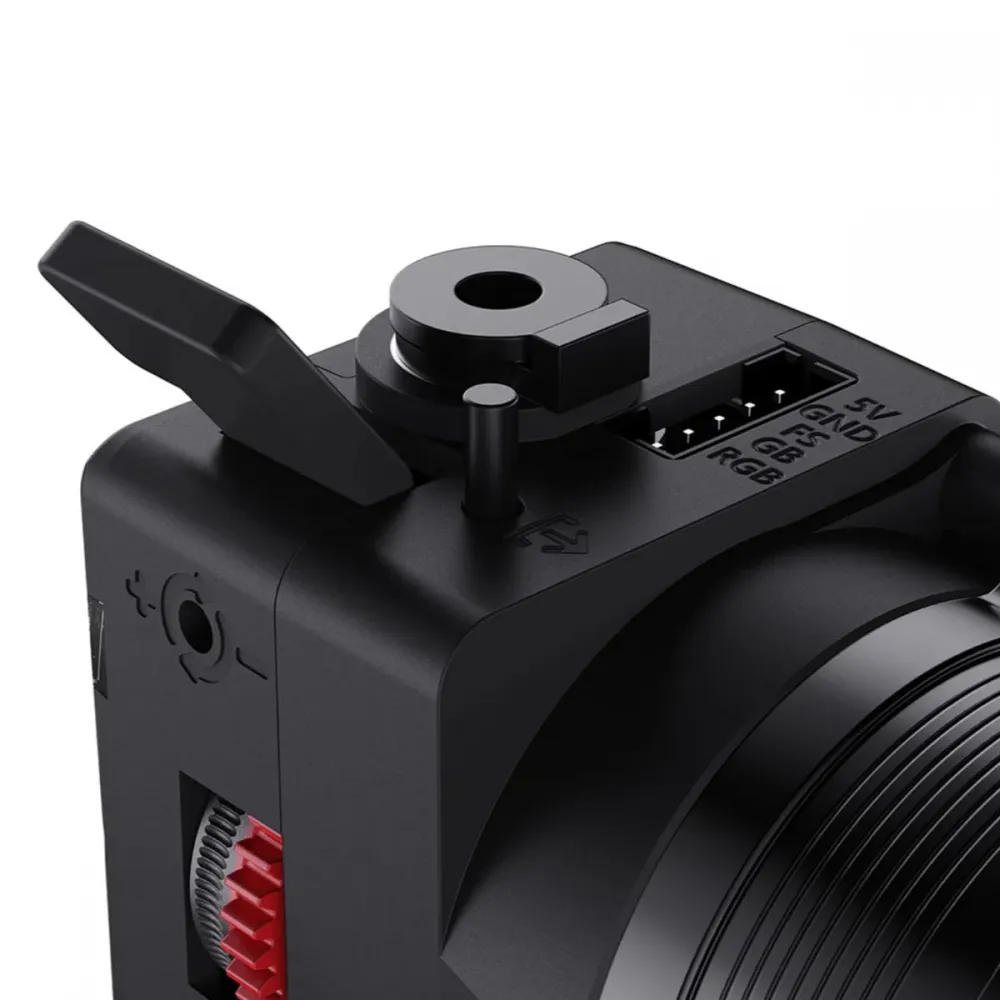
The top connector combines five clearly marked signals:
- 5V: 5 V supply.
- GND: ground.
- FS: filament-sensor output; high with no filament and low when filament is detected.
- GB: button output; high when released and low when pressed.
- RGB: data input for the two integrated addressable LEDs.
Do not wire this connector by cable colour alone. Check the Nebula markings, the mainboard or toolboard pinout and the actual voltage of every pin. Signals require suitable GPIOs and the accessory supply is 5 V.
Filament pressure adjustment
The screw marked + and - changes gear spacing and pressure. Turning anticlockwise towards - reduces spacing and increases pressure, a usual starting direction for rigid filament. Turning clockwise towards + increases spacing and reduces pressure, which may help with soft materials.
Make small changes and inspect the tooth marks. Excessive pressure can deform filament, increase drag or damage the mechanism; insufficient pressure encourages slipping. Never force the screw beyond its stop.
Klipper setup
BIGTREETECH provides this starting point:
[extruder]
rotation_distance: 51.75
gear_ratio: 11.25:1
max_extrude_only_distance: 200.0
These values describe the mechanism, but rotation_distance must be calibrated on the received unit with a measured extrusion test. Keep the 11.25:1 ratio unless the gear train changes. Start driver tuning from the current 650 mA recommendation and monitor temperature, force and skipped steps.
The official file also contains load/unload macros, sensor, button and RGB examples. Its pin names apply only to the example toolboard: replace every pin with the correct one for your board. The published logic treats `FS` as active low, `GB` as active when pressed and the two NeoPixels as GRB. Pausing during a print requires a working pause/resume configuration.
Marlin setup
The motor and dual-drive mechanism can be used with Marlin as a geared extruder. From the official mechanical values, a 1.8° motor at 16 microsteps gives an approximate starting point of 696 steps/mm. This is not a final value: enter it as the extruder steps, extrude a measured length at printing temperature and calibrate the result.
To use `FS`, choose a compatible runout-sensor pin and set inversion for its output: high without filament and low with filament. The button and RGB require free pins and features supported by the Marlin build in use; there is no universal official Nebula profile for every controller.
Mechanical compatibility
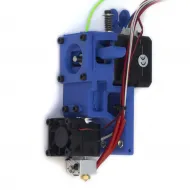
The manufacturer publishes models and adapters for Voron StealthBurner, EVA 3 and RatRig. This confirms that designed integrations exist for these families, but it does not make the Nebula a drop-in replacement in every printer. The correct part must be printed or machined, and space, mounting, hotend position, cooling, probe and cable travel must all be checked.
For StealthBurner, the official repository includes an EBB36 Gen2 integration. It can be paired with the BIGTREETECH EBB36 Gen2 when the matching mount is used and every pin is adapted to the actual board revision.
The Nebula is an extruder, not a complete hotend. Check the CAD adapter, nozzle height and cooling before choosing a hotend. Do not assume automatic compatibility with probes, cutters or multi-material systems.
Materials
Dual drive and adjustable pressure support PLA, PETG, ABS, ASA and many 1.75 mm flexible filaments. Results depend on hardness, constrained filament path, hotend and profile. For very soft TPU, reduce pressure, minimise gaps and begin with conservative speed and retraction.
Package contents
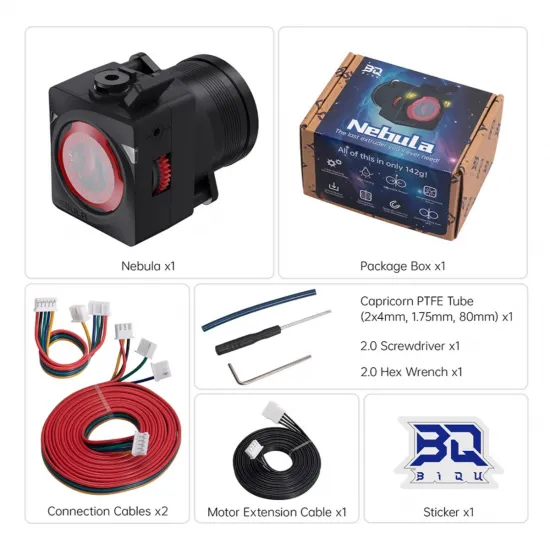
- 1 × assembled BIQU Nebula extruder.
- 2 × connection cable sets.
- 1 × motor extension cable.
- Capricorn PTFE tubes supplied by the manufacturer.
- 1 × 2.0 mm screwdriver and 1 × 2.0 mm hex key.
- 1 × decorative sticker.
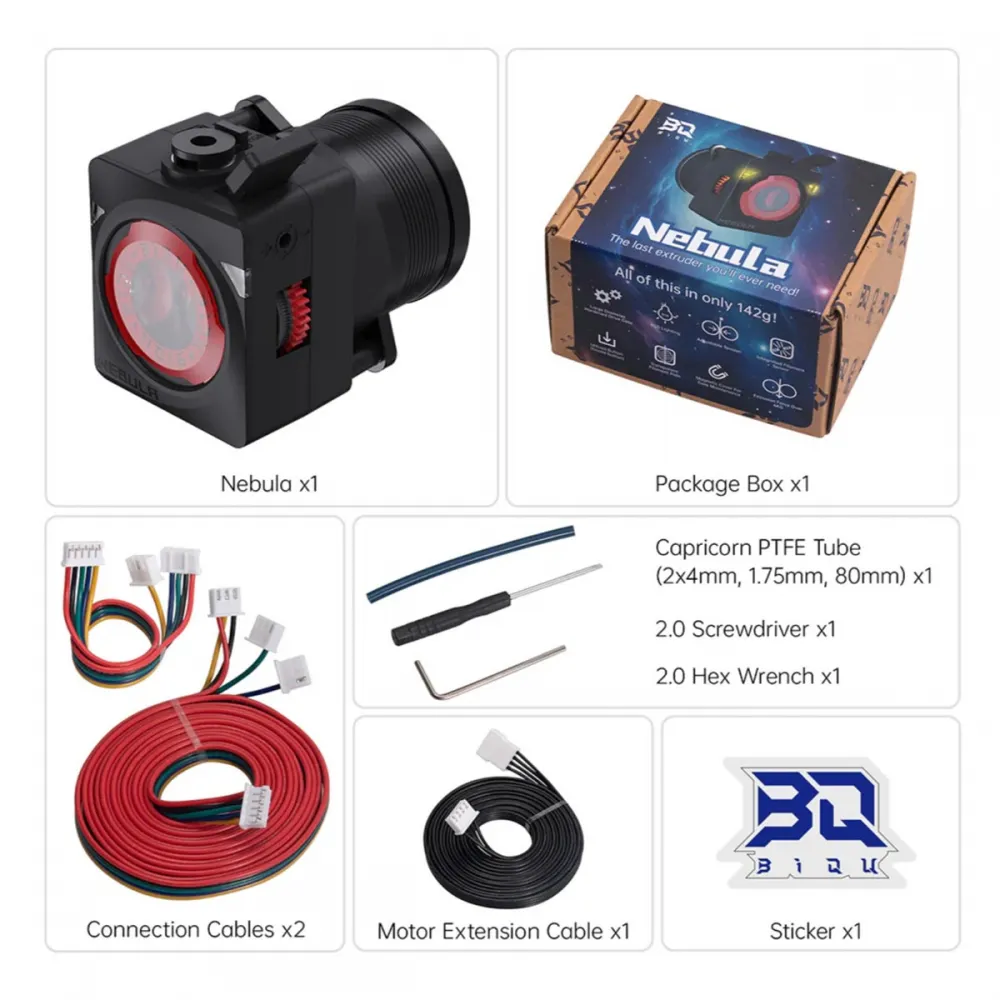
Hotend, fans, probe, toolboard and printed adapters are not included unless expressly stated for the purchased option.
This product is for you if
- You want a lightweight direct-drive extruder with high reduction and dual drive.
- You plan to integrate a filament sensor, button and RGB with Klipper.
- Your project has a validated Nebula mount and you can adapt wiring and firmware.
This product is not for you if
- You need a drop-in replacement that keeps the original mount and wiring of a closed printer.
- You expect a complete assembly including hotend, fans and probe.
- You cannot verify pinout, voltage, driver current and extruder calibration.