

- Stock: 3
- Model: H2 V2X

BIQU H2 V2X 7:1 Direct Extruder for Voron StealthBurner and EVA 3
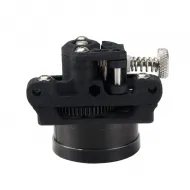
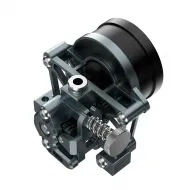
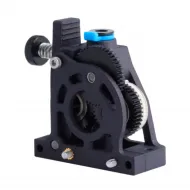
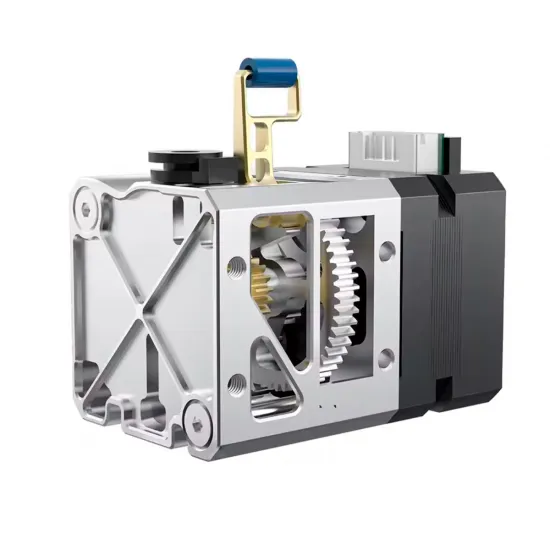
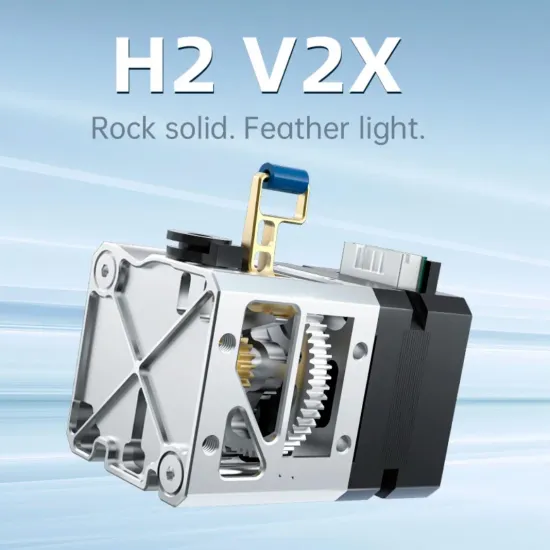
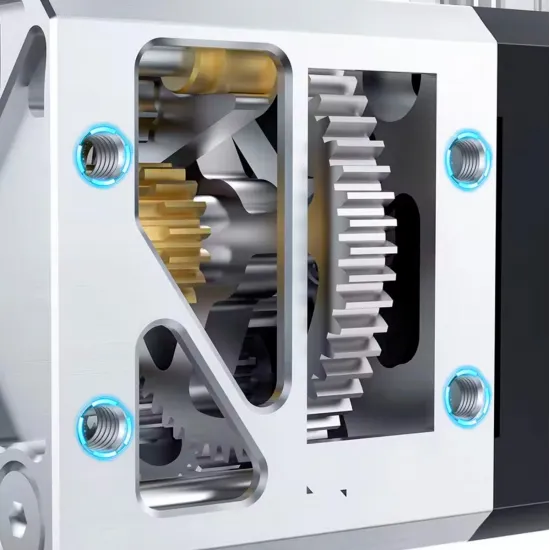
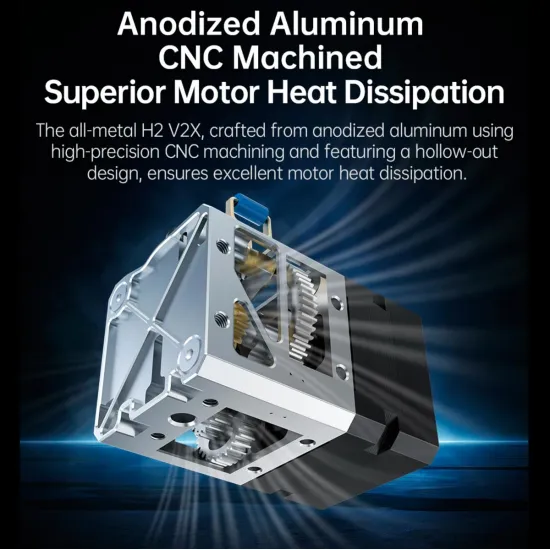
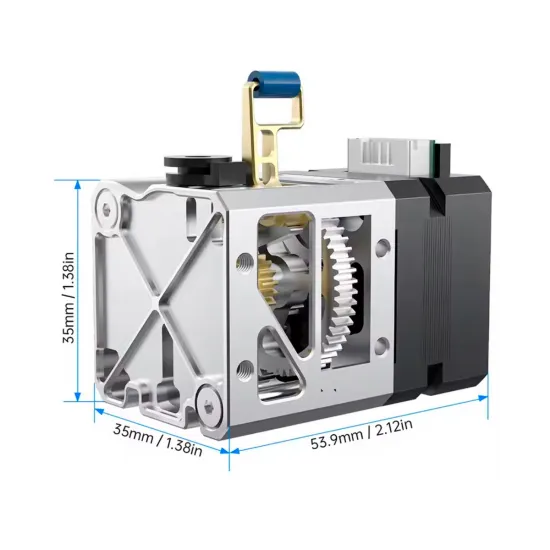
The BIQU H2 V2X is a lightweight, compact direct extruder designed for modular toolheads such as Voron StealthBurner and EVA 3. It combines the motor, 7:1 gearbox and dual drive gears in a 145 g machined aluminium body, reducing moving mass while maintaining firm filament control.
This product is the extruder module with its integrated motor: it is not a complete hotend and does not by itself define a nozzle, heater, temperature sensor or printing temperature limit. This separation lets the builder choose an appropriate hotend, but it also makes full mechanical and electrical verification essential.
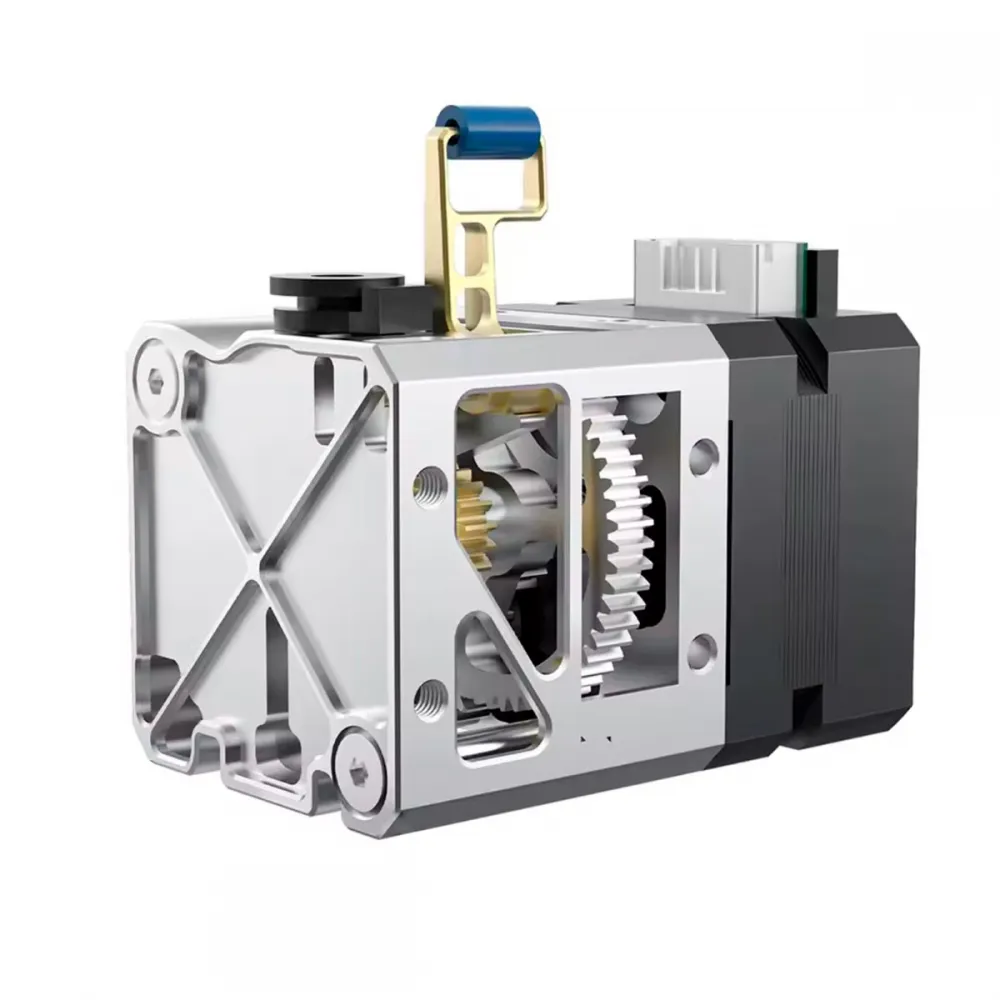
Main specifications
| System | Direct extrusion with hardened dual drive gears |
|---|---|
| Filament | 1.75 mm; declared accepted tolerance ±0.05 mm |
| Gear ratio | 7:1 |
| Advertised maximum extrusion force | 7.5 kg, dependent on filament and adjustment |
| Declared weight | 145 g |
| Body | CNC-machined anodised 6061-T6 aluminium |
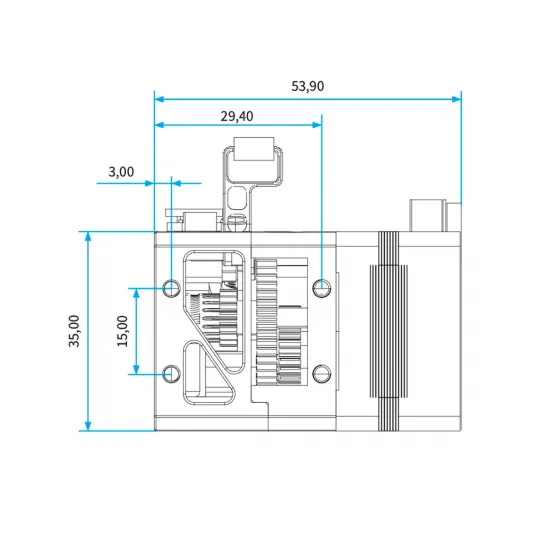
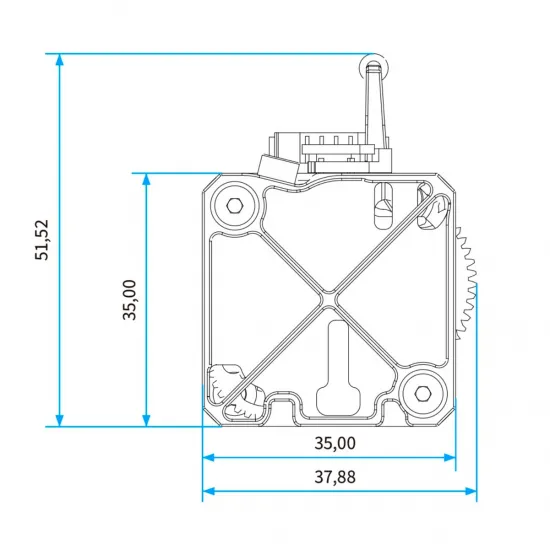
| Maximum dimensions | 53.9 × 37.88 × 51.52 mm |
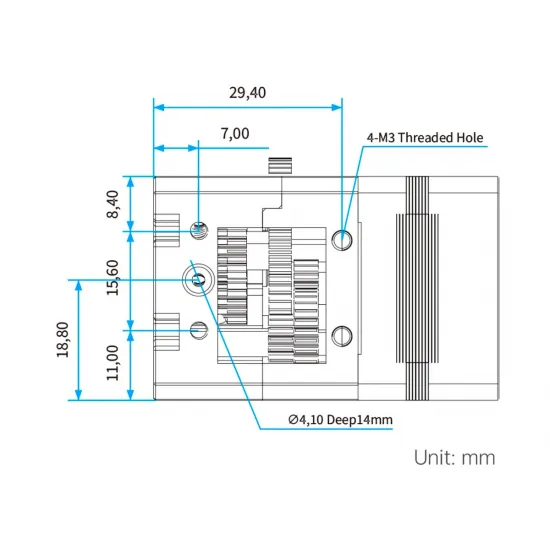
| Documented mounting | 4 × M3 threaded holes; 29.40 × 15.00 mm centre pattern |
| Recommended starting current | 800 mA, interpreted for the driver and firmware in use |
The 7.5 kg figure is the manufacturer’s advertised maximum force, not a guaranteed flow rate. Achievable speed also depends on the hotend, nozzle, material, temperature, drive tension and calibration.
Dimensions and mounting
The maximum envelope is 53.9 × 37.88 × 51.52 mm and the front body has a 35 × 35 mm reference size. The official drawing shows four M3 threaded holes, with 29.40 mm between columns and 15.00 mm between rows, plus a Ø4.10 mm hole with a depth of 14 mm. Always check these dimensions against the toolhead CAD: multiple mounting points do not make this a universal replacement.
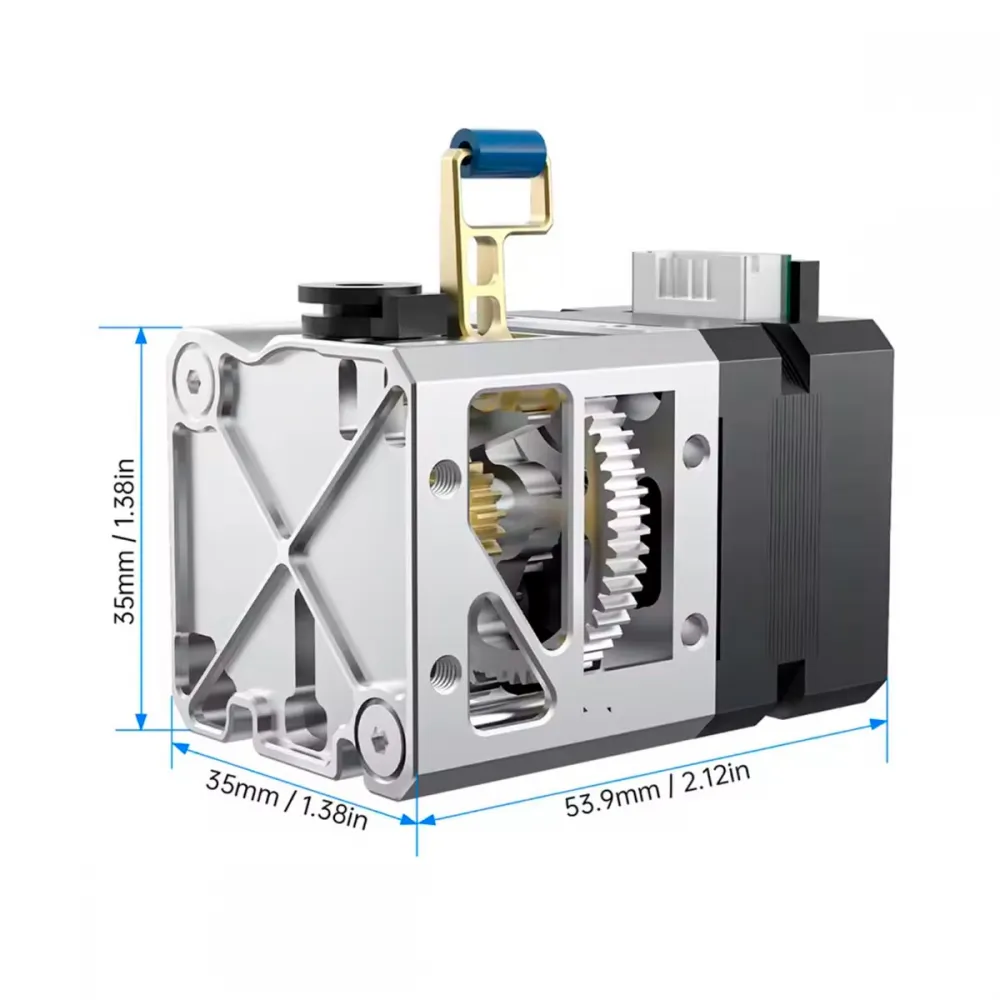
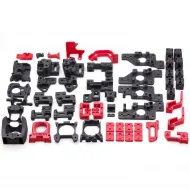
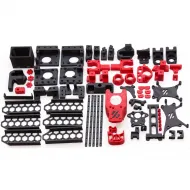
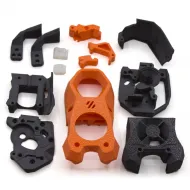
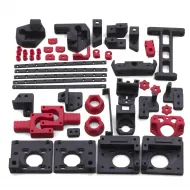
BIQU publishes integration files for StealthBurner with either a drag chain or an umbilical, plus an EVA 3 assembly. This supports builds based on Voron 2.4, Voron Trident and other CoreXY machines with the appropriate adaptation, but it does not guarantee a direct fit on every revision. Check the printed parts, hotend and printhead, nozzle position, fans, probe, toolboard, wiring and travel limits.
Reference STEP models and printable parts are available in the official BIQU H2 V2X repository. Use the variant that matches your cable routing and inspect the complete assembly before producing the final parts.
Choosing a hotend
StealthBurner separates the extruder, hotend printhead and cooling assembly. The H2 V2X must therefore be paired with the correct printhead for the chosen hotend. The Dragon V2 Standard Flow and Dragon V2 High Flow, for example, use the P-DRG geometry documented for StealthBurner; the P-DRG geometry, H2 V2X integration files and actual toolhead revision must still be cross-checked.
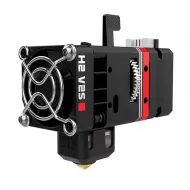
If you need a compact assembly with an integrated extruder and hotend, see the BIQU H2 V2S. The H2 V2X and H2 V2S use different architectures, dimensions and replacement parts and should not be treated as interchangeable versions.
Filament loading and tension
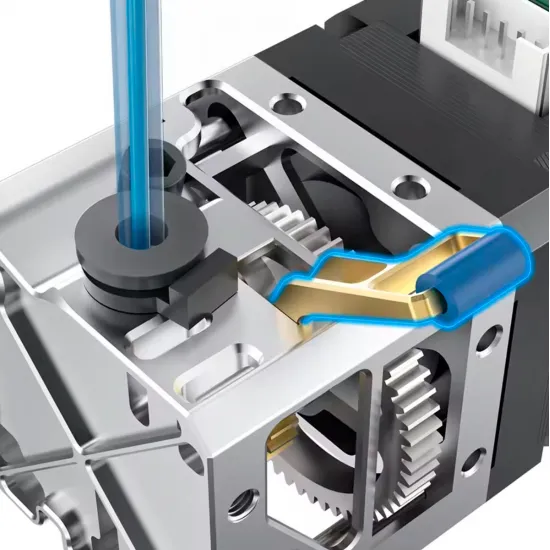
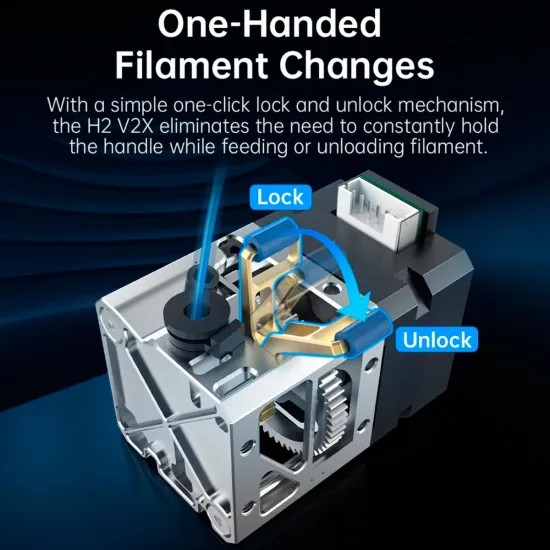
The upper lever can lock or release the filament path, making one-handed loading and unloading easier. Turn the tensioner screw counter-clockwise to increase drive pressure and clockwise to reduce it. Do not force the screw after it reaches the end of its travel.
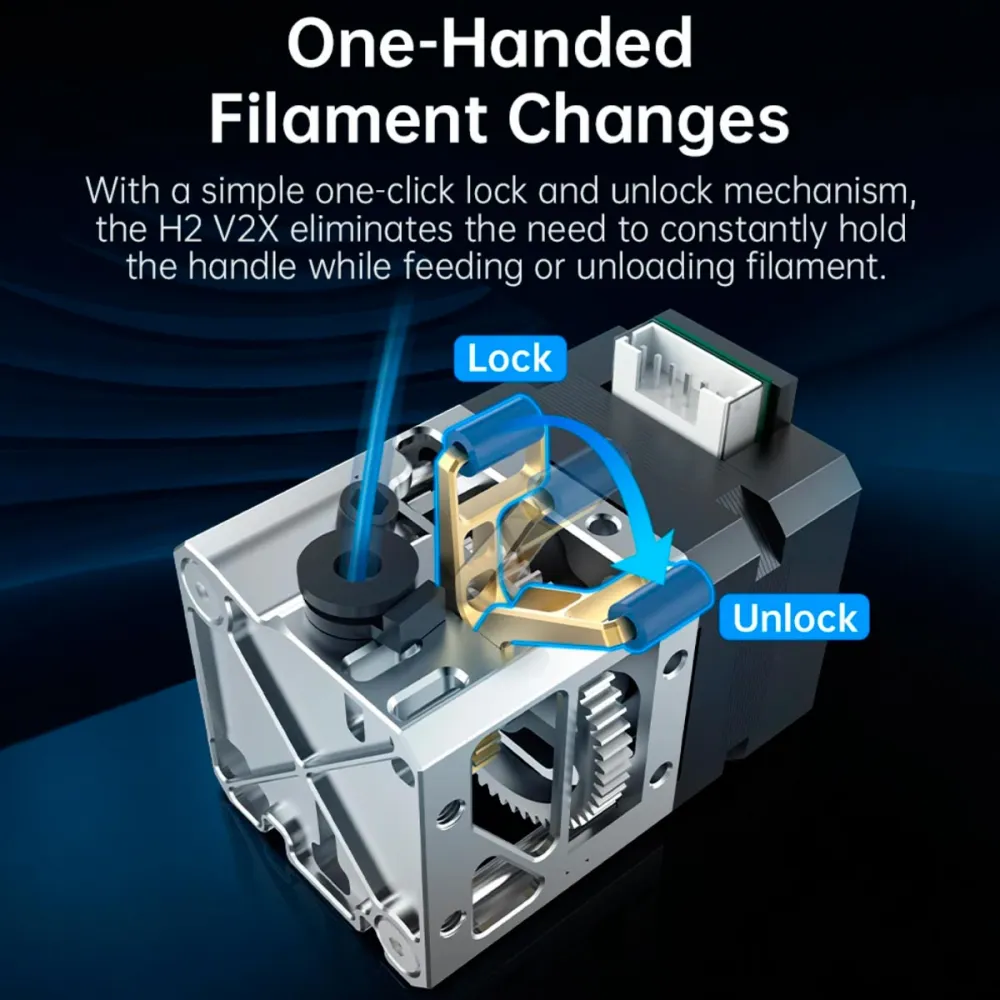
Begin with moderate pressure: too little encourages slipping, while excessive pressure can mark or deform the filament. For TPU and other flexible materials, use a well-guided path, conservative speed and short retractions, then tune each parameter on the actual machine.
Motor and firmware setup
The integrated motor is a two-phase stepper. The manufacturer lists 3.45 V as the winding rated voltage and 1.5 A per phase as rated current, but recommends 800 mA as the starting setting. Do not power the motor directly at 3.45 V: it must be driven by a current-regulated stepper driver. Confirm how your driver or firmware expresses current before entering the value.
| Firmware | Official starting point | Required check |
|---|---|---|
| Marlin | M92 E932 at 16 microsteps | Confirm the selected extruder, measure actual feed and save with M500 only when appropriate. |
| Klipper | rotation_distance: 3.433 under [extruder] | Calibrate filament feed. Do not automatically add another gear_ratio: 7:1 on top of this value. |
| RepRapFirmware | M92 E932 when the extruder uses 16 microsteps | Check the drive, M350, current and actual feed before retaining it in config.g. |
These are initial values. First verify coil pairs and motor direction with a short move, then calibrate the driven filament length and monitor motor temperature. Tune retraction and Linear Advance or Pressure Advance only after basic extrusion is correct.
The manual lists individual limits of 130 °C for the motor and 100 °C for the bearings. These are not printing temperatures and do not authorise the hotend to operate at either value: the complete toolhead limit depends on the selected hotend, sensor, heater, cooling, wiring and firmware.
It is for you if
- You need a lightweight direct extruder for a correctly adapted StealthBurner or EVA 3 toolhead.
- You prefer to select the hotend separately and keep a modular toolhead architecture.
- You will print the correct parts, inspect the CAD and calibrate the motor, extrusion, retraction and pressure compensation.
It is not for you if
- You need a complete hotend with nozzle, heater, thermistor and fans included.
- You need a universal Clockwork 2 replacement or a direct fit without printed parts and verification.
- You intend to replace its motor with a standard NEMA 14: the manufacturer explicitly states that it is not compatible.