-550x550.webp "PETG Filament - 1.75mm - GST3D")


-80x80.webp "PETG Filament - 1.75mm - GST3D")
- Stock: 10
- Model: PETG GST3D

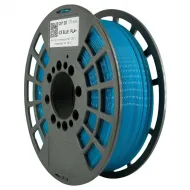
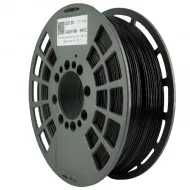
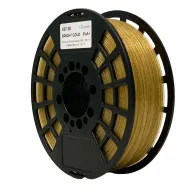
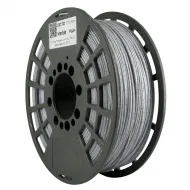
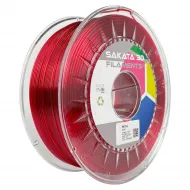
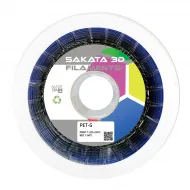
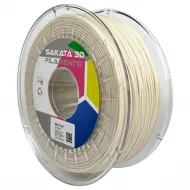
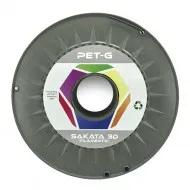
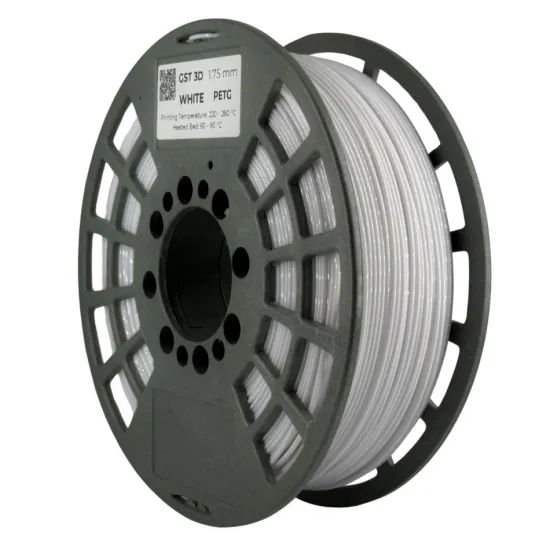
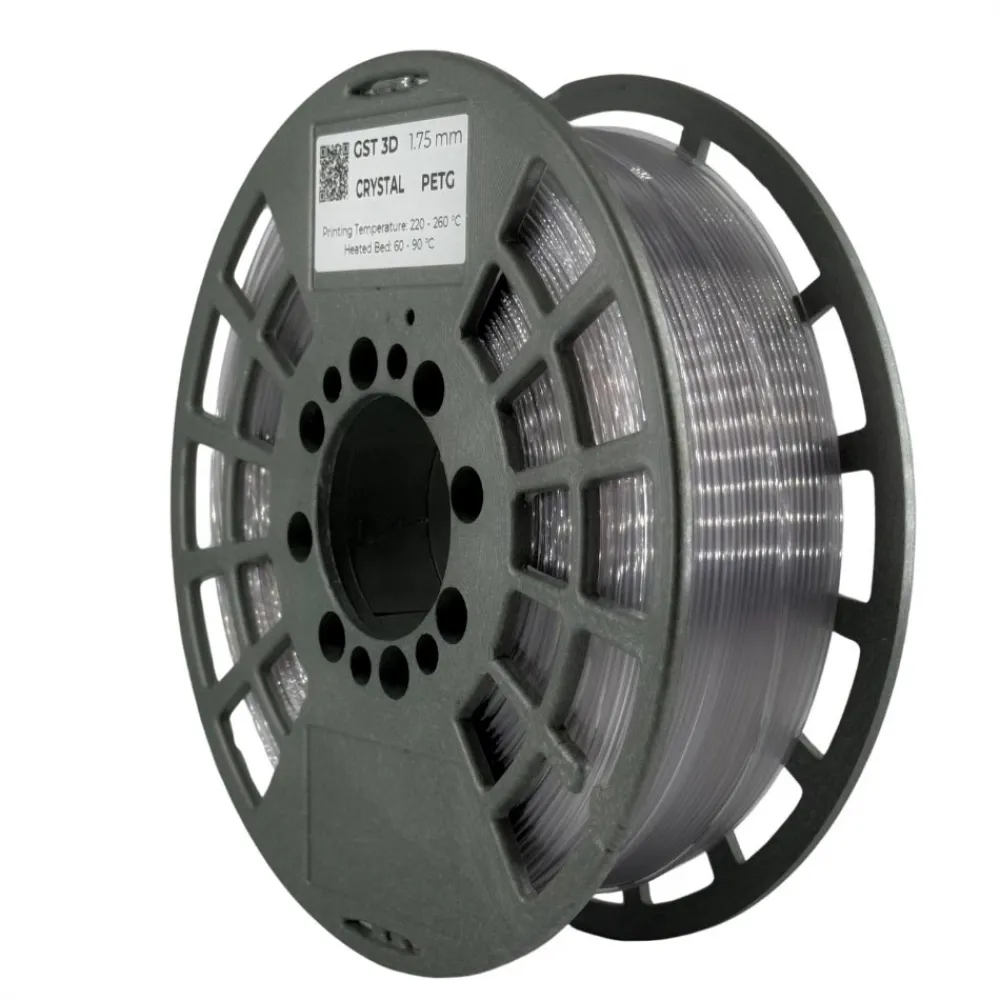
GST3D 1.75 mm PETG is a general-purpose filament for functional parts, enclosures, brackets, jigs and prototypes that need greater toughness and layer bonding than a typical PLA part. It is supplied on a 1 kg spool and is available in white, black or crystal.
It has a slightly glossy finish and little tendency to warp when first-layer setup and temperature are correct. Like any PETG, however, it needs its own profile: copying PLA settings directly commonly leads to stringing, excessive adhesion or an uneven surface.
Key features
- Material: PETG, glycol-modified polyethylene terephthalate.
- Diameter: 1.75 mm with a declared tolerance of ±0.02 mm.
- Net weight: 1 kg.
- Declared approximate density: 1.27 g/cm³.
- Slightly glossy finish and good interlayer adhesion.
- Available colours: white, black and crystal.
- Vacuum-packed spool.
Starting print settings
These values are a starting point. The label on the spool received and tests on the actual printer should take priority.
| Setting | Recommended starting point |
|---|---|
| Nozzle | 230-240°C |
| Heated bed | 70-80°C |
| Part-cooling fan | 30-50%; tune for overhangs and layer bonding |
| Recommended nozzle | 0.4 mm or larger |
GST3D publishes wider operating ranges on some pages and spool labels. Start within the values above, print a temperature tower and change the profile in small steps. Excessive temperature generally increases stringing, while too little heat can limit flow and layer bonding.
Fast printing: flow matters more than mm/s alone
The manufacturer markets this PETG for high print speeds, but linear speed alone cannot guarantee a result. The true limit depends on the volumetric flow the hotend can melt, as well as nozzle diameter, layer height and width, temperature, cooling and geometry.
To increase productivity, tune temperature and flow first, raise speed progressively and watch for loss of gloss, under-extrusion or weaker layer bonding. An outer wall may need to run far slower than infill, even within the same model.
Bed adhesion
- Clean the build surface and set an even first layer without excessively squashing PETG.
- On smooth PEI, glass or other surfaces where PETG may bond too strongly, a thin adhesive film can also serve as a release layer.
- Allow the bed to cool before removing the part.
- For controlled application, use 3DLAC Plus or 3DLAC Stick, while following the build-surface instructions.
Moisture, retraction and finish
Keep the spool sealed with desiccant when not in use. If crackling, bubbles, a rough surface or new stringing appear, moisture may be responsible; dry the material with a PETG-suitable method and recalibrate before increasing retraction.
Retraction depends greatly on whether the printer has direct or Bowden extrusion. Tune distance and speed with a short test: excessive retraction can cause jams, and increasing it will not correct wet filament.
Crystal colour and transparency
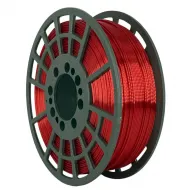
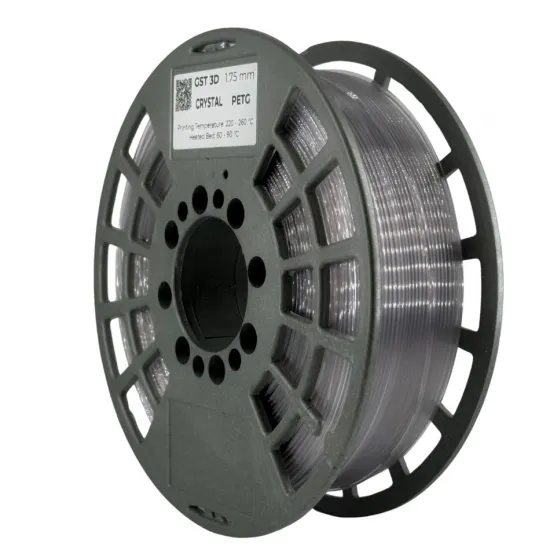
The crystal option is translucent and can produce light-transmitting or diffusing parts, but a normal FDM print will not be optically transparent. Wall thickness, infill, orientation, flow and layer lines all strongly affect the result.
For a wider choice of translucent colours, see WINKLE Krystal PETG. For a broader range of conventional PETG colours and 300 g or 1 kg formats, compare it with standard WINKLE PETG.
Compatibility
It can be used in 1.75 mm FDM/FFF printers with a heated bed and a hotend able to maintain the required temperature. This includes common configurations of HTA3D HPRO, Creality Ender 3, Prusa MK3/MK4, Bambu Lab A1/P1/X1 and Voron, provided the exact machine, build surface and profile are prepared for PETG.
For enclosed or multi-material feeders, also check spool dimensions, filament path and system limitations. Diameter compatibility does not replace these checks.
This is for you if
- You want a 1.75 mm PETG for general-purpose functional parts.
- You need a 1 kg spool in white, black or crystal.
- Your printer has a heated bed and you can tune a PETG profile.
This is not for you if
- You need true optical transparency or a completely layer-free surface.
- You need a flexible, fibre-reinforced or specifically certified material.
- The part has a structural, food-contact, medical, electrical or safety function without your own testing and applicable documentation.