





- Stock: 106
- Model: PETG-SAKATA3D-1.75mm

Type:

PETG

PETG Transition

Recycled PETG

PETG CF-15
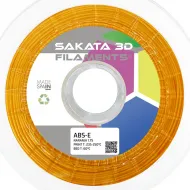
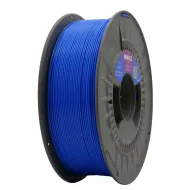
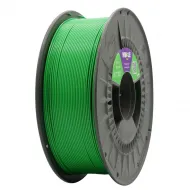
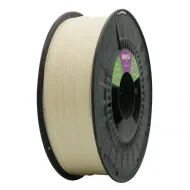
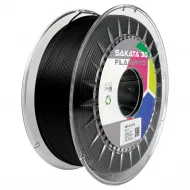
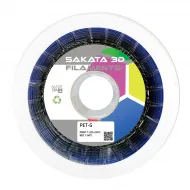
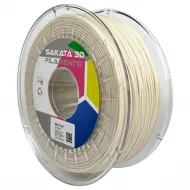
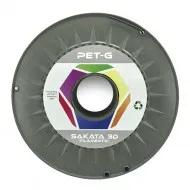
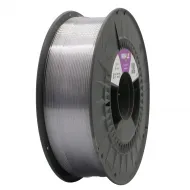
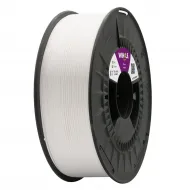
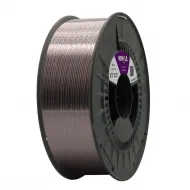
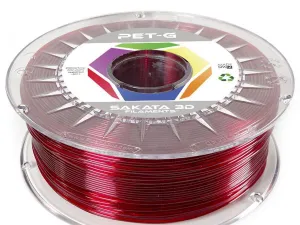
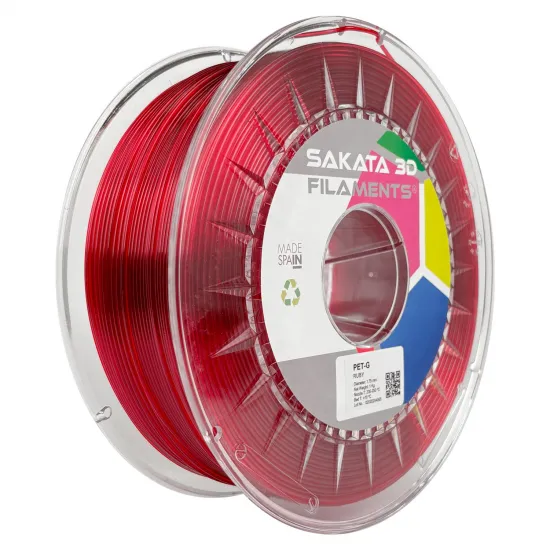
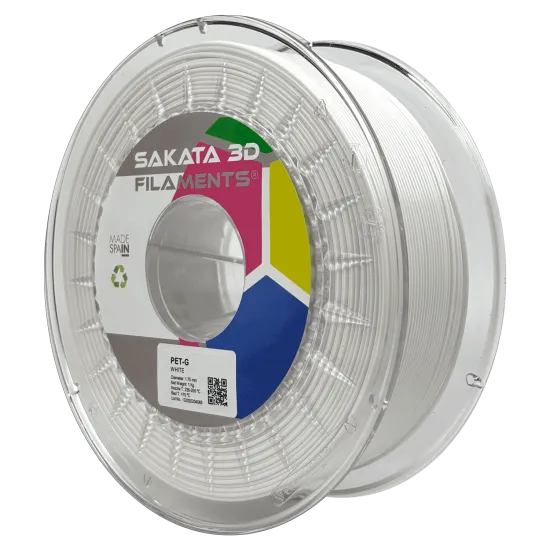
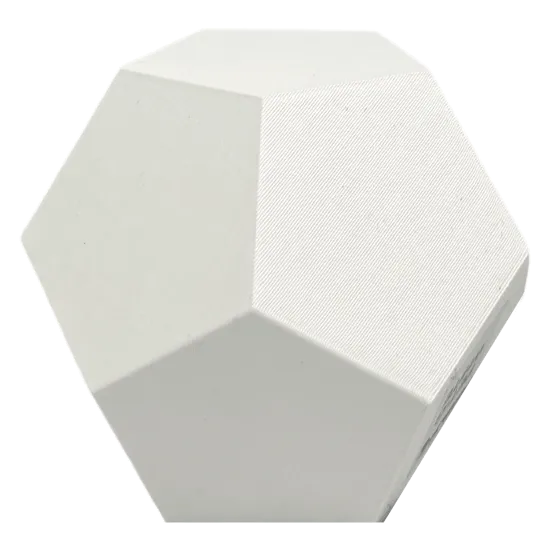
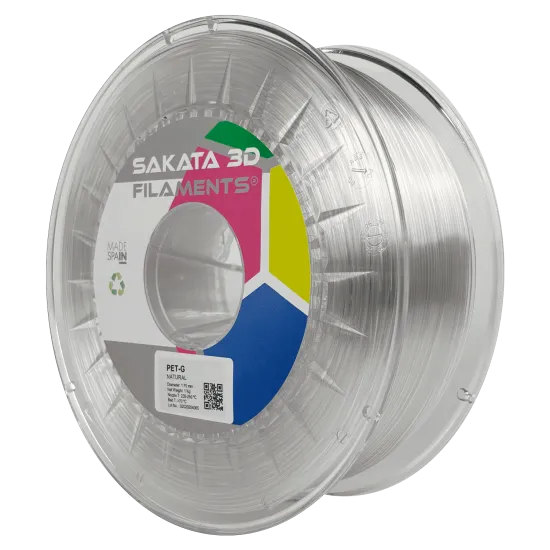
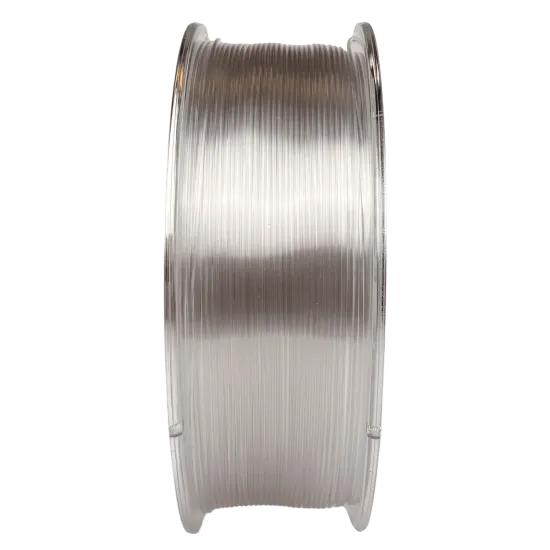
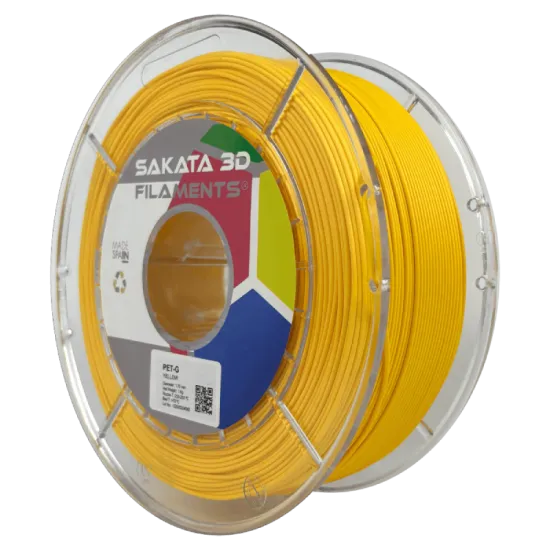
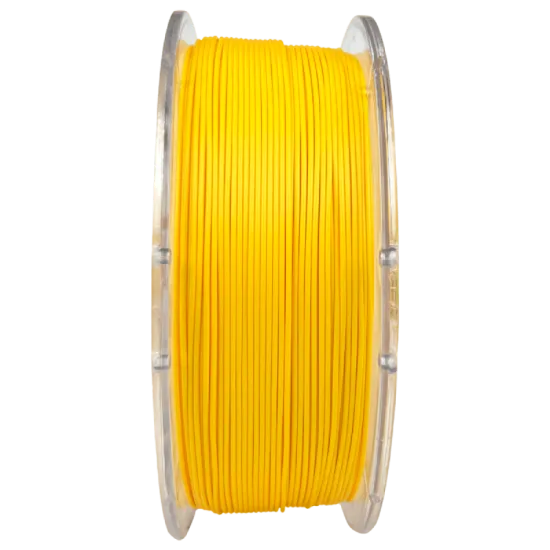
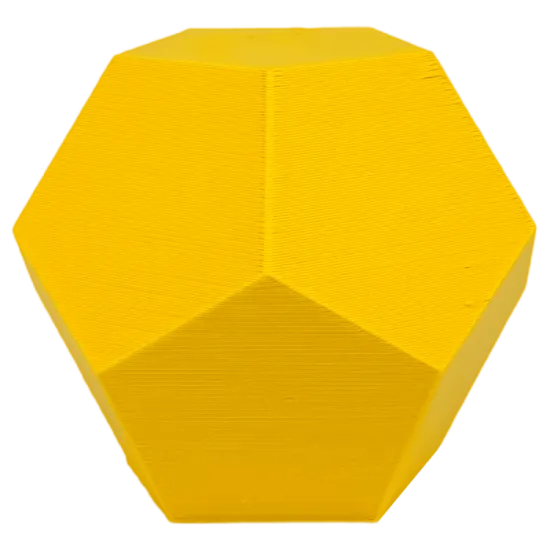
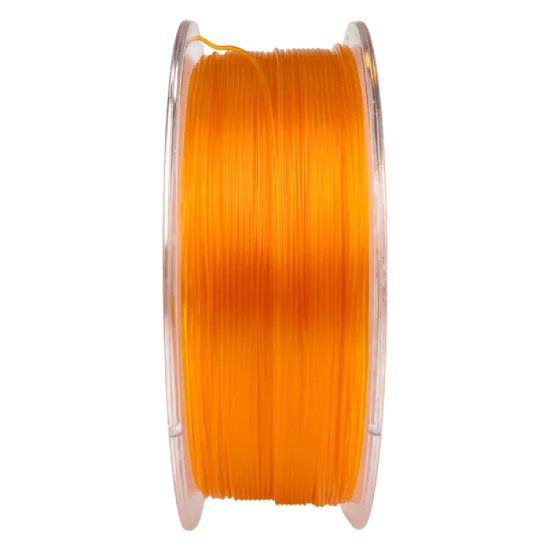
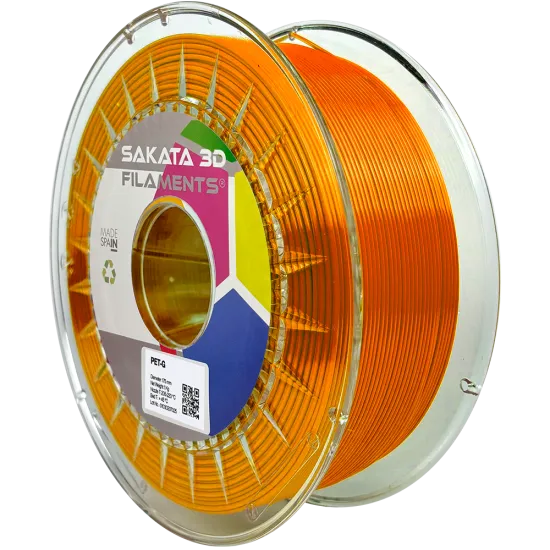
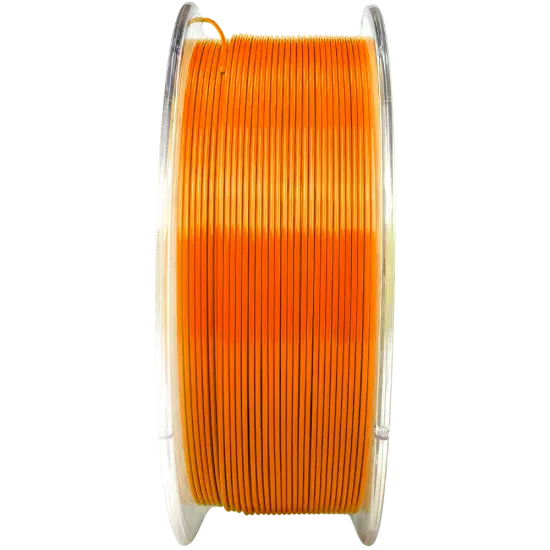
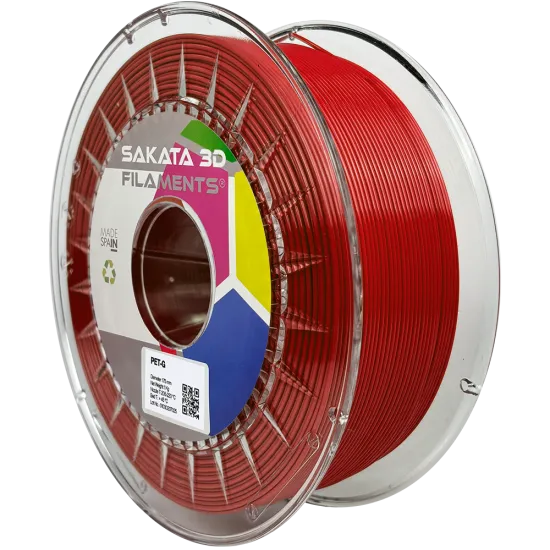
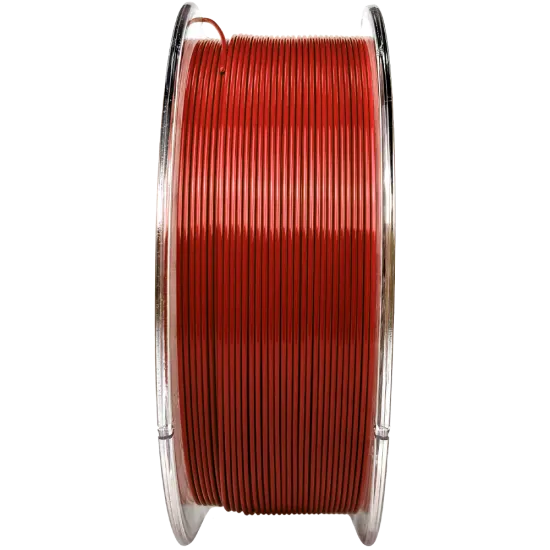
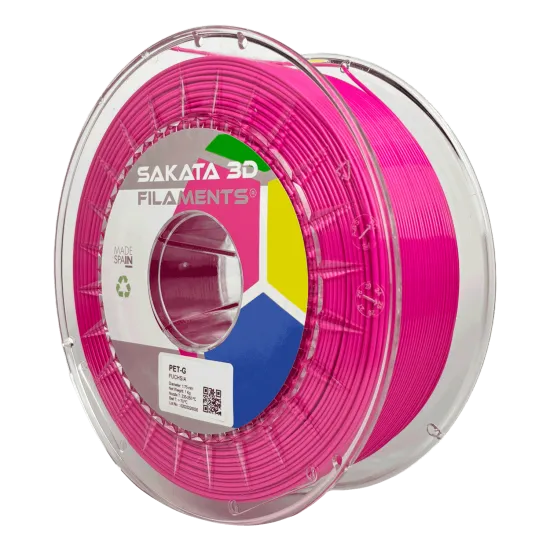
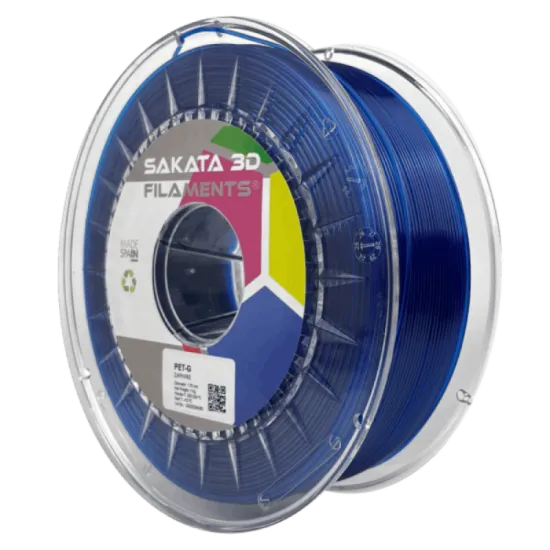
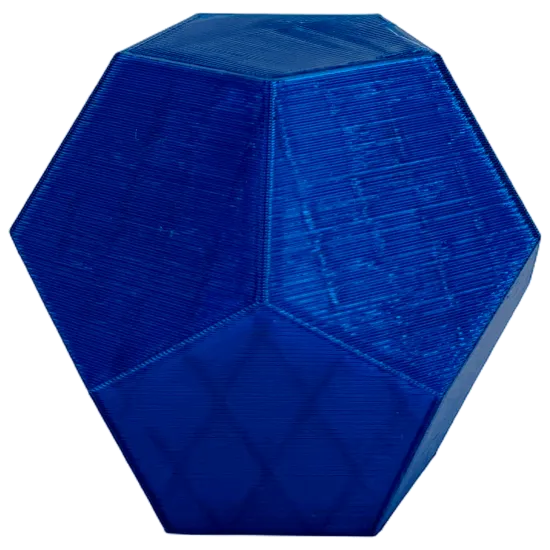
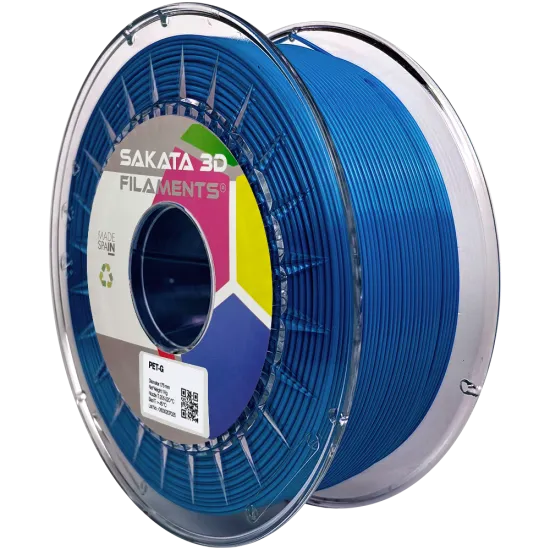
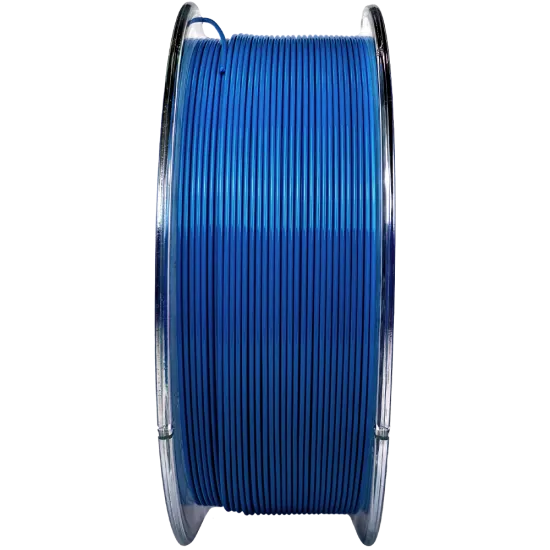
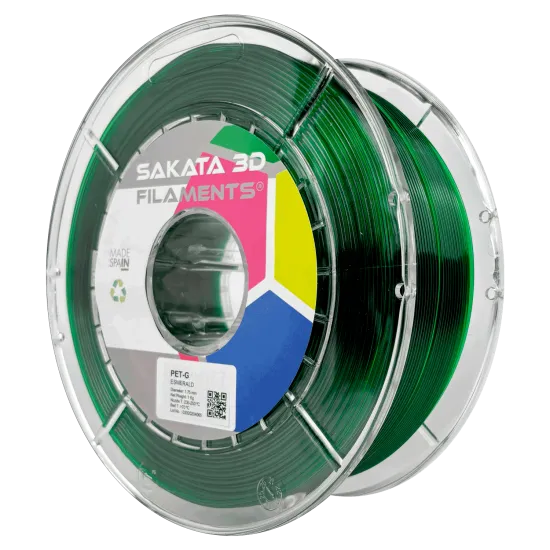
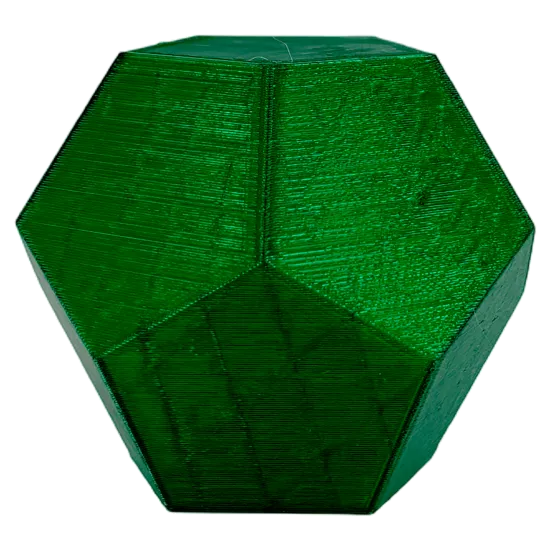
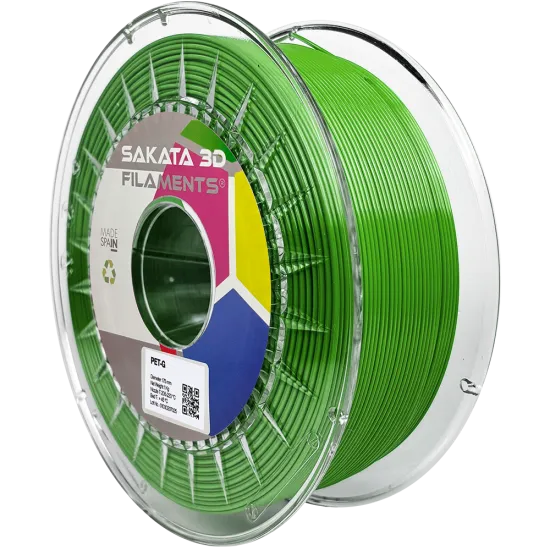
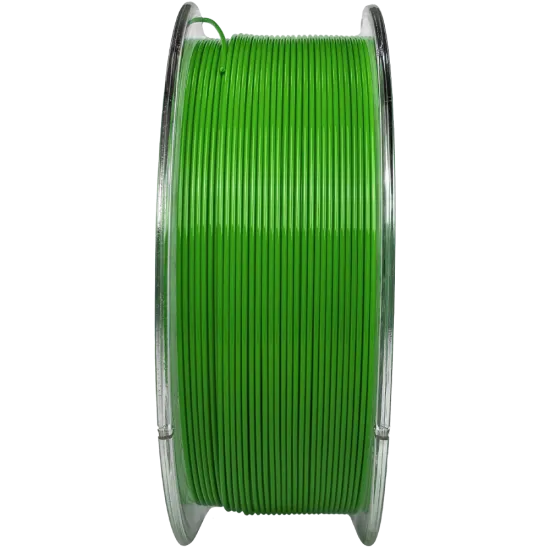
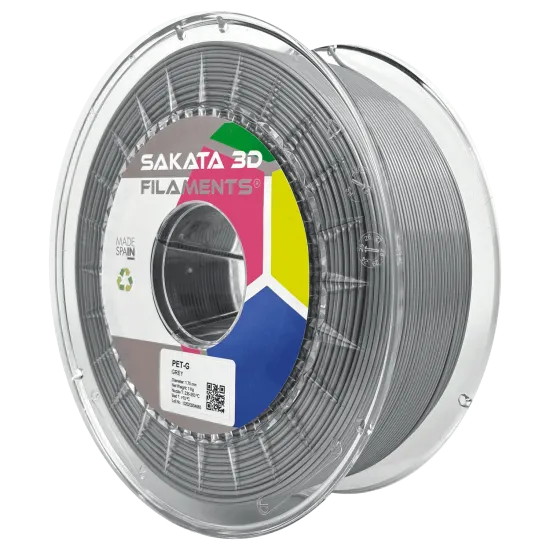
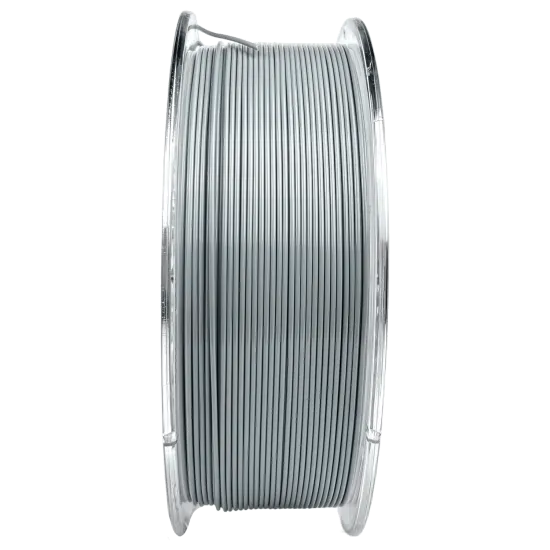
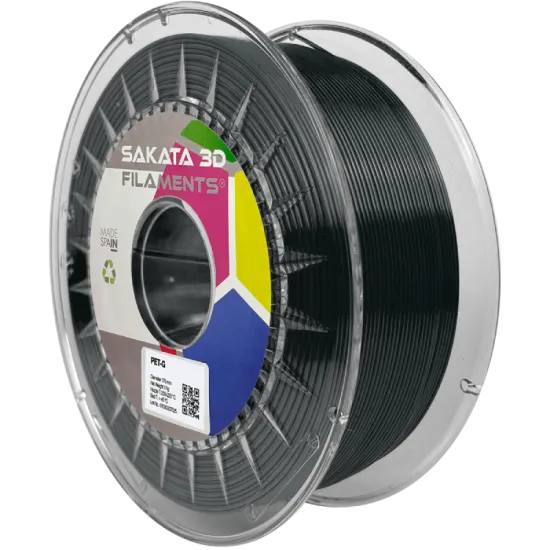
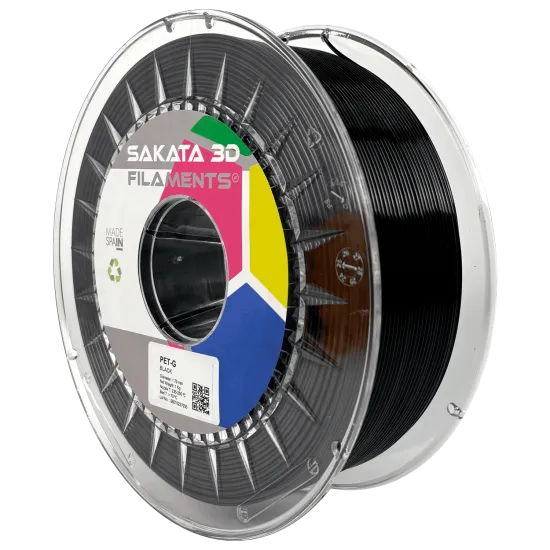
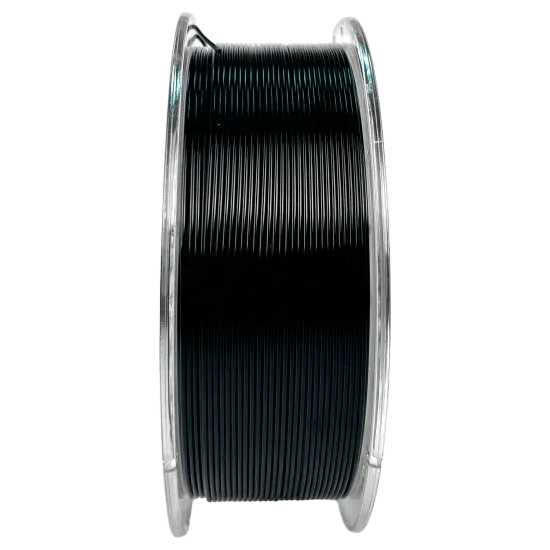
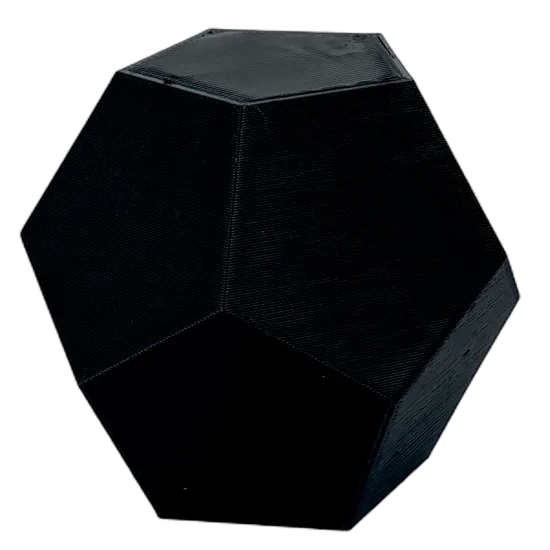
Sakata 3D PET-G filament in 1.75 mm, made in Spain and supplied on a 1 kg spool. It combines good layer bonding, low warping and a glossy finish, making it suitable for functional parts, housings, brackets, prototypes and objects requiring greater toughness than conventional PLA.
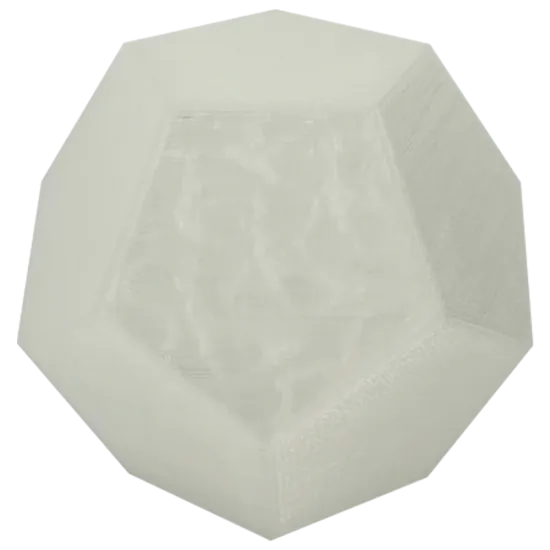
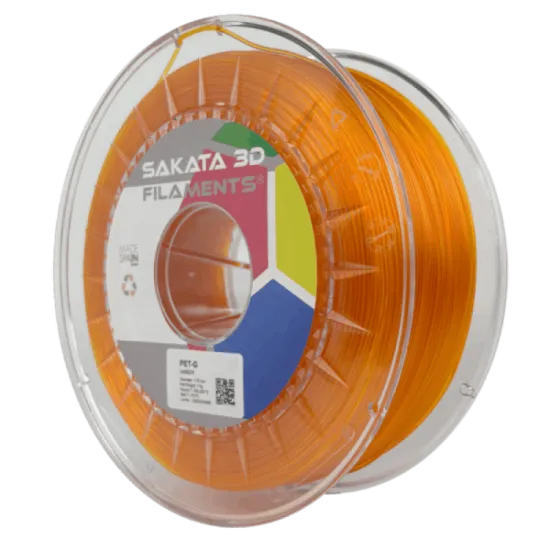
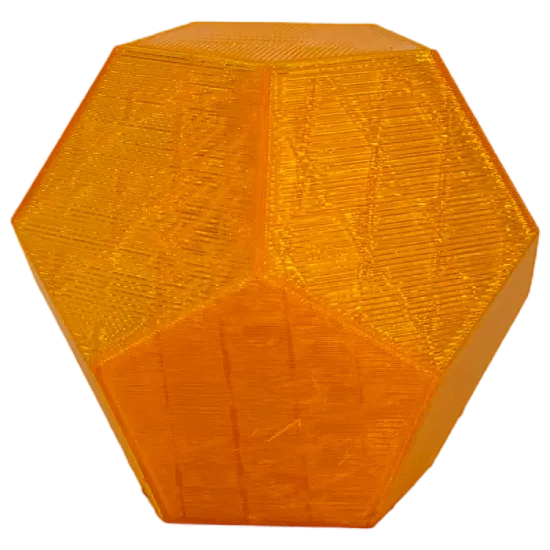
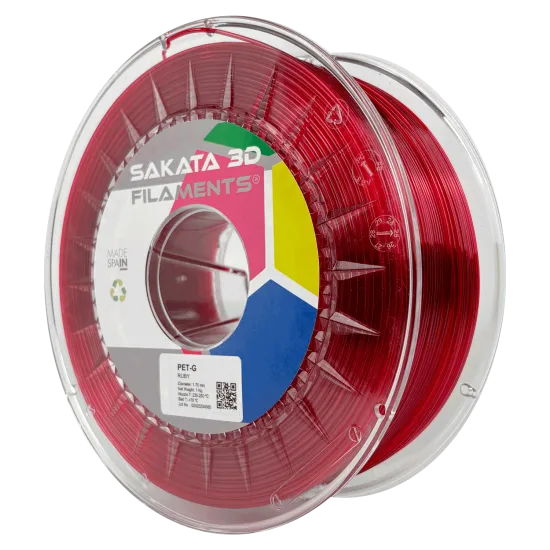
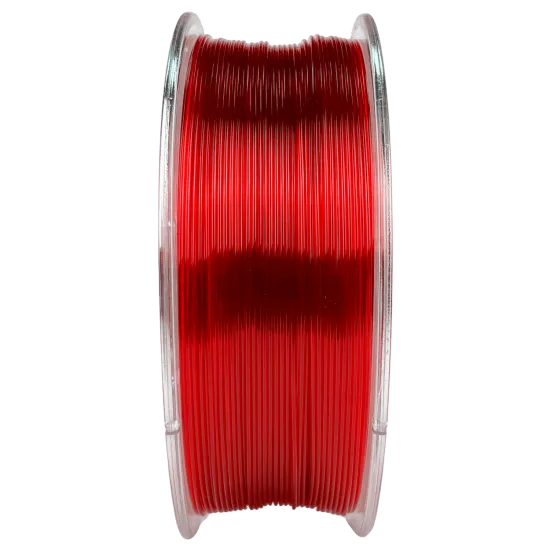
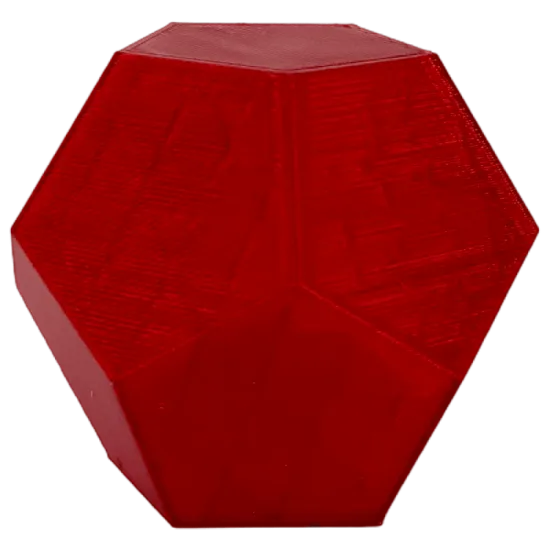
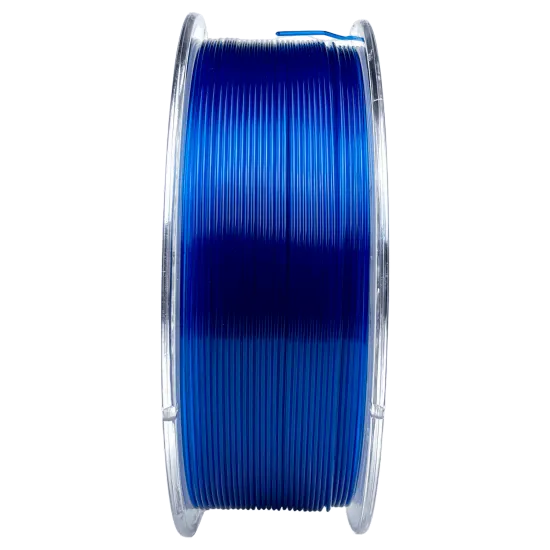
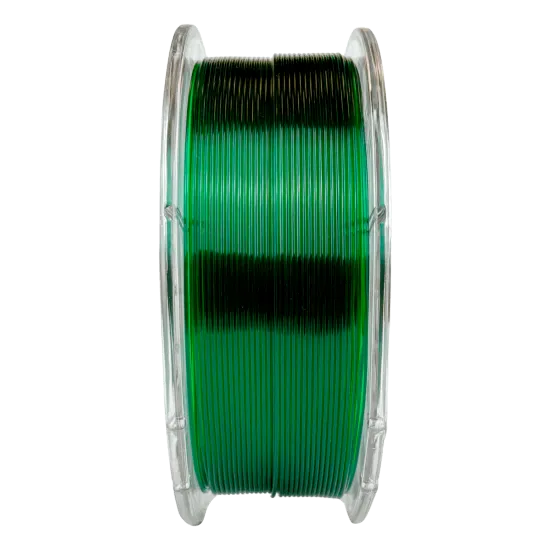
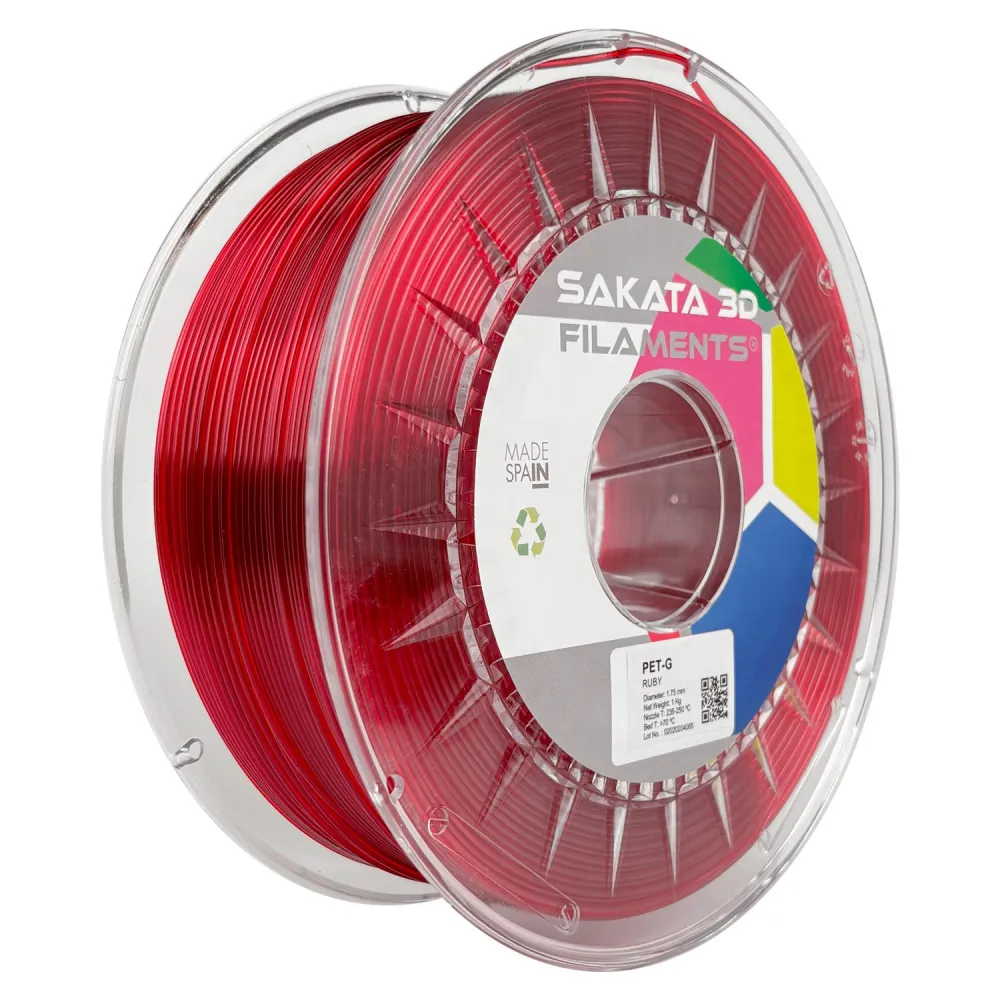
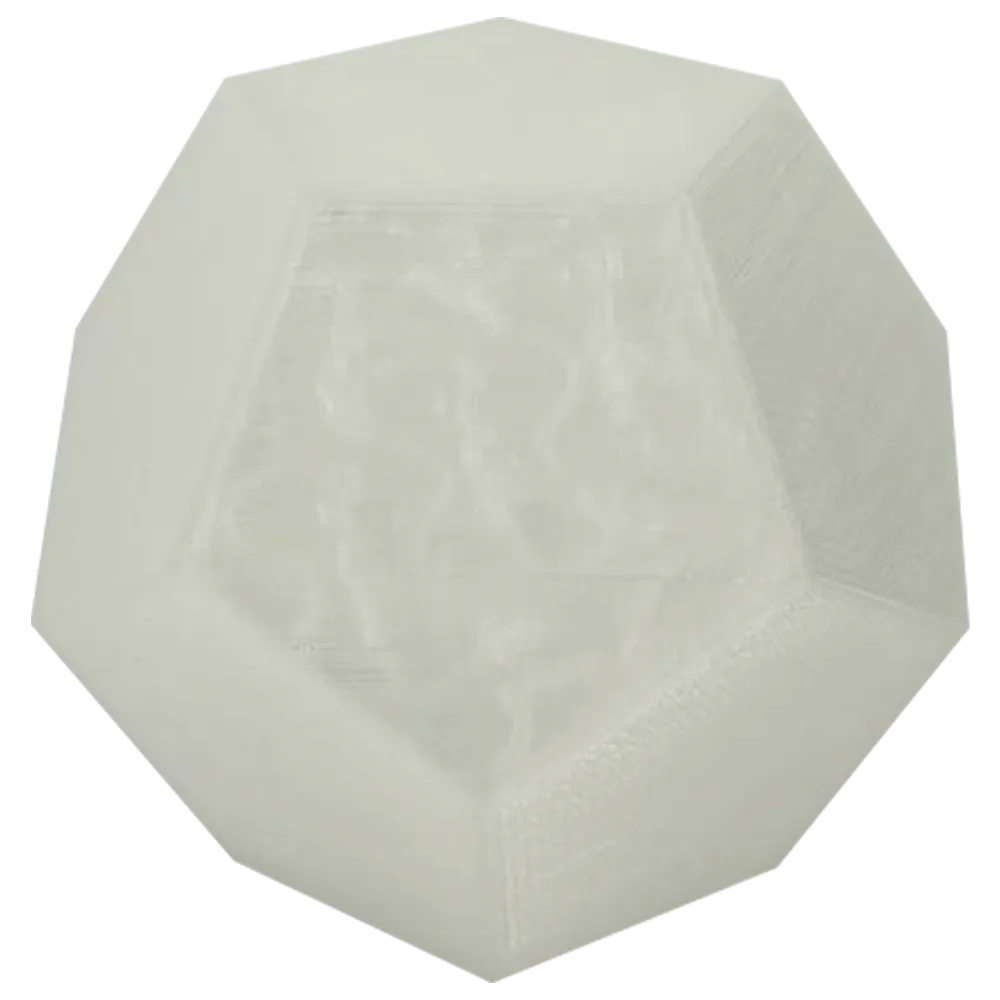
Translucent variants can make use of PET-G's natural clarity in thin walls or suitable print modes. The optical result depends on colour, wall thickness, layer height, temperature, flow and line orientation.
Format and available colours
- Material: standard PET-G.
- Diameter: 1.75 mm.
- Net weight: 1 kg.
- Made in Spain by Polimersia Global S.L. for Sakata 3D.
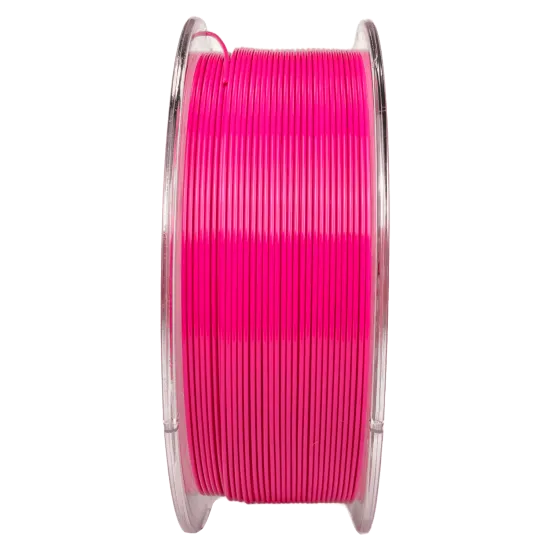
Available, subject to the options and stock shown on the page, in White, Transparent, Yellow, Amber, Orange, Red, Ruby, Fuchsia, Sapphire, Blue, Emerald, Green, Grey, Anthracite and Black. Transparent, Amber, Ruby, Sapphire and Emerald belong to the manufacturer's translucent range. Select the colour before adding the spool to the basket; shade may vary slightly with display, lighting or production batch.
Technical specifications
| Property | Reference value |
|---|---|
| Diameter | 1.75 ± 0.05 mm |
| Maximum roundness deviation | 0.05 mm |
| Density | 1.27 g/cm³ |
| Tensile yield strength | 50 MPa, ASTM D638 |
| Elongation at break | 140%, ASTM D638 |
| Flexural strength | 73 MPa, ASTM D790 |
| Notched Izod impact | 100 J/m, ASTM D256 |
| HDT | 64-70°C, ASTM D648 |
| Vicat softening temperature | 85°C, ASTM D1525 |
These are standardised results for the reference material, not guaranteed values for every printed part. Orientation, wall count, infill, geometry, moisture, temperature and load duration affect final performance. HDT and Vicat do not by themselves define a universal continuous service temperature.
Suggested starting profile
| Setting | Starting point |
|---|---|
| Nozzle | 235-250°C in current commercial documentation |
| Heated bed | Above 70°C as the current reference |
| Part-cooling fan | 20% as an initial reference; adjust for geometry and layer bonding |
| Layer height | 0.10-0.30 mm |
| Initial speed | 40-80 mm/s; increase only after checking flow and layer adhesion |
| Flow | The TDS suggests testing a 4-6% reduction; calibrate before adopting it |
Some earlier spools or documents may state 225-245°C and a bed from 60°C. Give priority to the label on the supplied spool, as it identifies its batch more closely, then use a temperature tower and first-layer test to complete the profile. There is no maximum speed that applies to every printer: practical performance depends on hotend flow, nozzle, line width and height, acceleration and geometry.
3D printer compatibility
Suitable for FDM/FFF printers designed for 1.75 mm filament whose hotend can reach the required temperature and which have a compatible heated bed and build surface. Profiles can be created for common Creality Ender 3, Prusa MK3/MK4, Bambu Lab A1/P1/X1, Voron and HTA3D configurations, provided each model's limits are respected.
With automatic material feeders, check that the spool, path and PET-G profile suit the exact system. Use an external spool holder when in doubt. This standard PET-G does not provide the specific properties of PET-G V0, carbon-fibre PET-G or recycled PET-G.
Bed adhesion and tuning
- Clean the build surface and set the first layer without excessive squish.
- Begin with moderate retraction and tune it with a short test; the correct value depends on direct-drive or Bowden configuration.
- Reduce temperature or slightly increase cooling if stringing or soft details appear; increase temperature or reduce cooling if layer bonding is weak.
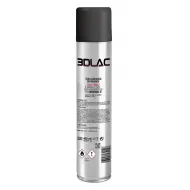
- On glass or highly adhesive surfaces, a thin layer of 3DLAC aerosol or 3DLAC Plus may be used as an adhesion aid or potential release layer, following the build-surface instructions.
- Allow the part to cool before removal to avoid damaging its finish or the bed.
Storage and use limits
Store the spool sealed with desiccant and protected from moisture, heat and direct light. If popping, bubbles, excessive stringing or a rough surface appear, dry the material only with a cycle compatible with PET-G, the spool and the equipment used; the reviewed official documentation does not specify a drying cycle for this standard grade.
The manufacturer states good chemical and weather resistance, but each application should be tested with the actual agent, concentration, temperature, stress and exposure time. It is not certified for food contact or medical applications. Good general ventilation is recommended during printing.
This is for you if
- You want a filament made in Spain for functional parts with good toughness and low warping.
- You want a choice of opaque and translucent colours with a glossy finish.
- Your printer uses 1.75 mm filament and can operate its hotend and bed within the stated range.
This is not for you if
- You require food-contact, medical or flame-retardant certification.
- Your printer has no heated bed or cannot reach the required temperatures.
- You need a part for continuous heat, chemical exposure or critical loads without prior testing.