

- Stock: Out of Stock
- Model: RAMPS1.6+

Model:

Ramps 1.4

Ramps 1.5

Ramps 1.6

Ramps 1.6+
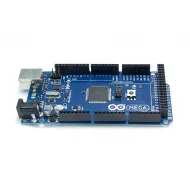
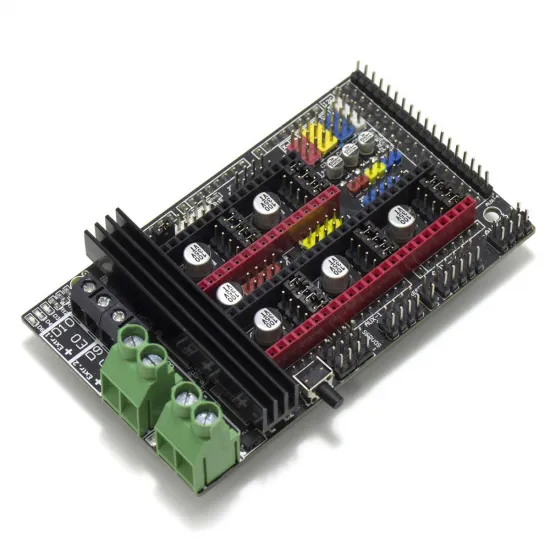
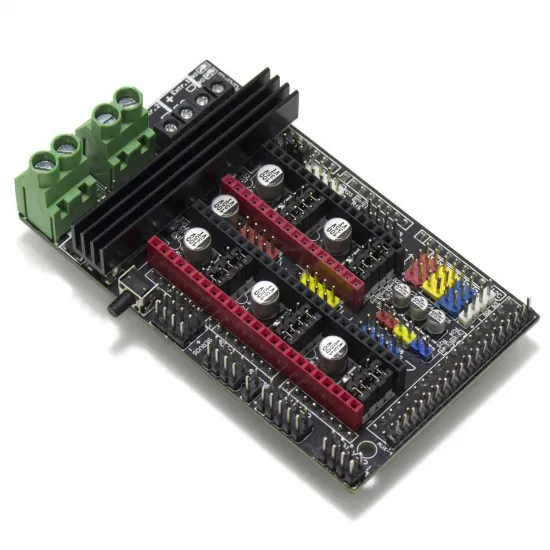
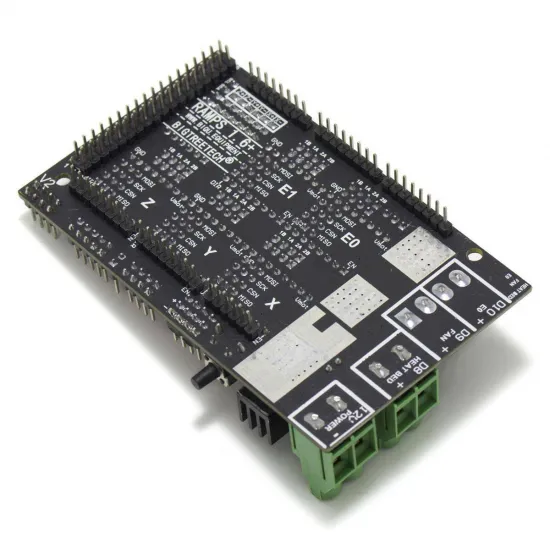
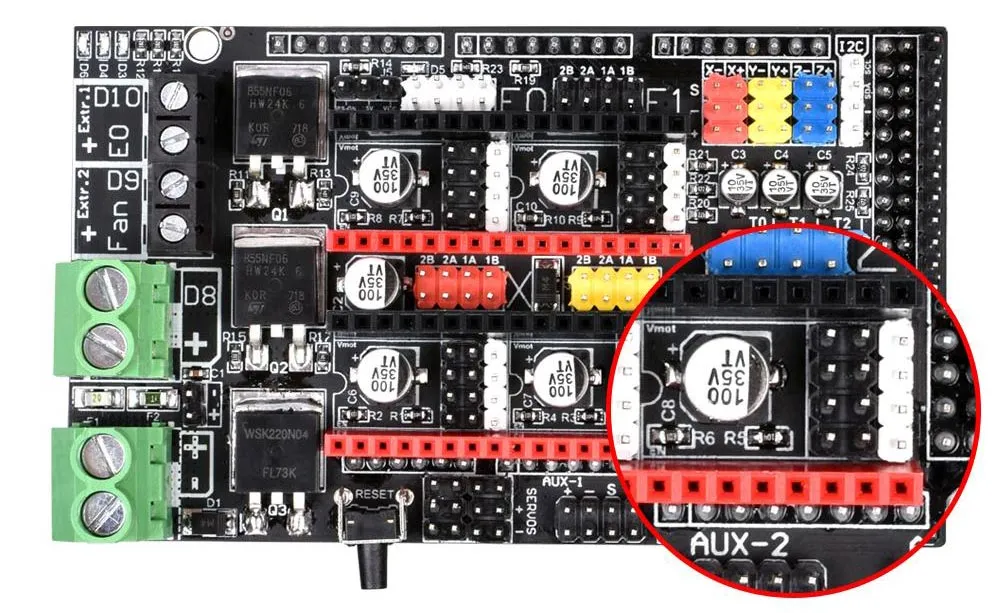
The BIGTREETECH RAMPS 1.6+ is an Arduino Mega 2560 expansion shield for RepRap projects and RAMPS-based 3D-printer repairs. It retains replaceable stepper drivers and the familiar RAMPS connections, while routing the Mega's SPI signals to the driver sockets. This makes it useful when you want to configure SPI-ready TMC2130 drivers.
This is a shield, not a standalone controller: it needs a compatible Mega, drivers, correctly configured firmware and wiring suited to the machine. The key difference from an ordinary RAMPS 1.6 is the per-socket jumper selection between SPI and conventional STEP/DIR operation.
Connections and drivers
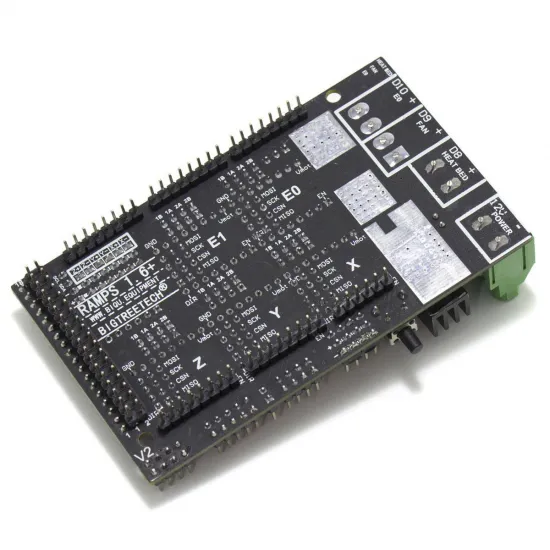
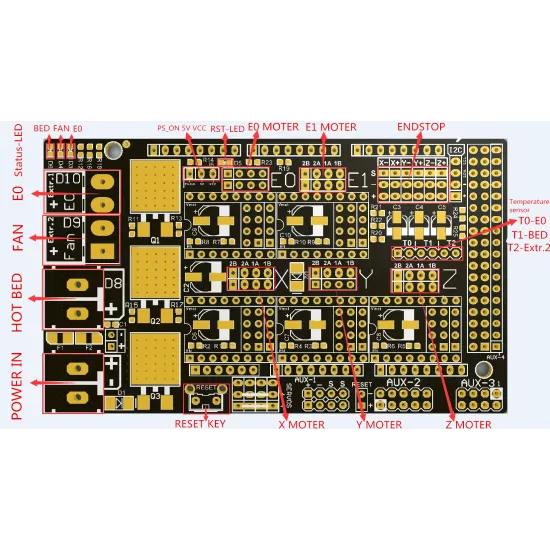
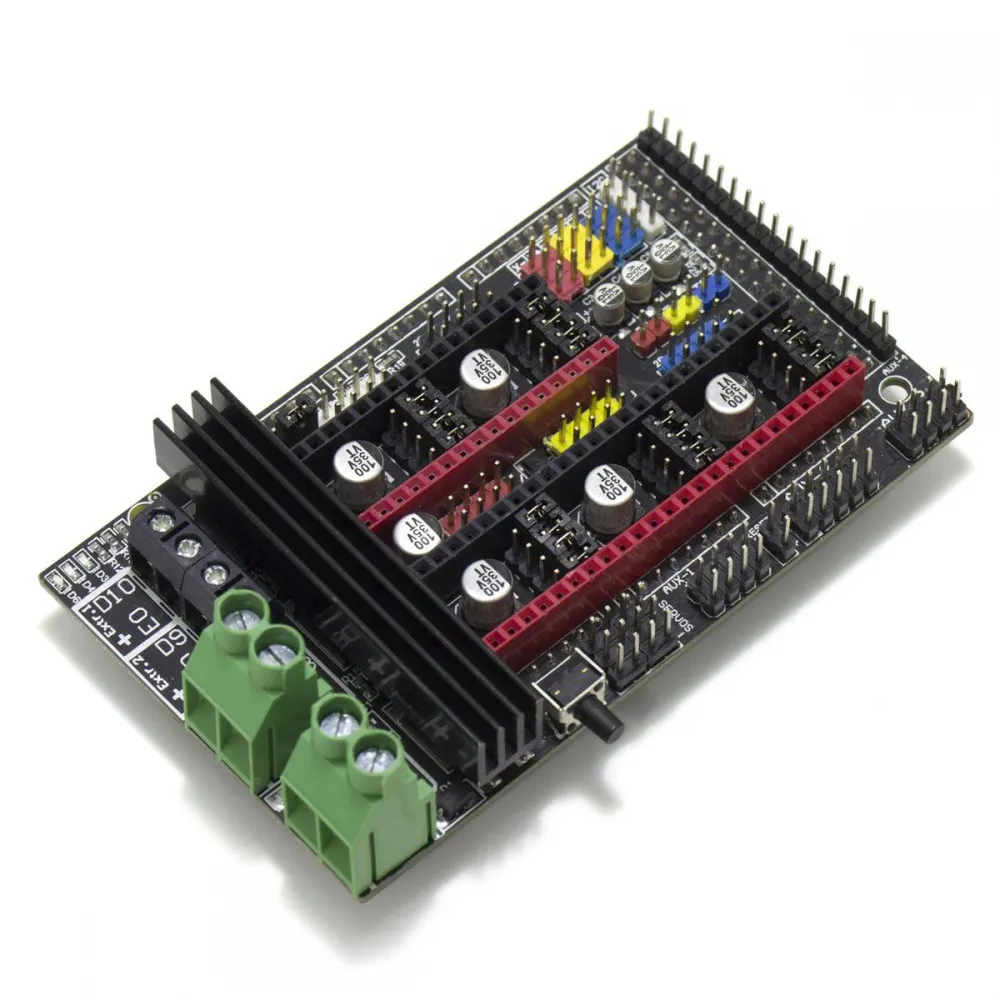
- Five replaceable driver sockets: X, Y, Z, E0 and E1. The two Z motor connectors share one driver; they are not independent Z channels.
- Three switched power outputs: their firmware roles depend on the selected EFB/EEB/EFF/EEF variant. EFB represents hotend, fan and bed.
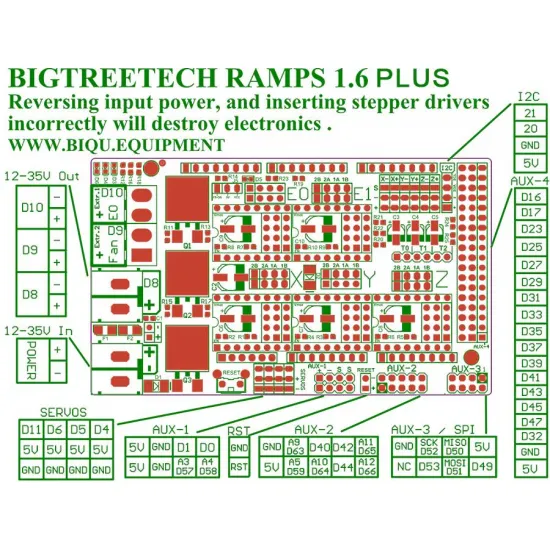
- Temperature, endstop and auxiliary connections associated with RAMPS/Mega. Sensor type and display support must match the actual printer.
- On-board SPI routing: Mega MOSI, MISO and SCK are shared, with a separate chip-select line for each driver socket.
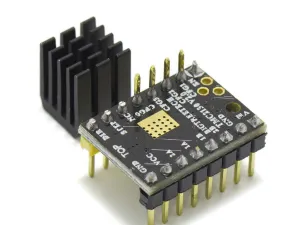
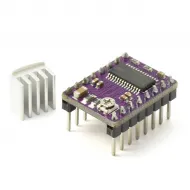
An SPI-capable chip alone does not prove that a particular module is wired for SPI. For example, our FYSETC TMC2130 V1.2 SPI is sold as an SPI version, whereas some other TMC2130 modules are STEP/DIR variants. Check VM, GND, VIO, STEP, DIR and motor outputs against the socket before insertion. PCB colour and potentiometer position are not reliable orientation guides.
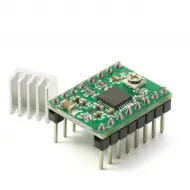
A4988, DRV8825 and other electrically compatible StepStick-style modules use the conventional STEP/DIR jumper arrangement; set MS1–MS3 to suit the actual driver. Different sockets may use different modes if each is configured correctly. Never change drivers or jumpers while powered.
Jumper configuration
The diagram numbers the configuration pins underneath a driver socket. Match its orientation to the markings on your board before fitting jumpers.
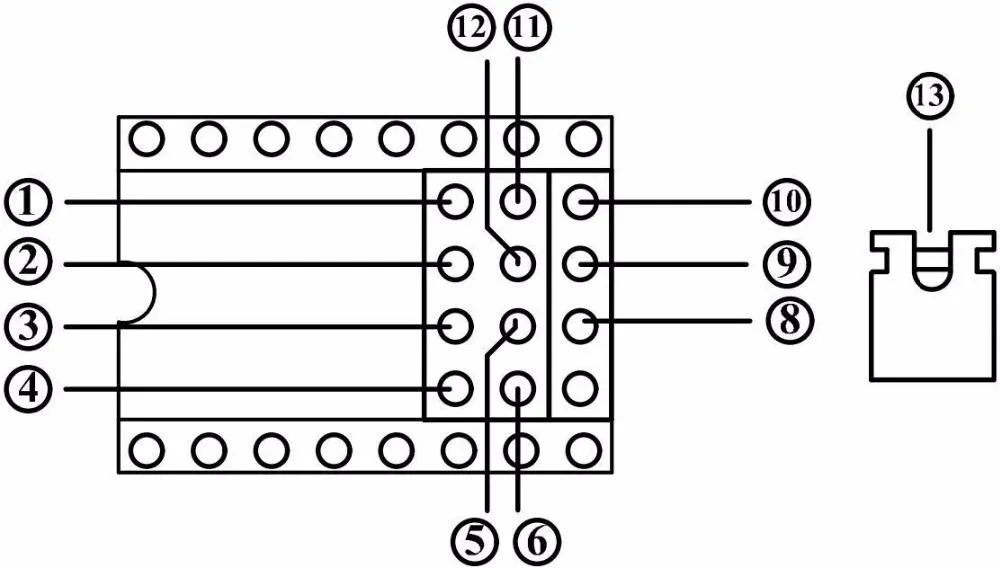
| Mode | Links shown in this board's diagram | Purpose |
|---|---|---|
| SPI | 1–11, 2–12, 3–5, 4–6 | Communication with an SPI-ready driver |
| STEP/DIR | 11–10, 12–9, 5–8 | MS1, MS2, MS3 selection for the fitted driver |
Remove the old mode's jumpers before changing modes. If your board revision or markings differ, confirm its specific schematic instead of copying the diagram blindly.
Marlin setup
Marlin provides a dedicated BOARD_RAMPS_BTT_16_PLUS_... family. For one hotend, one fan and one bed in the normal three-output arrangement, select BOARD_RAMPS_BTT_16_PLUS_EFB. Select the matching BTT 1.6+ EEB, EFF or EEF variant for a different real output layout. The separate BOARD_RAMPS_PLUS_... family describes another board; its “Plus” name is not sufficient reason to use it.
Set each driver's actual type in Configuration.h—for example X_DRIVER_TYPE TMC2130 only when X has an SPI-ready module and the correct jumpers. For this board, Marlin uses chip-select pins X D63, Y D40, Z D42, E0 D65 and E1 D66 and the Mega's hardware SPI signals. Configure motors, sensors, endstops and display for your actual machine, then compile and verify the firmware.
Klipper setup
Klipper's generic-ramps.cfg is a starting pin map for Mega 2560/RAMPS, not a ready-to-print profile. For each SPI TMC2130, add a matching [tmc2130 stepper_x]-style section with the socket's cs_pin, SPI bus and a run_current appropriate to the motor and module.
| Socket | Mega / Marlin pin | Klipper pin name |
|---|---|---|
| X | D63 | PK1 |
| Y | D40 | PG1 |
| Z | D42 | PL7 |
| E0 | D65 | PK3 |
| E1 | D66 | PK4 |
The Mega hardware SPI bus is called spi in Klipper. Check for signal or pin conflicts if a display also uses SPI, and verify driver communication before commanding motion.
Power and safe installation
12 V is the conservative choice for a classic RAMPS/Mega build. Do not assume 24 V support from the board name alone: the exact shield revision, Mega, regulators, capacitors, drivers, fans and all peripherals would need checking. Connect both power inputs with the supply off, verify polarity and tighten the terminals correctly.
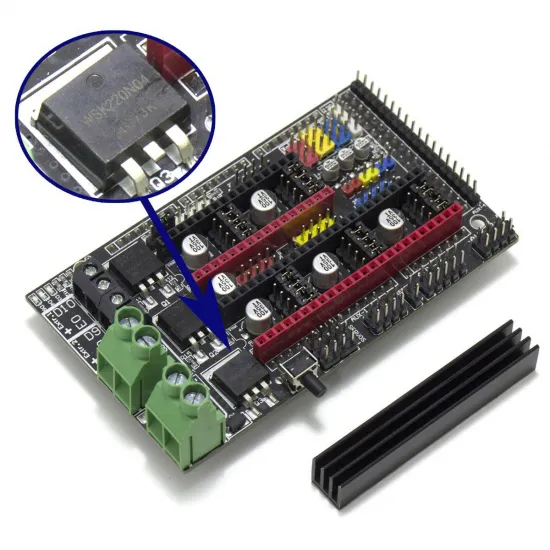
The MOSFET's headline current rating is not a safe continuous heated-bed rating for the assembled board. Terminals, tracks, fuses, wiring, airflow and enclosure temperature all matter. Use a properly rated external power stage for a high-current bed.
It is for you if
- Your machine or project already uses Arduino Mega 2560/RAMPS.
- You want replaceable drivers and can verify SPI module wiring, jumpers and firmware.
- You are repairing a documented RepRap machine while keeping its architecture.
It is not for you if
- You need a modern 32-bit controller or integrated drivers.
- You require two independent Z drivers or a no-check drop-in replacement.
- You expect every TMC2130 module to communicate over SPI solely because it fits the socket.
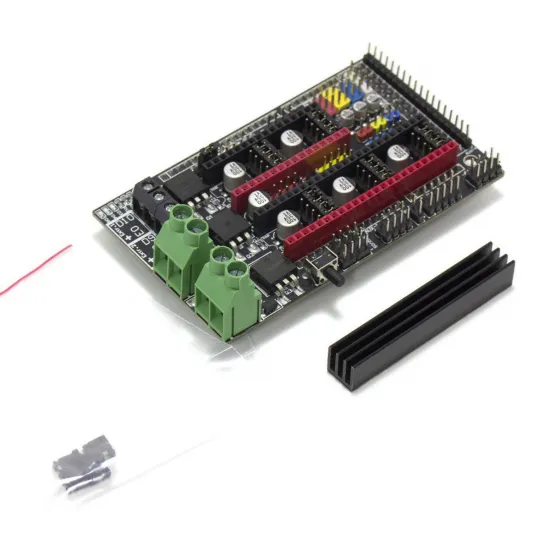
Supplied: one RAMPS 1.6+ shield; the current catalogue lists jumpers and a heatsink. Mega 2560, stepper drivers and display are separate items.