

- Stock: 55
- Model: HIPS-Sakata-1.75mm

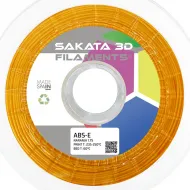
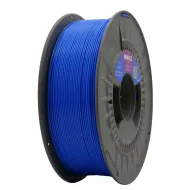
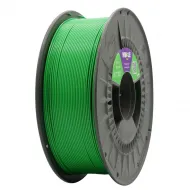
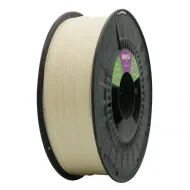
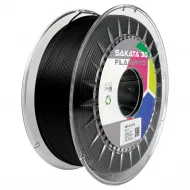
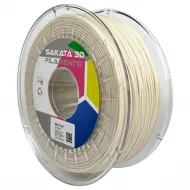
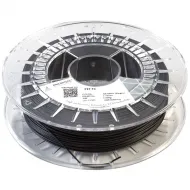
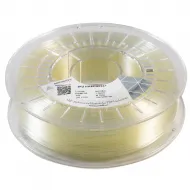
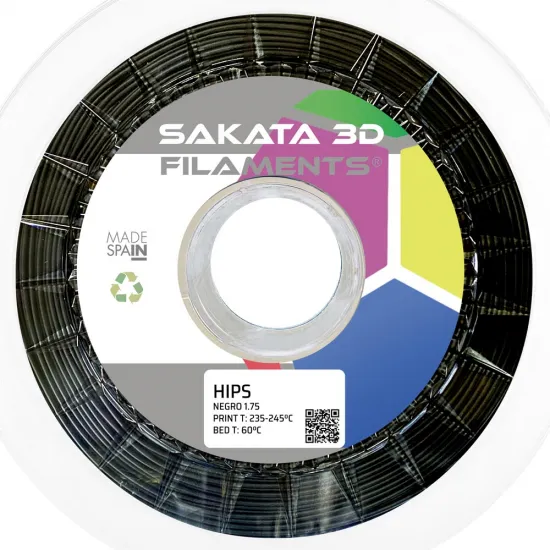
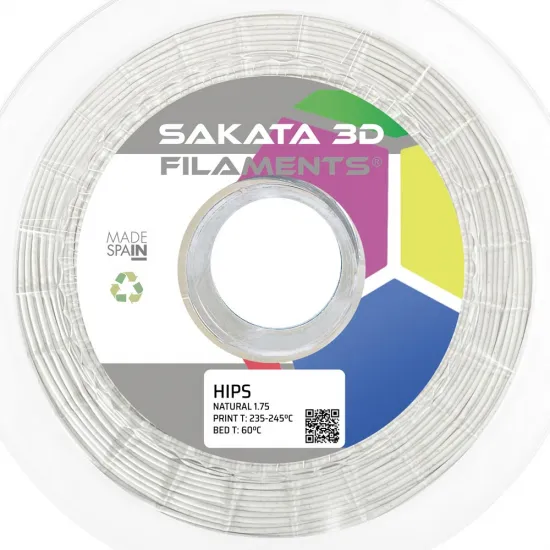
Sakata 3D HIPS filament in 1.75 mm, supplied on a 1 kg spool and available in white or black. High-impact polystyrene combines rigidity, dimensional stability and impact resistance, making it suitable for functional parts, housings, prototypes and tooling.
It can also be used as a limonene-soluble support material for ABS or ASA in multi-material printers. This application requires checking both printing compatibility between the two polymers and the safety of the dissolution process.
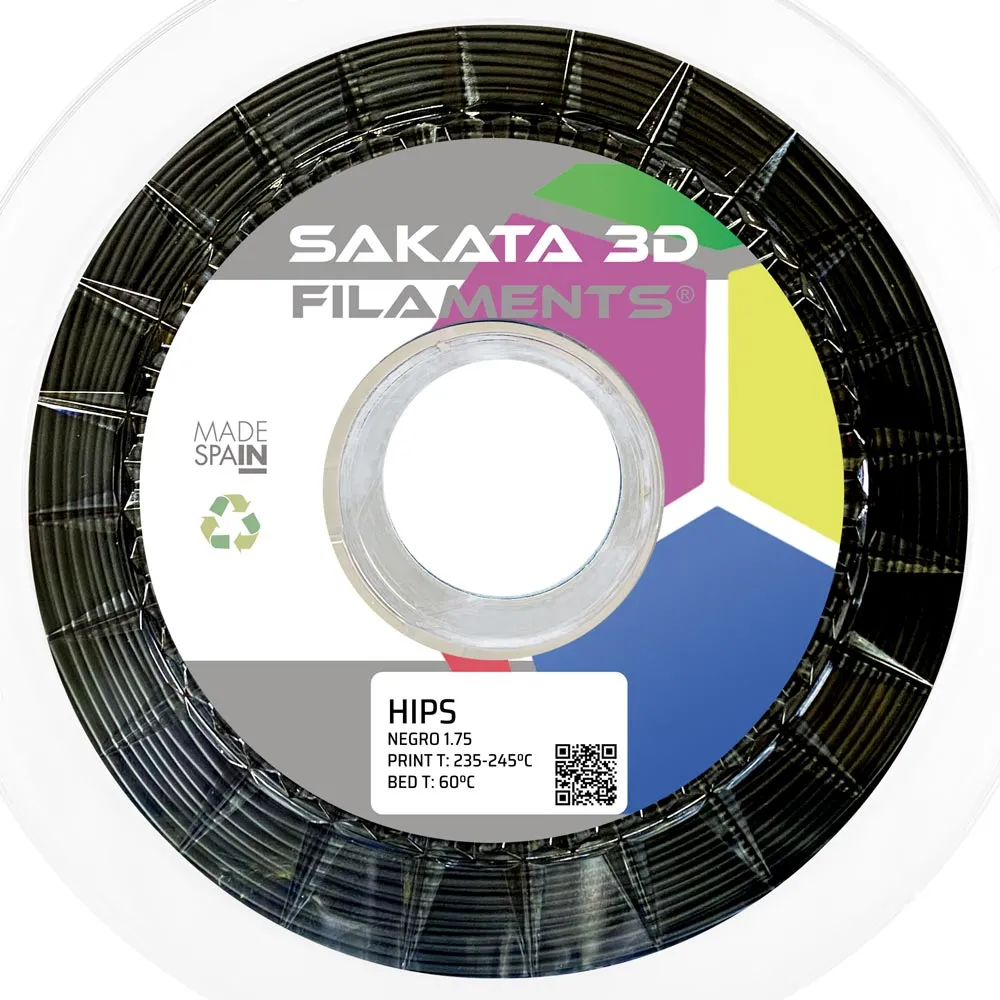
Spool and colours
- Diameter: 1.75 mm.
- Net weight: 1 kg.
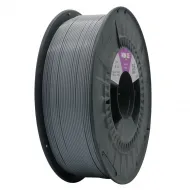
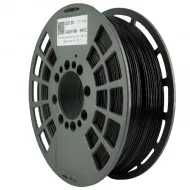
- Selectable colours: White and Black.
- Made in Spain by Polimersia Global S.L. for Sakata 3D.
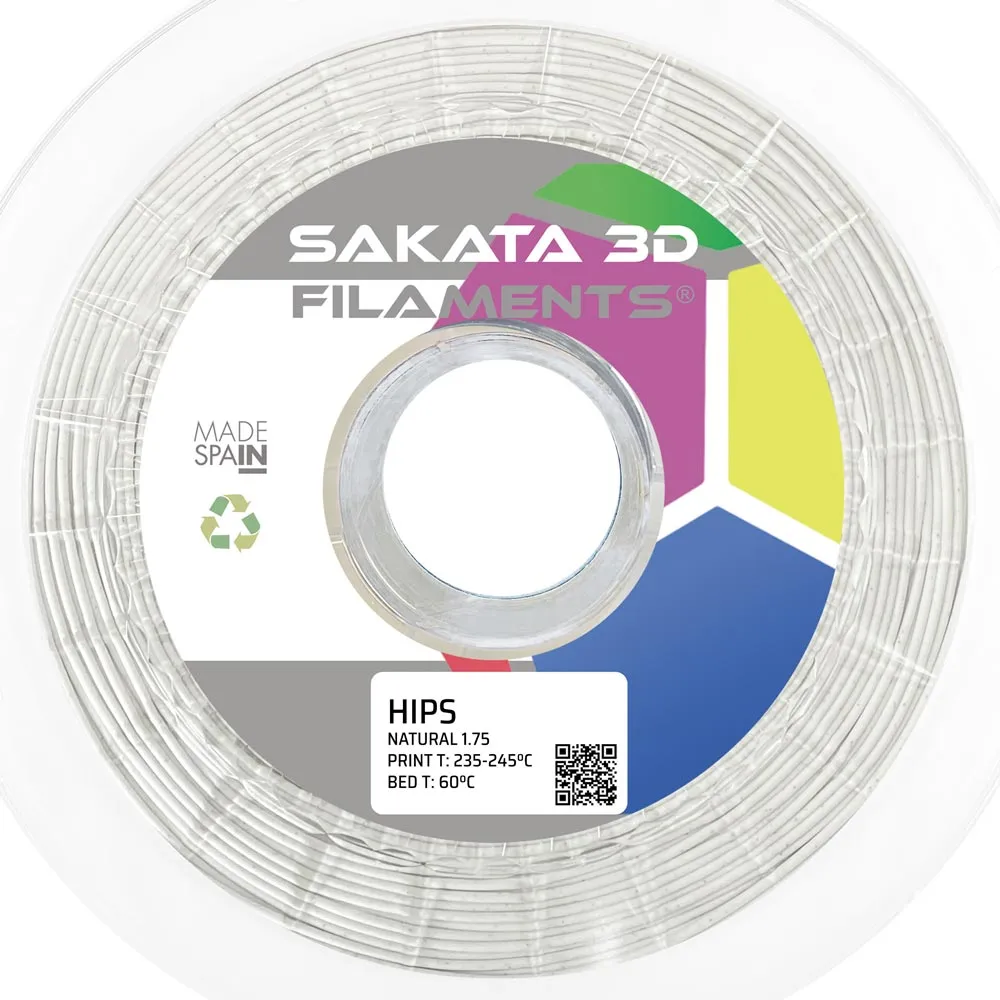
Select the colour before adding the product to the basket. Shade may vary slightly with lighting, display and production batch; the white option corresponds to the natural finish shown in the gallery.
Technical specifications
| Property | Reference value |
|---|---|
| Material | HIPS, high-impact polystyrene |
| Diameter | 1.75 ± 0.05 mm |
| Maximum roundness deviation | 0.05 mm |
| Density | 1.04 g/cm³ |
| Notched Charpy impact at 23 °C | 12 kJ/m² |
| Vicat VST/B/50 | 90 °C |
| HDT, methods A / B | 74 / 83 °C |
Mechanical and thermal figures are standardised test results for the reference material. They are not a guaranteed service temperature or strength for every part: orientation, layers, infill, geometry, load and exposure time all affect performance.
Printing settings
| Setting | Starting point |
|---|---|
| Nozzle | 235-245 °C |
| Bed | Follow the spool label first; product references range from 60 °C to 90 °C or above |
| Surface | Compatible tape or adhesive when required |
| Part-cooling fan | 50% as an initial reference |
| Layer height | 0.08-0.20 mm |
| Speed | 40-80 mm/s |
Bed temperature is particularly dependent on batch, surface, adhesive and part size. Start with the value printed on the supplied spool; increase it only when first-layer adhesion or corners require it, and never exceed the printer or surface limits.
Printer preparation
- Check that the hotend, bed and build surface can operate at the required temperatures.
- Clean the bed and apply compatible tape or adhesive when necessary.
- Protect large parts from draughts. An enclosure may improve thermal stability, but it does not replace workplace ventilation.
- Print a temperature tower and first-layer test before committing to a long job.
- Adjust fan and speed if corners lift, the part contracts or layer bonding is poor.
Support-material compatibility
Sakata recommends HIPS as support for Sakata 3D ABS and Sakata 3D ASA. The printer must handle two materials and use an appropriate temperature, purge, retraction and parking profile.
- Print an interface test with the final materials, colours and batches.
- Do not assume compatibility with PLA, PETG, PA, PC, TPU or other materials merely because diameter or temperature overlap.
- For PLA 850 or PLA HR-870, consider Sakata 3D Easy Off breakaway support, which does not require a solvent.
Limonene dissolution and safety
HIPS is soluble in limonene, but there is no universal dissolution time: support volume, liquid access, concentration, bath renewal and temperature all have an effect. Test a sample first to confirm that the main polymer, pigments and finish are not altered.
Ventilation, storage and use limits
Small quantities of styrene may be released during printing. Use ventilation or extraction that renews workplace air. When printing in an enclosure, do not open it towards your face immediately after the job; exhaust or renew the air safely.
Store the spool sealed with desiccant and protected from moisture, heat and direct light. The reviewed documentation does not specify a drying cycle for this HIPS; if popping, bubbles or a rough surface appear, use only a cycle validated for the supplied spool and batch.
This material is not certified for food contact or medical applications. Parts exposed to load, continuous heat, functional electrical insulation or safety duties must be validated under their real service conditions.