Menu
Your Cart

Trianglelab ZS-MZE Melt Zone Extender for V6-Compatible Hotends

Trianglelab ZS-MZE Melt Zone Extender for V6-Compatible Hotends
6.99€
Ex Tax: 5.78€
  • Stock: 3
  • Model: Extender-Melt-zone

Model:

HF

HF

CHT - HF Plus

CHT - HF Plus

Fast shipping from Spain
Delivery from 24 hours and free shipping available in mainland Spain.
Stock on hand
Shipped quickly from Spain, with a full VAT invoice.
Secure & flexible payment
Pay by card, PayPal or bank transfer.
Expert technical support
Over 10 years helping customers with components and compatibility.

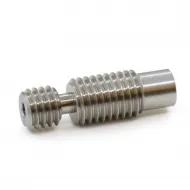
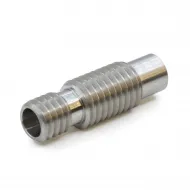
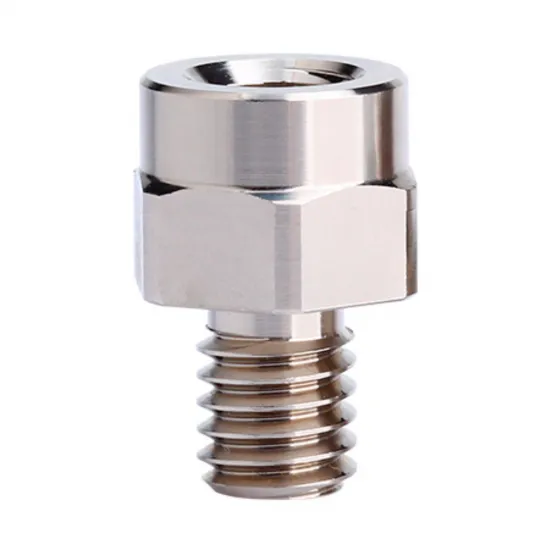
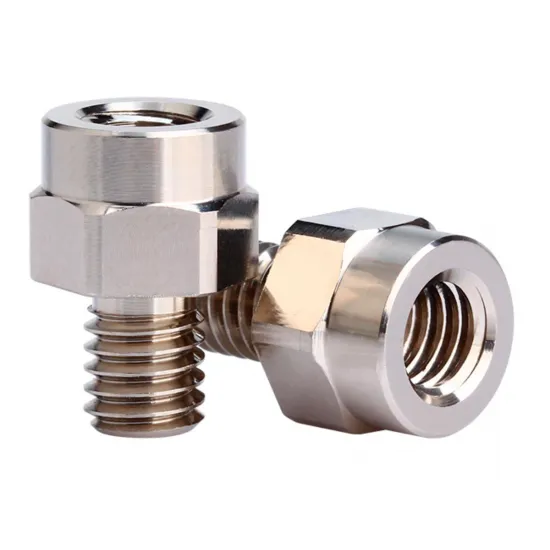
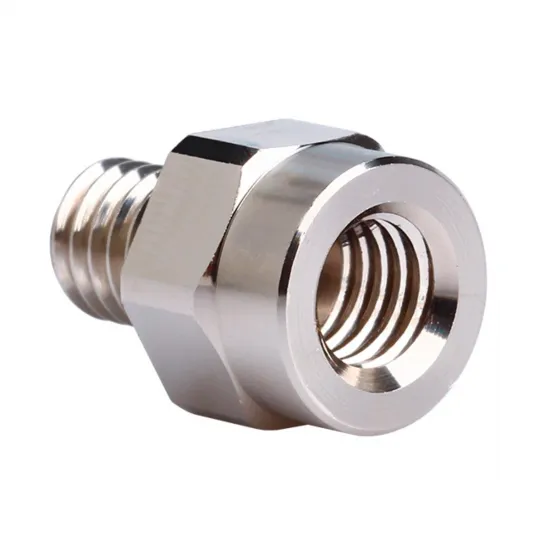
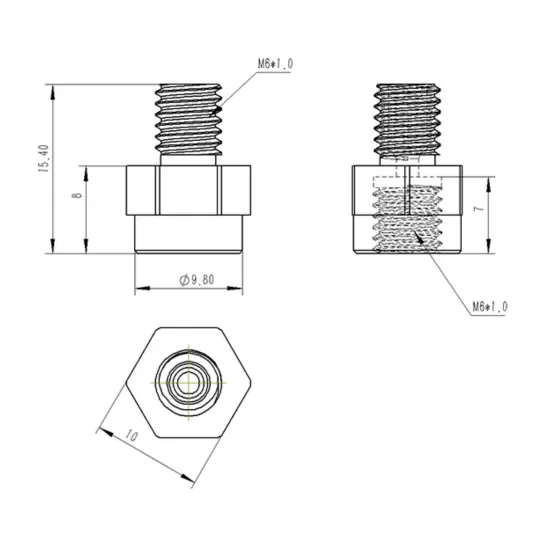
Trianglelab ZS-MZE melt zone extender for hotends with a compatible V6 nozzle interface. It fits between the heater block and nozzle, extending the heated filament path by approximately 8.4 mm to increase the hotend's potential melting capacity.

It is CNC-machined from a nickel-plated copper alloy. This combination supports efficient heat transfer while helping to protect the surface against oxidation and adhered plastic residue.

Main features

  • Model: Trianglelab ZS-MZE.
  • Approximate melt-zone extension: 8.4 mm.
  • Material: nickel-plated copper alloy.
  • CNC-machined construction.
  • Approximate weight: 4.6 g.
  • Designed for 1.75 mm filament.
  • Interface intended for compatible V6-format heater blocks and nozzles.

What improvement can it provide?

By increasing the heated length, the filament has more distance in which to absorb energy before leaving the nozzle. This can support a higher volumetric flow and reduce temperature drop during fast extrusion.

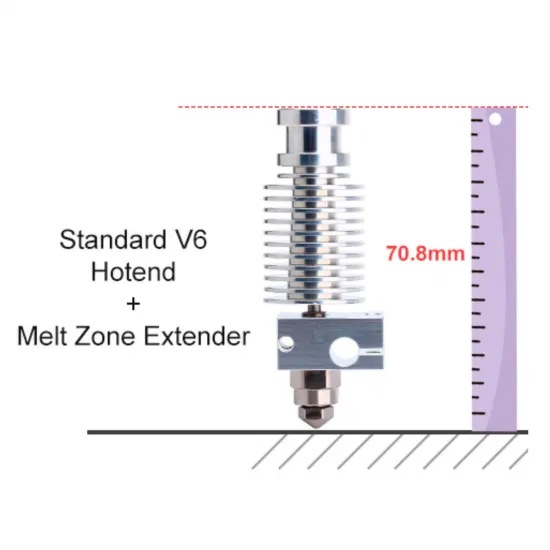
Trianglelab states that, when installed on a standard V6, the resulting flow can approach that of a standard Volcano hotend. This should not be interpreted as a fixed 40% increase, as the result depends on the heater, block, nozzle, extrusion diameter, material, temperature and cooling system.

Compatibility

The manufacturer lists compatibility with several hotends using a V6-style nozzle interface, including:

  • Standard V6 hotends.
  • V6 Hemera.
  • Trianglelab CHC V6, CHC TD6, CHC Mini, CHC Hemera, CHC TD6S and CHC TR6.
  • Trianglelab RAPIDO V2 and RAPIDO ACE.
  • Trianglelab Dragon ACE.

Compatibility with other Dragon, RAPIDO or derivative hotends should be treated as dimensional and conditional. Before installation, check the M6 thread, available thread depth, sealing surface, nozzle length and silicone-sock clearance.

Compatibility with catalogue products

It may be used to extend the melting zone of the Phaetus RAPIDO 2 HF hotend when the revision and mounting geometry match.

The Phaetus RAPIDO 2 UHF already uses an extended melting-zone configuration. In this case, this component should only be considered a possible dimensional replacement after comparing the original extender, nozzle and silicone sock; it is not an original Phaetus replacement part.

3D printer compatibility

It can be installed in VORON 2.4, VORON Trident and other printers equipped with a compatible hotend, but the extender changes the vertical nozzle position. The mount, cooling duct, bed-level sensor and available bed clearance must be checked.

On printers such as the Creality Ender 3, CR-10 or Prusa, compatibility depends on the installed hotend rather than the printer model alone. A modified V6 system may accept it, while the machine's original hotend may not.

Effects of installation

  • The nozzle sits approximately 8.4 mm lower.
  • The Z offset may need to be changed.
  • A different cooling duct or mount may be required.
  • A silicone sock suitable for the new geometry should be used.
  • Thermal behaviour, retraction and pressure advance may change.

Installation and tuning

Install the extender with the hotend cold and disconnected. Make sure the extender and nozzle thread correctly, that an internal sealing contact is formed and that no component bottoms out incorrectly against the heater block.

Perform the final hot-tightening procedure according to the hotend manufacturer's instructions. After installation, adjust the Z offset, check the bed-level sensor position, run PID tuning and determine the new maximum volumetric flow through progressive testing.

The temperature rating of the extender does not represent the operating-temperature limit of the complete assembly. The actual limit is always determined by the least temperature-resistant component, including the sensor, heater, heatbreak, nozzle, silicone sock, wiring and firmware.

Write a review

Note: HTML is not translated!
Bad Good
Captcha