

- Stock: Out of Stock
- Model: Foamy-Recreus

Model:
-70x70.webp)
78A - 600g

95A - 750g
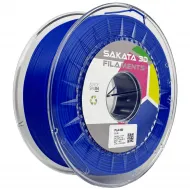
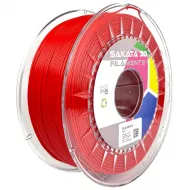
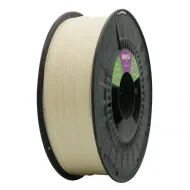
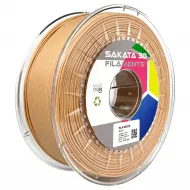
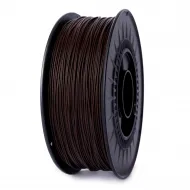
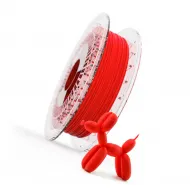
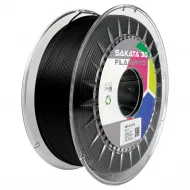
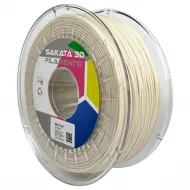
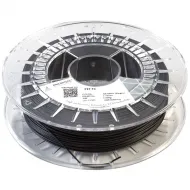
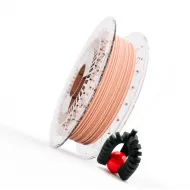
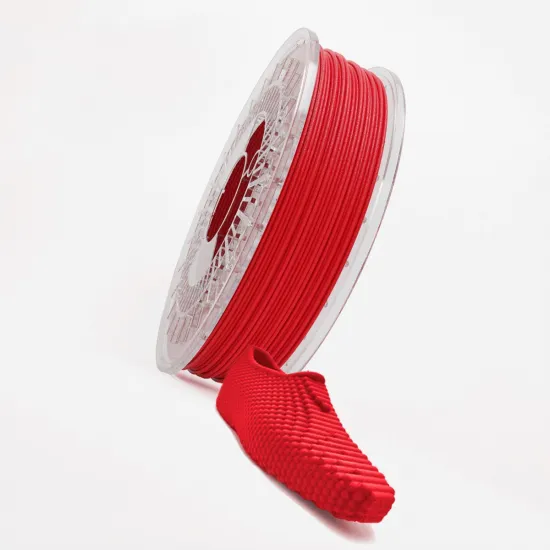
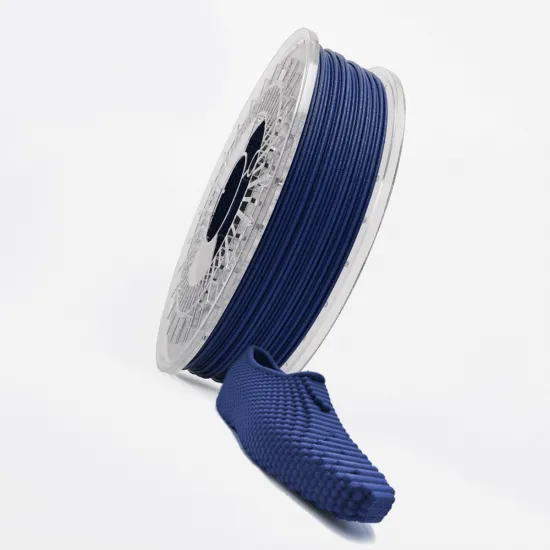
Recreus Filaflex Foamy is a flexible TPU filament with a foaming agent for making lighter elastic parts with a soft touch. Heat activates foaming during extrusion: changing temperature, flow and speed can alter density, firmness, line width, matte appearance and even the apparent colour shade. This listing is for 1.75 mm filament on a 600 g spool, with Black, Natural, Red, Nude and Blue options.
Made by Spanish manufacturer Recreus, it is aimed at users who want to tune elasticity, weight and geometry. Do not treat it like a conventional TPU profile: material can expand after leaving the nozzle, so a flow value suitable for another filament may create excessively wide walls with Foamy.
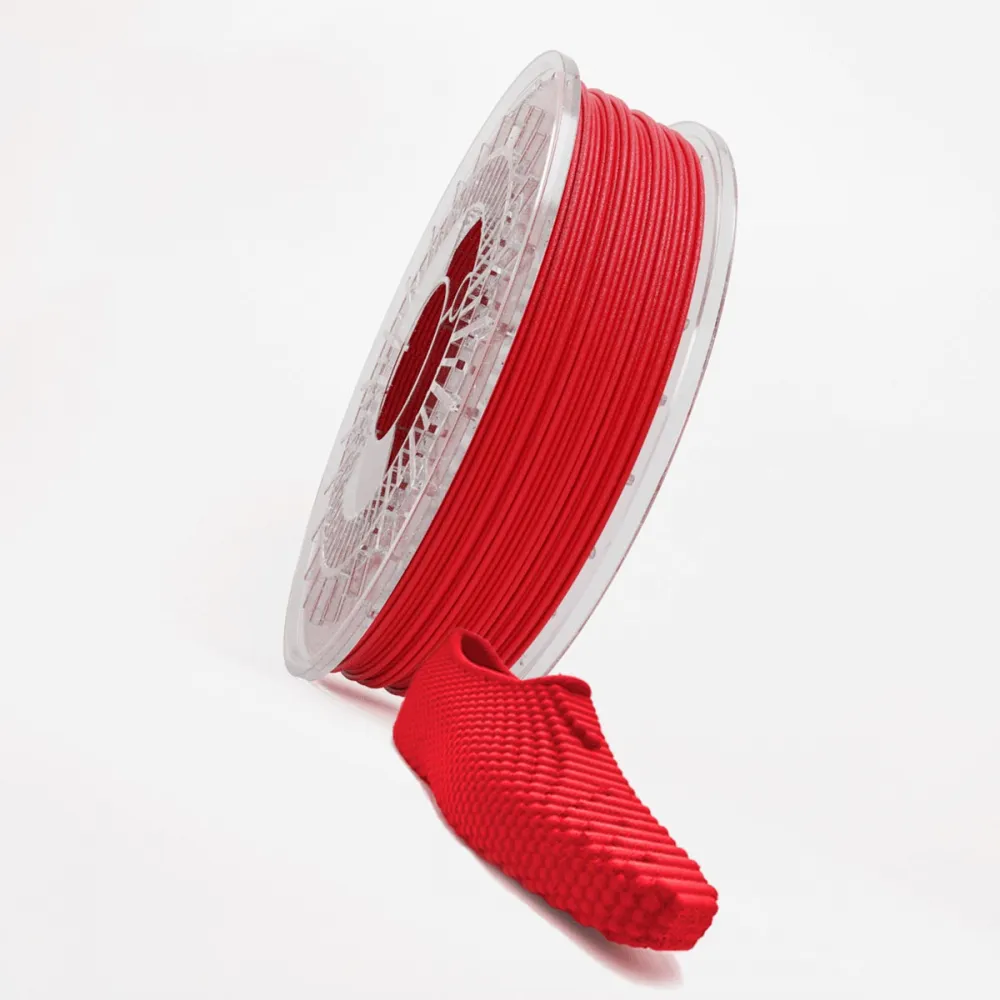
What foaming changes
The filament contains an additive that expands when heated. Higher temperature, lower flow or longer residence in the hot zone may increase the effect, but the outcome depends on the hotend, nozzle, speed and part geometry. More foaming often gives a lighter-looking, more matte part. Reducing flow does not automatically produce the same percentage of material savings: check mass, dimensions and strength on a test piece first.
Recreus's 2023 technical sheet characterised this material family at 78 Shore A before foaming and measured 51 Shore A on a test specimen printed at 250 °C and 70% flow. These are measurements under specific conditions, not guaranteed hardness for every print. Recreus has subsequently published different figures for current Foamy presentations; confirm the formulation on the batch label if this 600 g listing is replenished.
Printing starting points
The Filaflex Foamy technical sheet suggests 245–255 °C nozzle temperature, 20–40 mm/s and 0.2 mm layer height. Start with a small test piece and tune temperature and flow separately: measure wall width, inspect expansion and make sure layers bond without over-extrusion. For a lighter part, lower flow gradually and re-check dimensions; for more definition or density, reduce the foaming effect.
Recreus's current guide uses around 248 °C and 75% flow with a 0.4 mm nozzle as a point for experimentation, but its current commercial presentation is not necessarily identical to this 600 g batch. Treat these as trial settings, not a universal profile. Tune retraction to the actual extruder instead of copying long distances from another machine, particularly on soft direct-drive paths. Keep the material dry; Recreus recommends drying Filaflex at 55 °C for at least one hour, provided the spool can tolerate that temperature.
Printer compatibility and uses
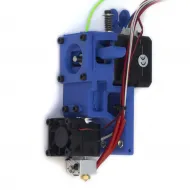
A direct-drive extruder with a short, well-confined filament path is preferable. An HPRO with direct drive, Prusa MK4 or another TPU-capable printer can provide a starting point, but this foaming TPU still needs its own tuned profile. On Bambu Lab P1S and other printers with automatic filament systems, distinguish the toolhead's ability to print TPU from the feeder's ability to transport it; the latter is not guaranteed. Bowden setups depend heavily on tube length and clearance.
Potential uses include footwear, insoles, grips, cushioning, filling and other applications where lower weight and flexibility matter. For protective devices, skin contact, medical uses or load-bearing parts, assess the finished design separately; a filament sheet is not certification of a printed part.
Choose the right variant
For a firmer foaming TPU in a current 750 g format, see Recreus Filaflex 95A Foamy. For flexible TPU without foaming, choose Filaflex 82A Original. If you need a rigid lightweight part, foaming PLA-LW is a different material family and will not provide Foamy's elasticity.
This is for you if
- You want a soft TPU for exploring flexible, lightweight parts with adjustable expansion.
- You can measure a test piece and tune flow, temperature and line width before making a final part.
- Your printer feeds TPU reliably through a well-guided path.
This is not for you if
- You require exact hardness, density or material savings without calibrating the specific printer and profile.
- Your automatic feeder cannot reliably handle soft TPU.
- You need the 750 g Foamy 95A variant or a rigid lightweight print; these are separate products.