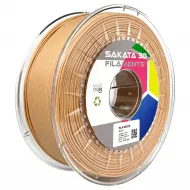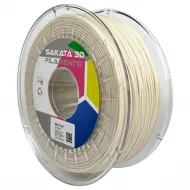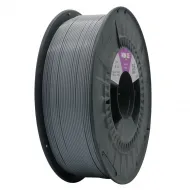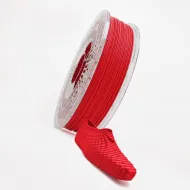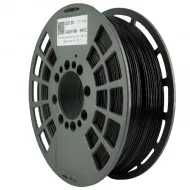
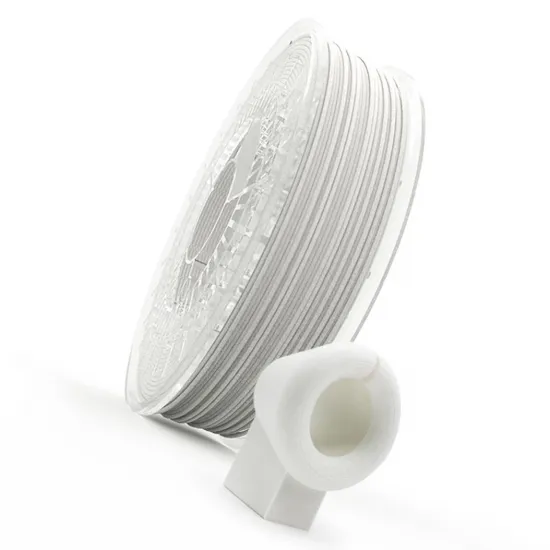
-550x550.webp "Polypropylene reinforced with fiberglass Filament - PP-GF - 1.75mm - Recreus - 600g")
-550x550.webp "Polypropylene reinforced with fiberglass Filament - PP-GF - 1.75mm - Recreus - 600g")
-550x550.webp "Polypropylene reinforced with fiberglass Filament - PP-GF - 1.75mm - Recreus - 600g")
-550x550.webp "Polypropylene reinforced with fiberglass Filament - PP-GF - 1.75mm - Recreus - 600g")
-550x550.webp "Polypropylene reinforced with fiberglass Filament - PP-GF - 1.75mm - Recreus - 600g")

-80x80.webp "Polypropylene reinforced with fiberglass Filament - PP-GF - 1.75mm - Recreus - 600g")
-80x80.webp "Polypropylene reinforced with fiberglass Filament - PP-GF - 1.75mm - Recreus - 600g")
-80x80.webp "Polypropylene reinforced with fiberglass Filament - PP-GF - 1.75mm - Recreus - 600g")
-80x80.webp "Polypropylene reinforced with fiberglass Filament - PP-GF - 1.75mm - Recreus - 600g")
-80x80.webp "Polypropylene reinforced with fiberglass Filament - PP-GF - 1.75mm - Recreus - 600g")
- Stock: 2
- Model: PPGF-Recreus

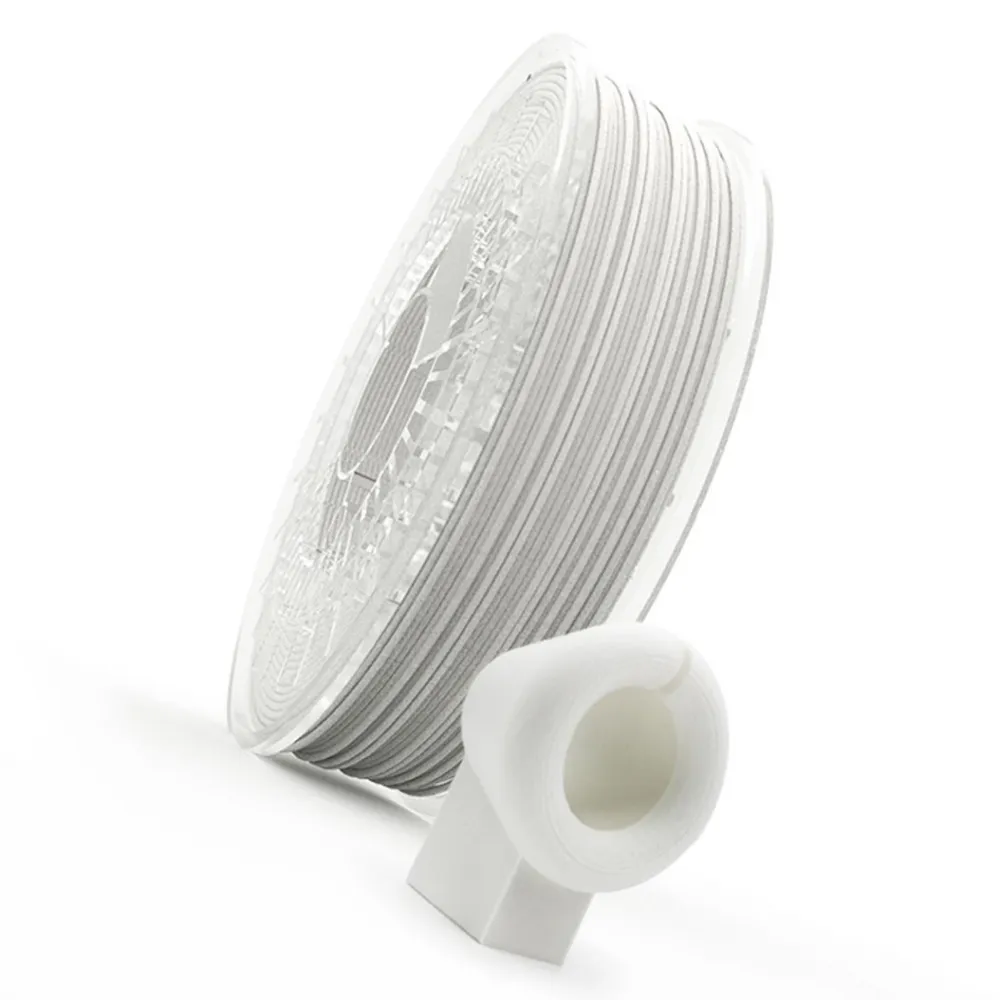
Recreus PP·GF is an engineering filament made from polypropylene reinforced with 15% glass fibre, developed by Recreus in collaboration with Repsol. It combines PP's low density and chemical resistance with markedly higher stiffness, a matte finish and good stability for functional parts.
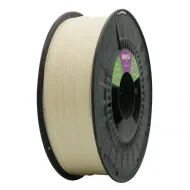
This pack contains 600 g of 1.75 mm Natural filament and includes a PP adhesion primer. It is intended for prototypes, tooling, housings and engineering components; it requires a wear-resistant nozzle and a first layer prepared specifically for polypropylene.
What the glass fibre adds
- Higher stiffness: the nominal flexural modulus is 3400 MPa.
- Mechanical strength: the technical sheet states 65 MPa tensile strength under its test method.
- Low density: 1.03 g/cm³, useful for rigid components without unnecessary mass.
- Good thermal stability: nominal HDT of 155°C at 0.45 MPa.
- Resistance to moisture, corrosion and many chemicals: always validate the exact substance, concentration, temperature and load.
- Matte finish and stated UV stability for the material grade.
The fibre reduces the flexible behaviour associated with unfilled PP, but it does not make an FFF part isotropic. Orientation, layers, perimeters, temperature and inter-layer bonding still determine performance.
Nominal material properties
The following values come from Recreus' 2023 technical sheet and describe specimens tested under the stated methods. They are material-comparison references, not guaranteed design values for every FFF part.
| Property | Nominal value | Stated method |
|---|---|---|
| Glass-fibre content | 15% | Recreus MSDS |
| Density | 1.030 g/cm³ | ISO 1183 |
| Melt flow rate, 230°C / 2.16 kg | 12 g/10 min | ISO 1133 |
| Tensile strength | 65 MPa | DIN 53504-S2 |
| Elongation at break | 3% | DIN 53504-S2 |
| Flexural modulus | 3400 MPa | ISO 178 |
| Notched Charpy impact at 23°C | 5 kJ/m² | ISO 179 |
| HDT at 0.45 MPa | 155°C | ISO 75-2 |
The 155°C HDT is a test result under a specific load; it is not a universal continuous-service temperature. Geometry, orientation, stress, time and environment can reduce the usable limit of a printed part.
-1000x1000.webp)
Recommended print settings
| Hotend | 240–260°C | Tune within the range for the hotend, flow rate and layer bonding. |
|---|---|---|
| Speed | 30–60 mm/s | Do not apply the printer's advertised maximum speed directly. |
| Bed, general reference | 50–60°C | For a PP-compatible surface or adhesive; follow its instructions. |
| Bed with PP3D Primer | 40°C | Specific procedure described by Recreus. |
| Starting layer height | 0.20–0.25 mm | Values published in the TDS and official launch article. |
| Starting retraction | 2–3 mm at about 40 mm/s | Adapt for direct-drive or Bowden extrusion; this is not a universal recipe. |
| Nozzle | ≥ 0.50 mm, hardened | 0.6 mm is the prudent choice to reduce clogging risk. |
Wear-resistant nozzle
The 15% glass-fibre content is abrasive and can quickly wear a brass nozzle. Recreus specifies hardened steel or ruby and sets 0.50 mm as the minimum diameter. For a compatible V6-geometry hotend, the Trianglelab 0.6 mm A2 hardened-steel V6 nozzle provides a suitable outlet for this material.
Nozzle compatibility is not determined by thread alone: check length, sealing geometry, clearance, filament diameter and the hotend's tightening procedure. After changing to steel and 0.6 mm, set the correct diameter in the slicer and recalibrate flow, line width, retraction, Pressure/Linear Advance and maximum volumetric flow.
Using the included primer
- Apply an even coat only over the print area and on a compatible surface.
- Wait approximately 5 minutes for it to dry.
- Print with the bed at 40°C. Recreus advises against raising it during printing with this procedure because deformation may increase.
- After printing, the TDS instructs heating the bed to 85°C to aid release. The installed plate's safety and temperature instructions take priority; do not force the part.
PP has low affinity with many build surfaces. Cleanliness, first-layer setup, brim, geometry and protection from draughts remain important. An enclosure can help with large parts but does not replace a PP-specific adhesion system.
3D-printer compatibility
Compatibility is conditional on a 1.75 mm FFF printer able to hold 260°C, accept a hardened nozzle of at least 0.50 mm and use a PP-compatible surface or primer. A machine name alone does not guarantee compatibility.
- HPRO and Voron 2.4/Trident: can process the material with a suitable hotend, nozzle, bed and profile. Check the actual configuration of each build.
- Bambu Lab X1, P1 and A1: check the material and diameter of the installed nozzle, wear resistance along the feed path and availability of a PP-compatible plate/adhesive. No automatic profile or AMS compatibility is assumed.
- Prusa MK3/MK4/XL and Creality Ender/K1: viable when fitted with a compatible hardened nozzle, able to reach the temperature and prepared with a PP adhesion solution. Larger parts benefit from a protected enclosure.
Nozzles and drive gears are wear items when processing filled materials. Periodically inspect extrusion diameter, surface quality, play and dust around the drive system.
Applications and design limits
- Brackets, housings, covers and machinery components.
- Tooling, jigs and lightweight rigid functional prototypes.
- Automotive, marine, sporting or electronic parts after validation in their real environment.
- Components exposed to moisture or compatible chemicals after application-specific testing.
Structural or safety-related parts require specimens printed with the same machine, orientation, settings and ageing conditions intended for use. The material's stated UV stability also does not guarantee a particular outdoor lifespan.
Storage and safety
Keep the spool sealed, dry, protected from sunlight and below 60°C. Recreus does not publish a specific drying cycle in these sources; if moisture symptoms appear, use only a process compatible with PP and the spool.
Print with adequate ventilation and avoid inhaling vapours or dust from handling and wear. Molten polymer can cause burns. The material documentation does not automatically make a printed part suitable for food contact: nozzle contamination, porosity, migration and final use must be validated.
This is for you if
- You need a lighter part that is stiffer than unfilled PP and resistant to moisture.
- You have a hardened nozzle of at least 0.50 mm and can tune a dedicated profile.
- You can prepare the bed with the included primer and validate the finished component.
This is not for you if
- You want to print through a standard brass nozzle or an outlet below 0.50 mm.
- You need the flexibility, fatigue behaviour or living-hinge performance of unfilled PP.
- You want an easy-to-adhere material or certified final properties without testing the part.
Unfilled alternative
If flexibility, fatigue resistance and lower abrasiveness matter more than stiffness, see the 1.75 mm Recreus PP3D filament. Both are polypropylene materials, but they are not equivalent: PP·GF needs hardware and a profile appropriate for its glass reinforcement.
Package contents
- 1 × 600 g spool of 1.75 mm Natural Recreus PP·GF.
- Polypropylene adhesion primer.