

- Stock: Out of stock
- Model: Octopus-PRO-H446

Model:

Octopus Board

Octopus PRO F446 180MHz 512K Flash
Octopus PRO H723 550MHz 512K Flash
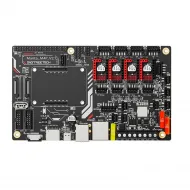
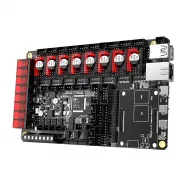
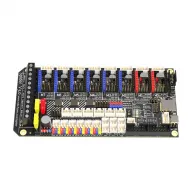
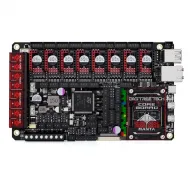
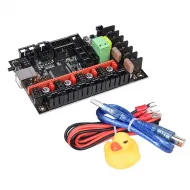
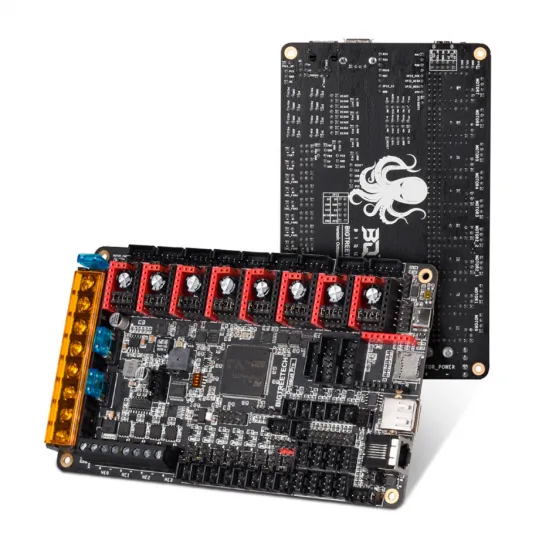
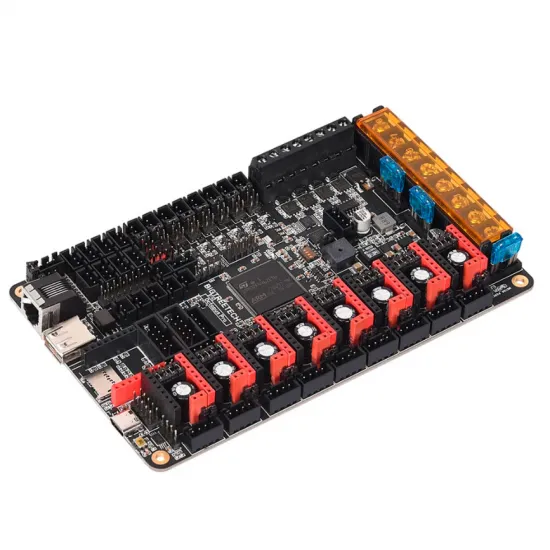
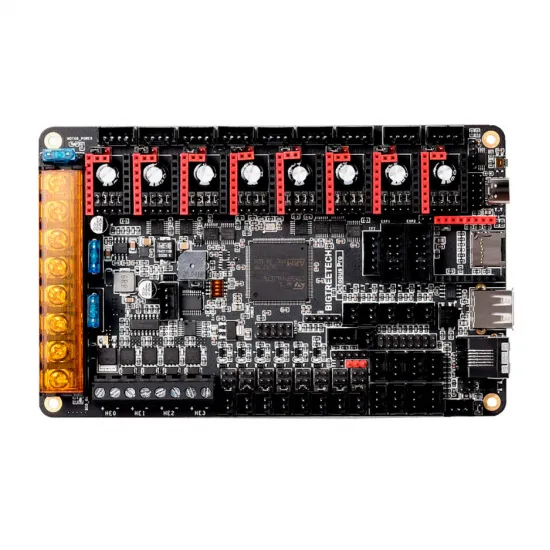
The BIGTREETECH Octopus Pro F446 is a 32-bit controller for 3D-printer projects that need many motors, outputs and expansion options. It uses an STM32F446ZET6 microcontroller running at 180 MHz with 512 KB of flash and provides up to eight independent, replaceable driver channels. It can be used in custom machines and Voron-inspired builds when the mounting, wiring and firmware are adapted to the specific printer.
Octopus Pro comes in different hardware revisions and with different microcontrollers. Check the revision printed on your board and the MCU marking before flashing firmware or following a pinout. Examples for a non-Pro Octopus, an STM32H723 board or another Octopus Pro revision are not interchangeable.
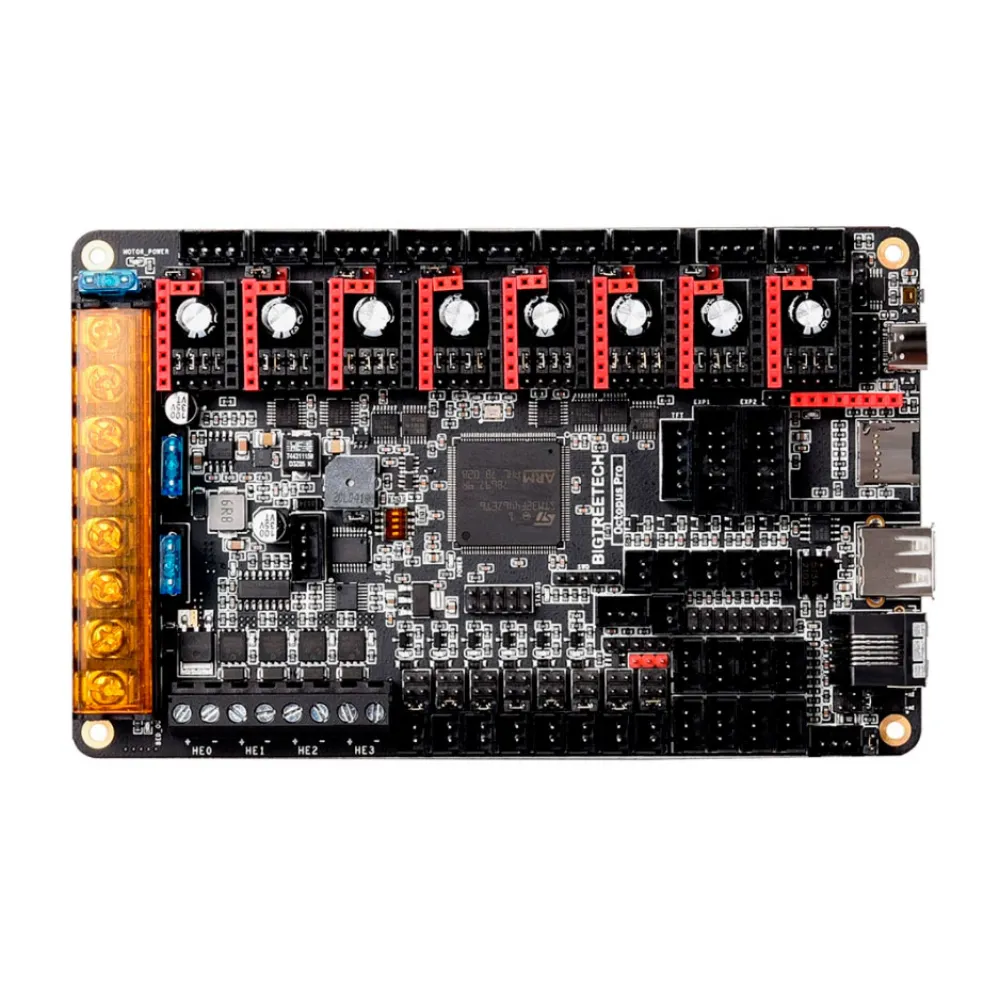
Connections and capabilities
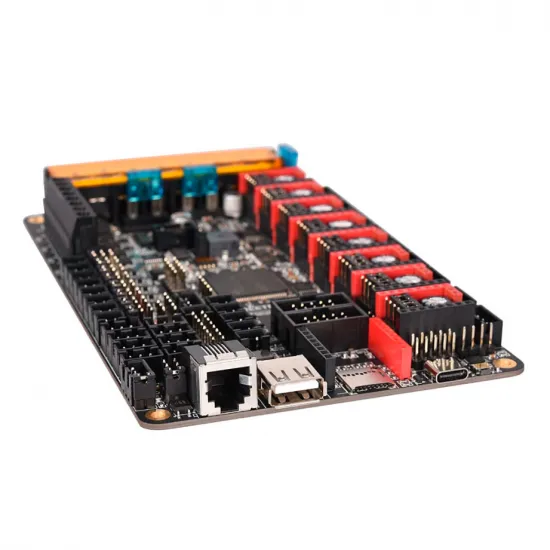
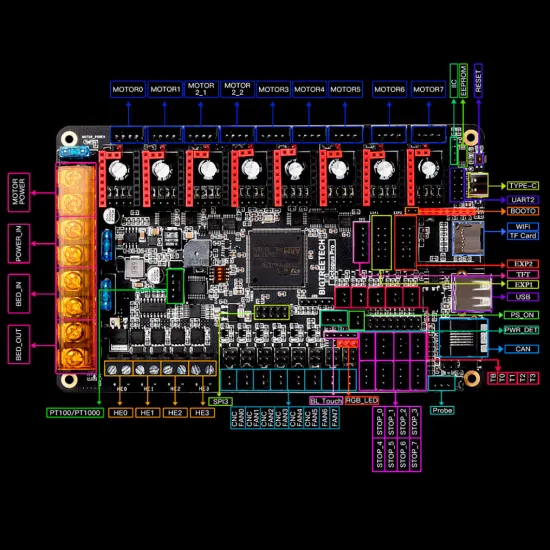
- Eight independent drivers: MOTOR0 to MOTOR7 sockets for suitable STEP/DIR, UART or SPI modules according to driver type and jumper placement. There are nine motor connectors because MOTOR2_1 and MOTOR2_2 share one driver; they are not two independently adjustable Z channels.
- Heating: four hotend outputs HE0–HE3 and a heated-bed output with separate bed power input. Loads must be matched to the power supply, fuses, terminals, wiring and board limits.
- Cooling: six controllable fan outputs and two direct-power fan connections. Jumpers select the supply voltage of certain outputs; check every fan's voltage before connection.
- Temperature: TB and T0–T3 for NTC sensors, plus an integrated MAX31865 interface for PT100/PT1000. A PT100/PT1000 is not configured as an NTC thermistor: wiring, DIP switches and firmware parameters must match. For NTC inputs, “100K” alone does not identify the sensor curve either.
- Probes and expansion: opto-isolated PROBE connector for suitable NPN/PNP probes, a separate BLTouch connection, six endstop inputs, two filament-detection inputs and display, RGB, SPI, I²C, UART and CAN connections depending on revision. Probe compatibility depends on voltage, output logic, jumpers and pin assignment.
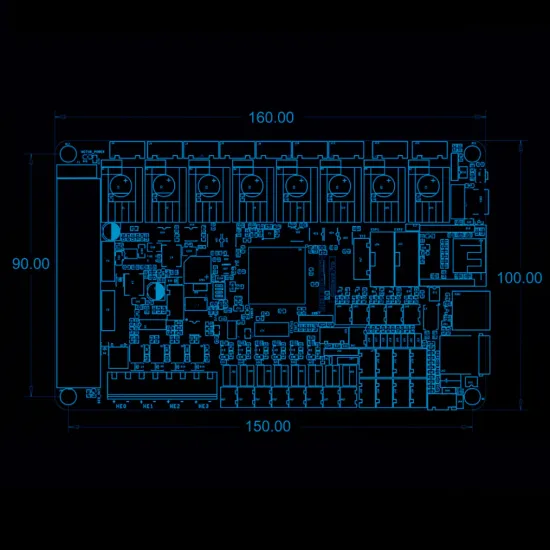
- Size: 160 × 100 mm board with 150 × 90 mm mounting-hole centres. Also allow room for drivers, heatsinks, connectors and cable bends.
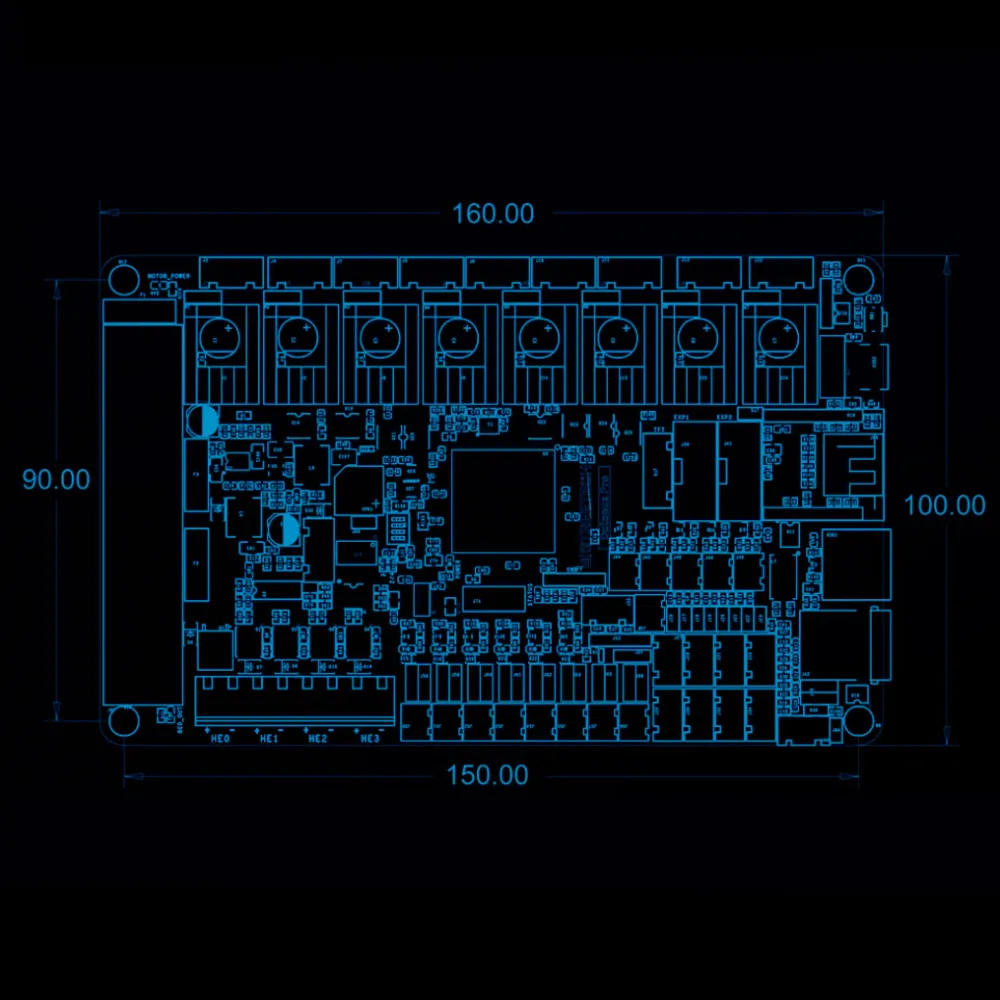
Power inputs and driver choice
The board separates its main logic/output supply, MOTOR_POWER input and heated-bed input. BIGTREETECH recommends 15–28 V DC for the main input, and documents 12–60 V for motors and 12–28 V for the bed. The 60 V range applies only to the motor input with drivers and associated parts rated accordingly; it does not extend to the bed, hotends or fans.
A jumper selects main power or MOTOR_POWER for each driver. Before inserting a TMC2209 or another non-high-voltage driver, check the jumper for that socket and the actual supply voltage. Install modules only with all power removed, confirming their orientation, UART/SPI/STEP-DIR mode, current settings and cooling. Never alter jumpers or wiring while any input is live.
Klipper and Marlin setup
Klipper: the Octopus Pro is a microcontroller board, so a separate Linux host, such as a Raspberry Pi or another suitable computer, is required. For the STM32F446 version, BIGTREETECH's reference file specifies a 32 KiB bootloader and 12 MHz crystal when compiling firmware, generally for USB communication. After flashing, use the pin map for the actual PCB revision and adjust motors, sensors, travel, limits and fans for your printer. Example configuration values are not safe defaults for every machine.
Marlin: a printer-specific build is also necessary. In the consulted Marlin branch, BOARD_BTT_OCTOPUS_PRO_V1_0 covers F446/F429, while BOARD_BTT_OCTOPUS_PRO_V1_1 is associated with H723. Therefore, do not select “V1.1” merely because an older listing says so: identify the MCU and PCB revision first. An actual V1.1 F446 board may require a tailored pin map rather than an off-the-shelf board setting. Verify HE0 and HE2 in particular before enabling heaters, as their pins change between revisions.
BIGTREETECH recommends updating from microSD with a binary named firmware.bin and checking that it becomes FIRMWARE.CUR after a successful flash. Direct DFU programming may overwrite the bootloader. The official Octopus Pro repository documents revision differences and hardware resources.
Is it right for you?
Choose it if you need up to eight independently controlled motors, multiple hotend and cooling outputs or a configurable controller for a custom printer. It can be integrated into Voron 2.4 or Trident projects after checking the mount, power, drivers and configuration. Choose something else if you need a drop-in replacement without rewiring or compiling firmware, intend to feed the logic or bed directly with 60 V, or expect an H723 configuration to work unchanged on an F446.