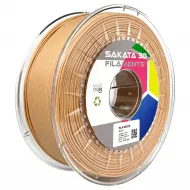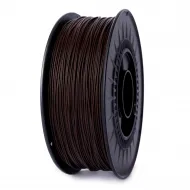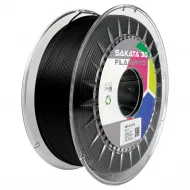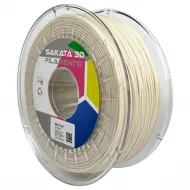


- Stock: 12
- Model: 70A-Filaflex-Ultra-Soft

Model:

95A Medium-Flex

82A FIlaflex

70A Filaflex UltraSoft

Filaflex 60A PRO
Recreus Filaflex 70A Ultra-Soft is a 1.75 mm TPU filament made in Spain for printing extremely soft, elastic parts with reliable shape recovery. Its 70 Shore A hardness gives it a silicone-like feel, although the material is a thermoplastic polyurethane rather than silicone.
Recreus specifies elongation at break of up to 900%. This flexibility suits seals, buffers, protectors, grippers, soles, insoles, textiles and ergonomic prototypes, but it also requires a better-prepared extruder and profile than conventional 95A TPU.
Main properties
| Property | Value | Reference |
|---|---|---|
| Material | TPU, flexible thermoplastic polyurethane | Recreus |
| Hardness | 70 Shore A | ISO 7619-1 |
| Elongation at break | Up to 900% | ISO 37 |
| Tensile strength | 30 MPa | ISO 37 |
| Density | 1.08 g/cm³ | ISO 1183-1-A |
| Abrasion loss | 45 mm³ | ISO 4649-A |
| Diameter | 1.75 mm | HTA3D format |
| Net weight | 500 g | HTA3D format |
Mechanical properties refer to the material or standard test specimens. A printed part may perform differently depending on orientation, moisture, temperature, perimeters, infill, geometry and layer bonding.
Available colours
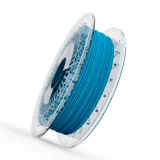
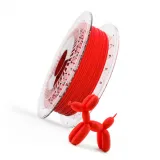
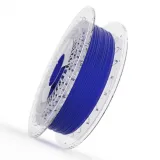
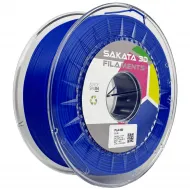
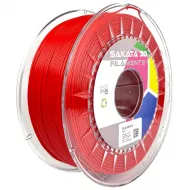
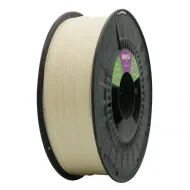
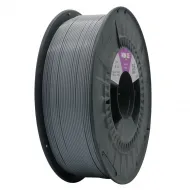
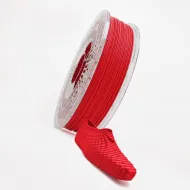
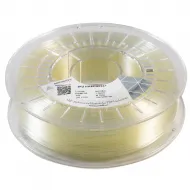
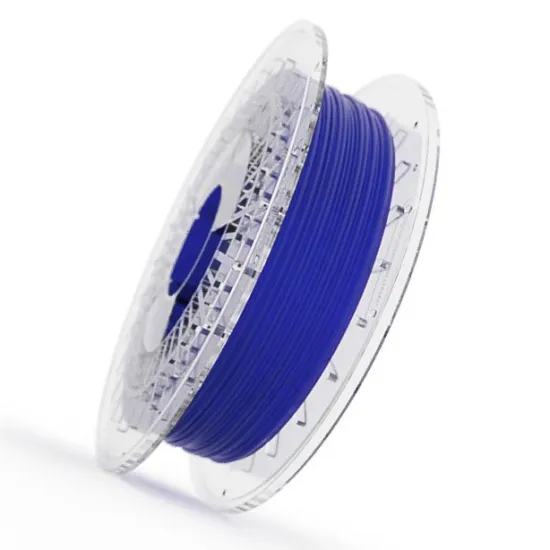
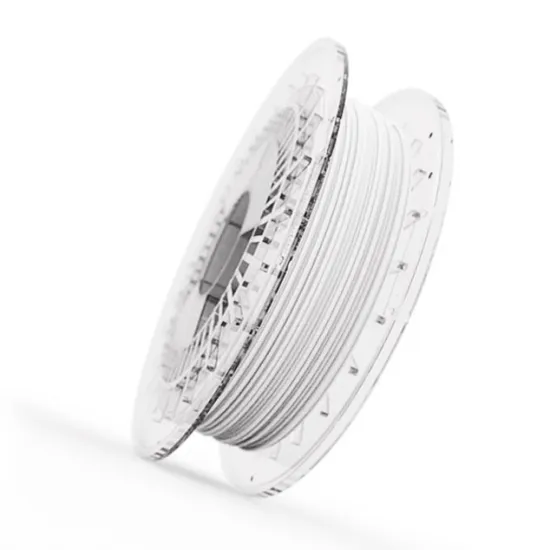
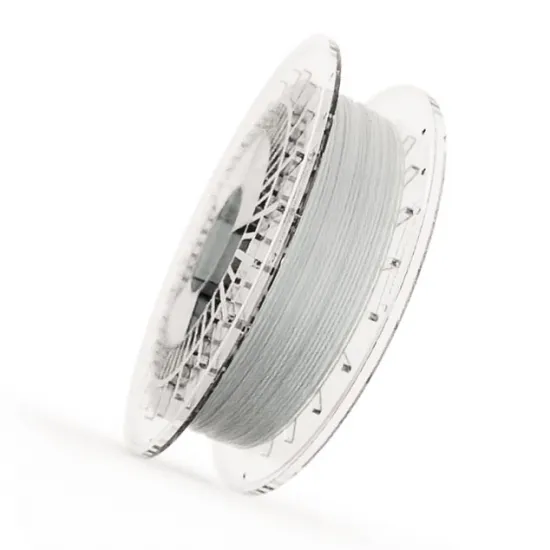
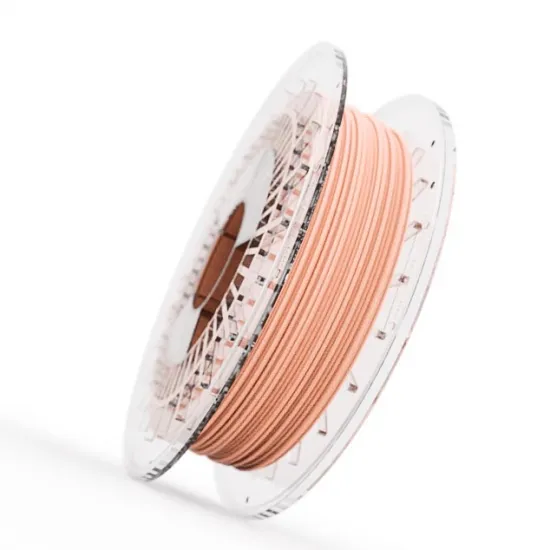
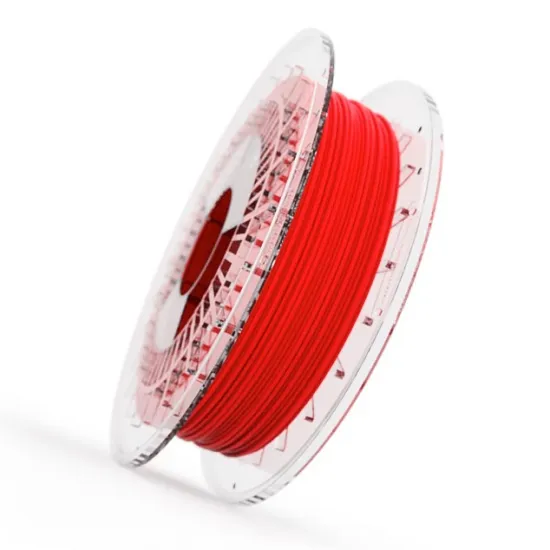
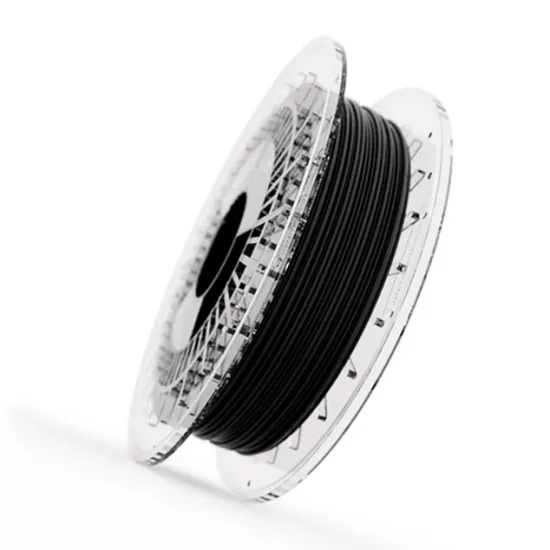
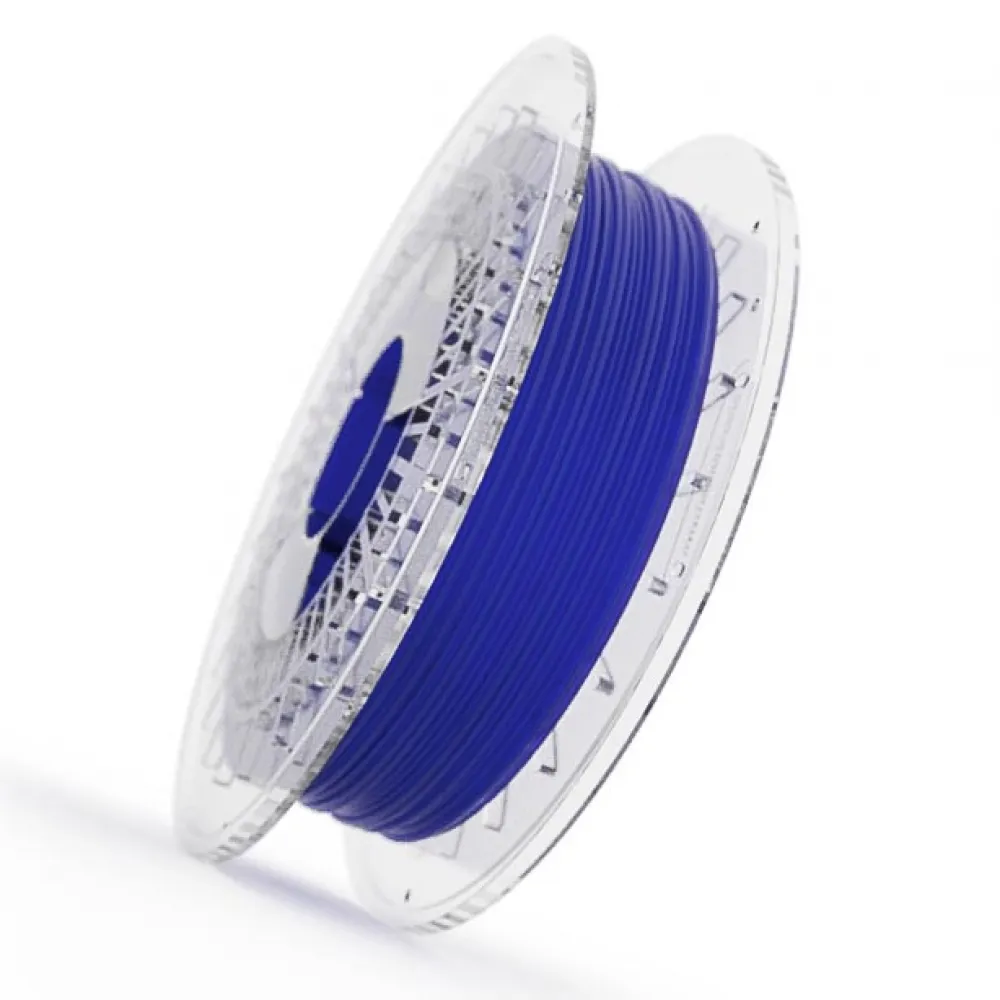
This product is available in white, translucent, red and dark blue. All options are 1.75 mm filament on a 500 g spool. Availability may vary; select the required colour before adding the product to the cart.
Current Recreus starting parameters
Recreus publishes the following starting points. A volumetric flow limit maintains similar extrusion when nozzle, layer height or line width changes. Tune each value on the actual printer and reduce flow if feeding becomes inconsistent.
| Nozzle | Layer | Line width | Initial flow | Temperature |
|---|---|---|---|---|
| 0.4 mm | 0.20 mm | 0.35 mm | 2.5 mm³/s | 240 °C |
| 0.6 mm | 0.30 mm | 0.55 mm | 5.6 mm³/s | 240 °C |
| 0.8 mm | 0.40 mm | 0.75 mm | 10.0 mm³/s | 240 °C |
| 1.0 mm | 0.50 mm | 0.95 mm | 15.6 mm³/s | 240 °C |
For reference, these settings produce approximately 16-18 mm/s for external perimeters, 25-27 mm/s for internal perimeters and 33-36 mm/s for infill. Do not copy a linear speed without retaining its associated layer height and line width.
- Drying: 55 °C for at least one hour before printing.
- Bed: room temperature for small parts or 45-50 °C for large parts.
- Cooling: normally 0%, including the first layer; up to 40% for layers shorter than 10 seconds if required.
- Initial retraction: 1.8-2.8 mm at 35 mm/s with a 0.4 or 0.6 mm nozzle; tune it for the actual path and avoid excessive retraction.
- Travel: use a high but safe and validated travel speed to reduce oozing time between moves.
Extruder and filament path
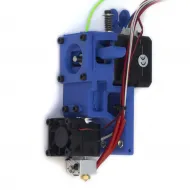
Filaflex 70A works best with direct drive. The path between drive gears and hot zone should be short and fully constrained: any gap may allow the filament to compress, buckle or escape sideways.
- Start with moderate idler pressure; excessive force may deform the TPU.
- Reduce speed or acceleration if flow oscillates or the drive gears begin to chew the filament.
- Check that the nozzle is clean before loading it.
- Avoid tight bends and friction at the spool holder or inlet guide.
- A Bowden configuration is not recommended for this 70A grade.
Compatibility with specific printers
Recreus provides starting profiles for Bambu Lab P1P/P1S, X1/X1C/X1E, A1/A1 mini, P2S, H2S and H2D, plus Original Prusa MK4/MK4S, CORE One/CORE One+/CORE One L and Prusa XL. These profiles support use with those families, but must still be reviewed for nozzle, machine revision and feeding route.
Other direct-drive printers —for example, an Ender 3 S1 with Sprite or direct-drive VORON and other CoreXY toolheads— may work when the filament path is properly constrained and the profile is carefully tuned. This is conditional compatibility, not an official Recreus profile.
Automatic loading and multi-material systems may not handle such a soft TPU. Use a direct external feed unless the feeder manufacturer explicitly confirms support for 70A TPU.
Official video: printing on Bambu Lab P1P/P1S
Controlling finished-part flexibility
Shore hardness describes the material, but final feel also depends on design. Thin walls, fewer perimeters and low infill produce highly deformable parts; increasing wall thickness, perimeters or infill raises compression resistance. Print several specimens using the actual geometry before finalising a functional design.
Applications
- Soft seals, buffers, dampers and protectors.
- Grippers, suction components and soft-robotics parts.
- Insoles, soles, footwear and ergonomic prototypes.
- Textiles, accessories and parts that must stretch and recover.
- Anatomical models and non-implantable medical prototypes, subject to appropriate validation.
Chemical resistance depends on substance, concentration, temperature, time and load. Do not assume suitability for fuel, solvents, pressure, food contact or medical use without specific tests and documentation for the finished product.
Storage and troubleshooting
- Bubbles, popping or rough surface: dry the filament and avoid leaving the spool exposed to moisture.
- Irregular extrusion: check the nozzle, guide and idler pressure, then reduce volumetric flow.
- Stringing: dry first; then tune temperature, retraction and travel.
- First layer bonds too strongly: reduce squish; adhesive is normally unnecessary.
- Storage: keep the spool sealed, dry, with desiccant and away from heat and direct light.
Choosing within the Filaflex range
- Filaflex 95A Medium-Flex: the firmest and easiest grade to feed.
- Filaflex 82A Original: greater elasticity with intermediate difficulty.
- Filaflex 70A Ultra-Soft: very soft and elastic, requiring a well-guided direct-drive path.
- Filaflex 60A PRO: softer and more demanding, for specially prepared setups.
It is for you if
- You need a substantially softer and more elastic part than standard 95A TPU.
- Your printer has direct drive and a short, constrained filament path.
- You can dry the material and spend time tuning flow, retraction and part design.
It is not for you if
- You want the easiest flexible filament to print or very high precision in tiny details.
- Your printer uses a long Bowden tube or leaves gaps between the drive gear and hotend.
- You need automatic compatibility with an AMS, MMU or other feeder that does not state support for 70A TPU.