


- Stock: 3
- Model: Metal-Hotend-TZ-X-P

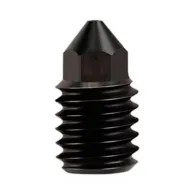
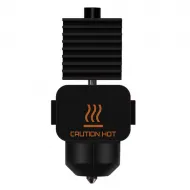
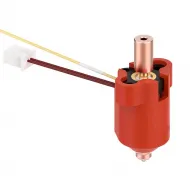
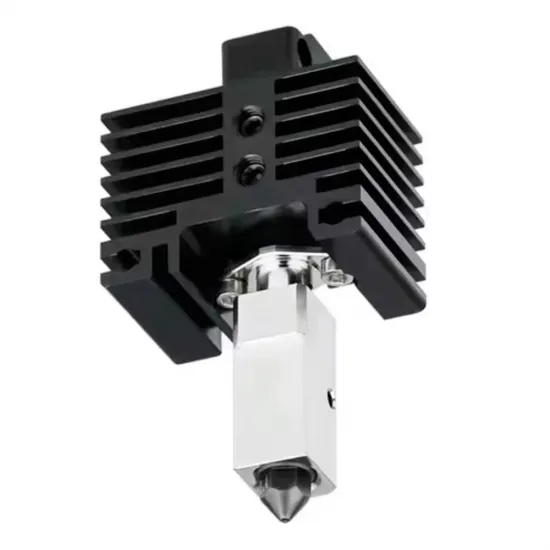
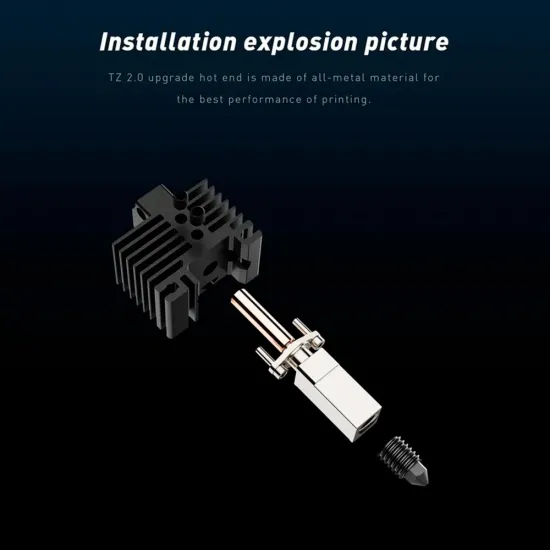
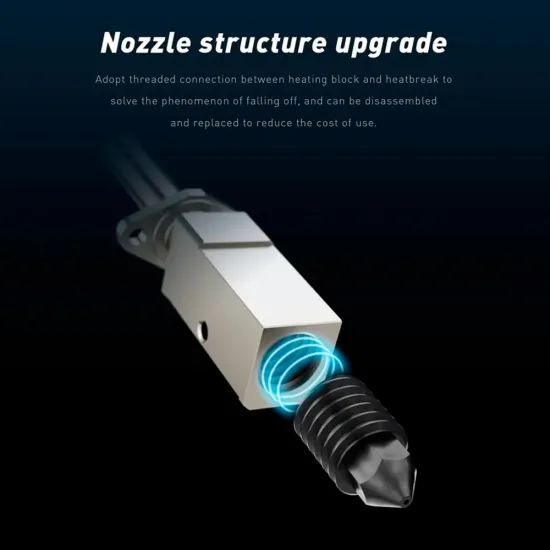
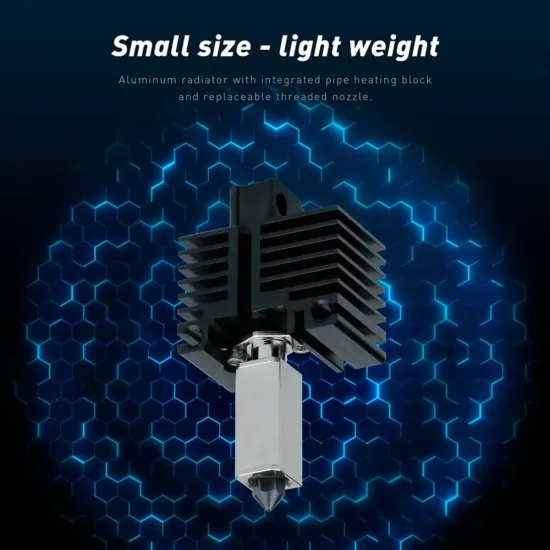
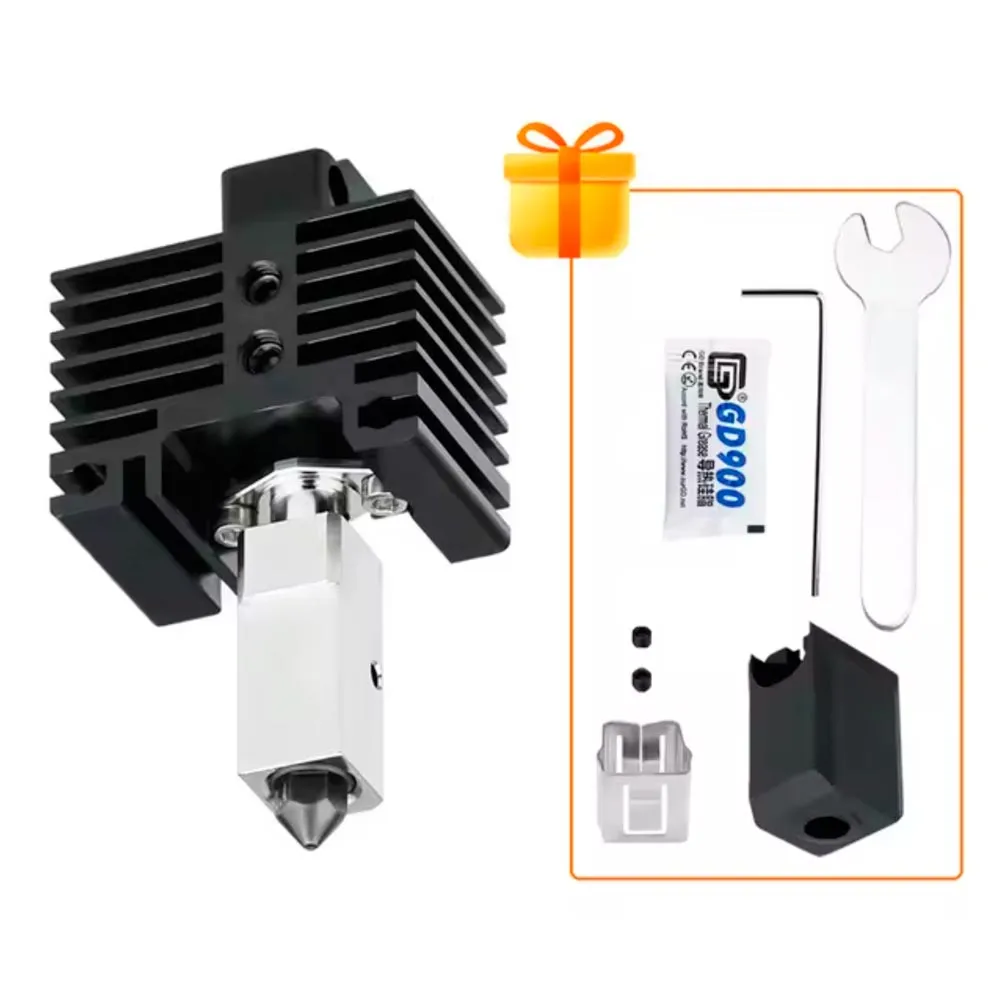
TZ 2.0 all-metal hotend for Bambu Lab X1, X1C, P1P and P1S, designed as an alternative to the original integrated hotend body. Its main service advantage is a threaded replaceable nozzle: if the nozzle becomes worn or damaged, it can be changed without replacing the complete hotend body.
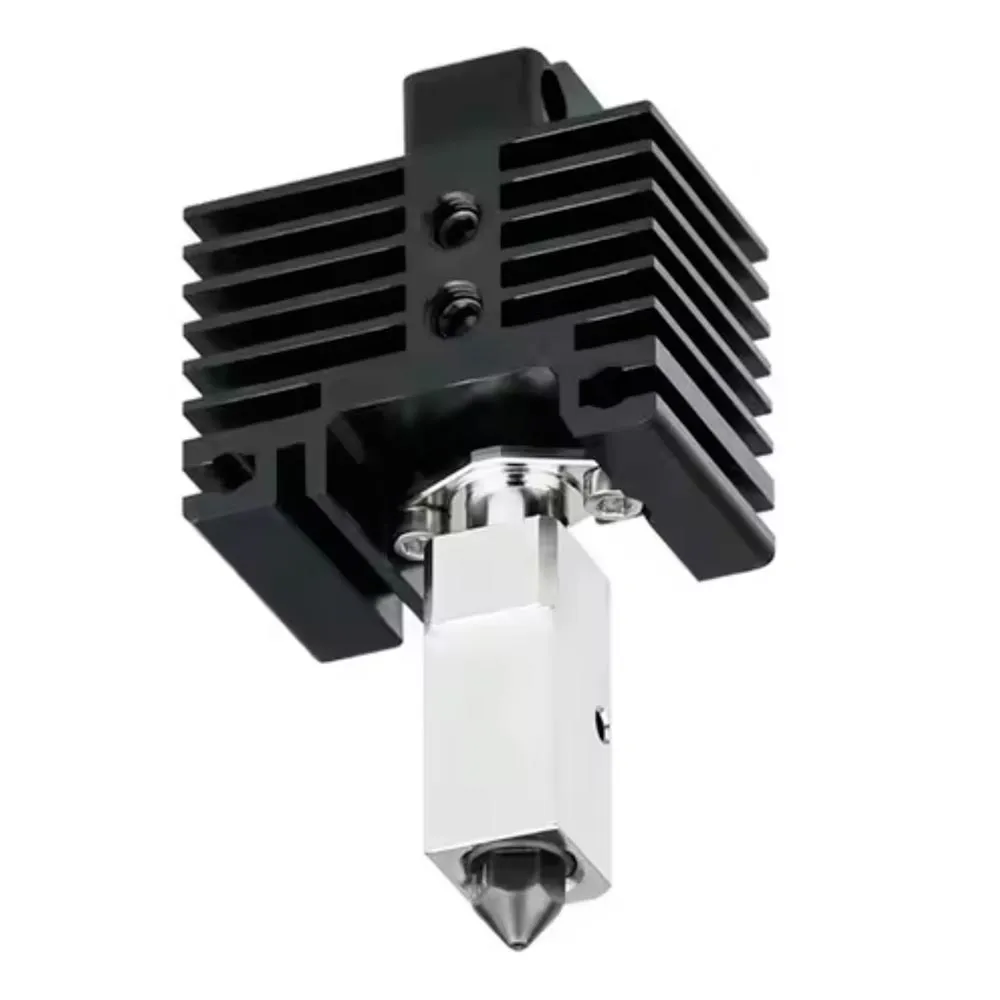
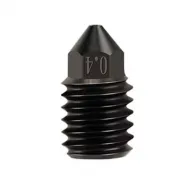
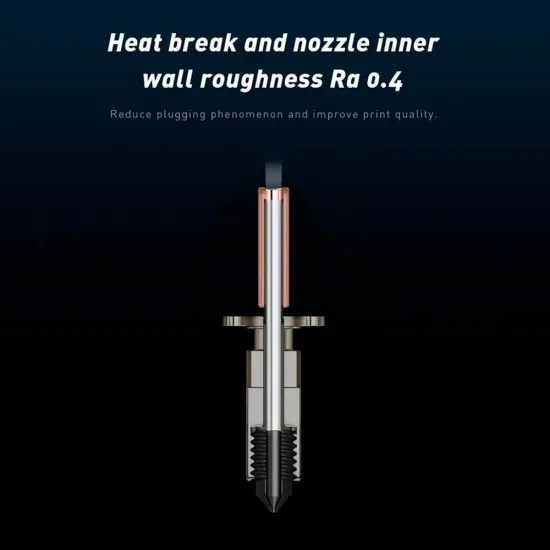
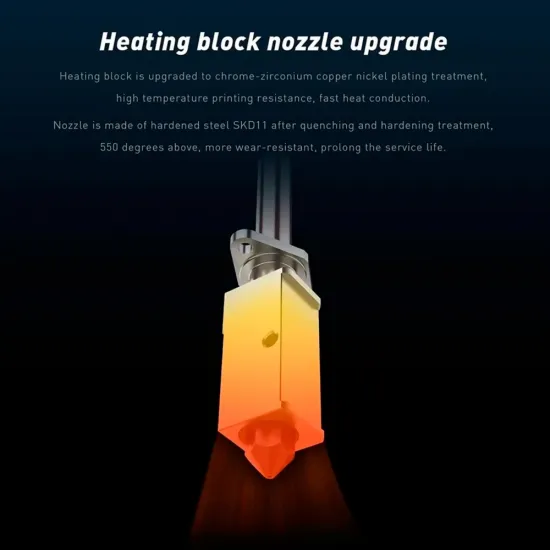
The assembly combines an aluminium heatsink, nickel-plated chromium-zirconium copper heater block and a 0.4 mm hardened-steel nozzle. It is intended both for easier maintenance and for potentially abrasive filaments, provided that the material manufacturer permits a 0.4 mm outlet.
Main advantages
- Replaceable nozzle: only the wear part needs to be renewed.
- Hardened steel: provides greater wear resistance than a conventional brass nozzle.
- Nickel-plated chromium-zirconium copper block: combines effective heat transfer with surface protection.
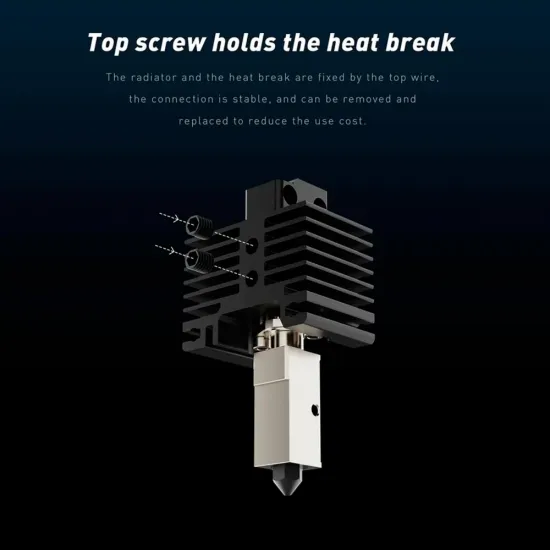
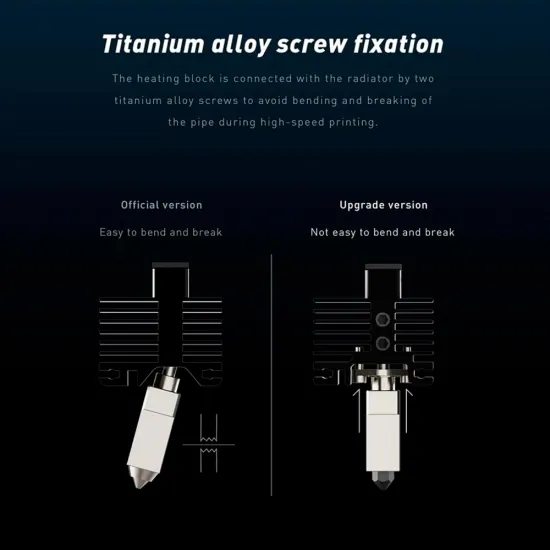
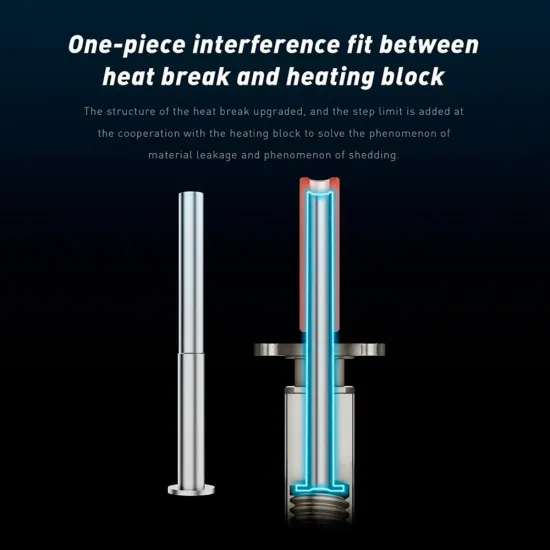
- Reinforced structure: two screws join the block to the heatsink and reduce mechanical load on the heatbreak.
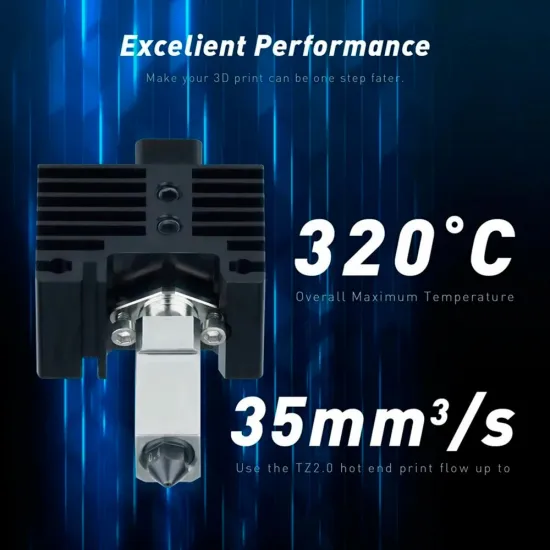
- Stated flow of up to 35 mm³/s: a maximum reference that must be validated with each material, temperature, nozzle, extruder and profile.
Technical specifications
| Type | TZ 2.0 all-metal hotend body with replaceable nozzle |
|---|---|
| Filament | 1.75 mm |
| Stated compatibility | Bambu Lab X1, X1C, P1P and P1S |
| Included nozzle | Threaded, replaceable, hardened steel, 0.4 mm outlet |
| Heatsink | Aluminium |
| Heater block | Nickel-plated chromium-zirconium copper |
| Stated hotend-body maximum | 320 °C; when installed in the listed X1/P1 printers, do not exceed the printer's 300 °C limit or the lowest-rated component |
| Stated volumetric flow | Up to 35 mm³/s, subject to material, temperature, nozzle, extruder, cooling and profile |
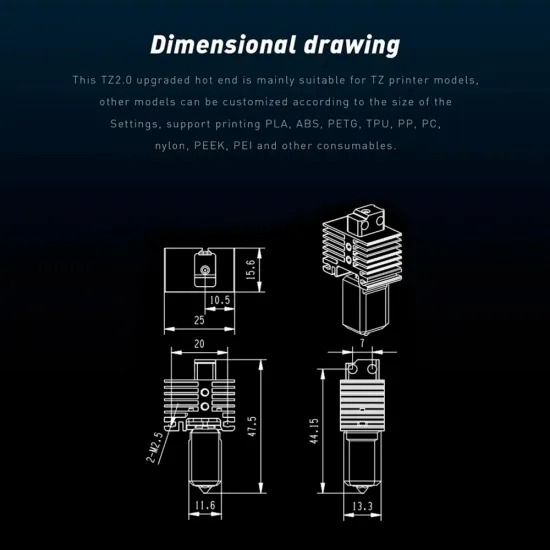
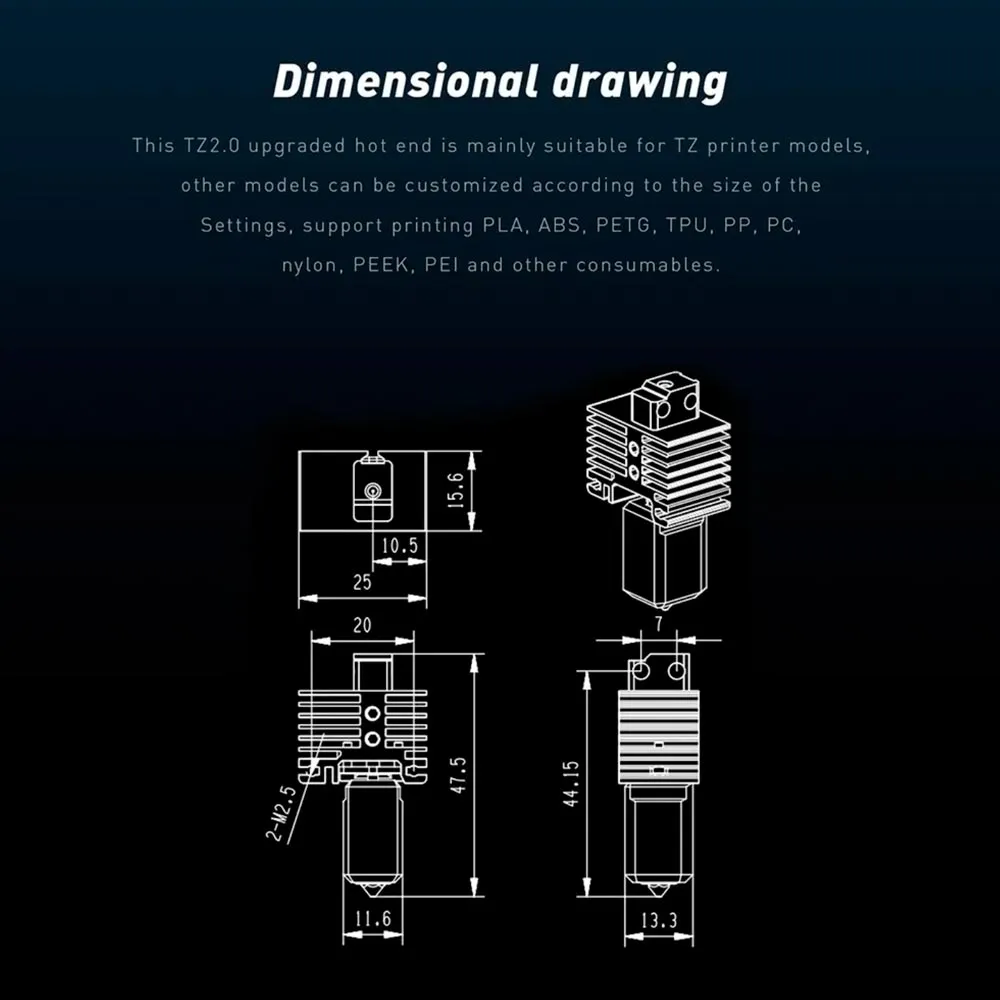
| Approximate outer dimensions | 47.5 mm high, 20 mm front width and 25 mm maximum depth |
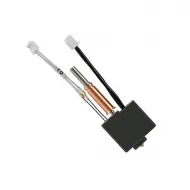
| Electrical parts | Heater, temperature sensor and fan not included |
Bambu Lab X1 and P1 compatibility
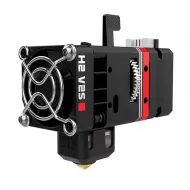
The body is offered for X1, X1C, P1P and P1S. Compatibility refers to the hotend's mechanical format; electrical parts, connectors and removal procedures may differ between X1 and P1 machines. The heater, sensor and fan suitable for the exact printer version must be retained or purchased separately.
Compatibility with A1, A1 mini, X1E or other generations is not claimed merely from visual similarity. Always verify the exact printer model before installation.
For compatible X1/X1C configurations, see the 24 V, 48 W ceramic heater for X1/X1C hotends. Do not automatically transfer that compatibility to a P1 printer: shape, voltage, power, wiring and connector must all match the machine.
Replaceable nozzle and abrasive materials
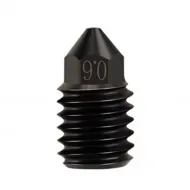
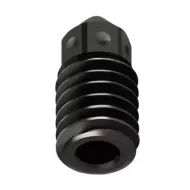
The included nozzle is hardened steel with a 0.4 mm outlet. This construction is useful when longer service life is required with filled or abrasive filaments, but wear resistance alone does not guarantee that every material can be processed.
For carbon-fibre, glass-fibre or coarse-particle filaments, check the minimum nozzle diameter recommended by their manufacturer. A 0.6 mm nozzle is often recommended for filled materials to reduce clogging risk. To retain the original diameter, a dedicated 0.4 mm hardened-steel replacement nozzle for this TZ 2.0 hotend is available.
Dimensions and kit contents
The drawing shows an approximate overall height of 47.5 mm, a 20 mm front width and a maximum depth of 25 mm. The lower block is approximately 11.6 × 13.3 mm. These dimensions help when checking clearances, ducts and nozzle-tip position, but they do not replace verification on the exact printer revision.
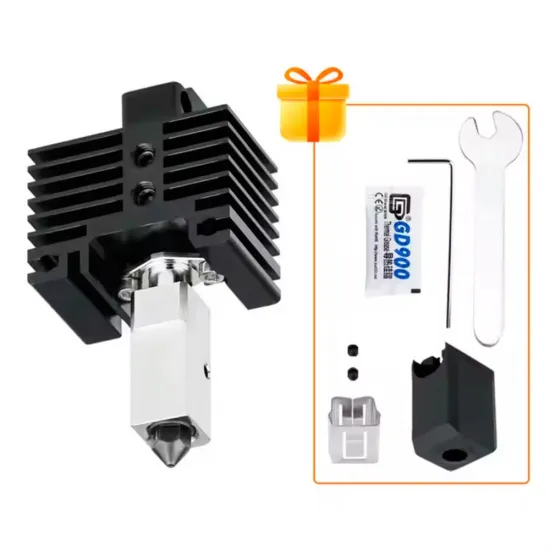
- 1 TZ 2.0 hotend body with installed 0.4 mm hardened nozzle.
- 1 silicone sock.
- 1 container of thermal paste.
- 1 open-ended spanner and 1 hex key.
- 2 spare set screws and the retaining part shown in the image.
Heater, thermistor and fan are not included.
Installation and commissioning
- Unload the filament, allow the printer to cool, switch it off and unplug it before starting work.
- Follow the removal procedure for the exact model and revision. Never pull a connector by its wires.
- Install or transfer only the correct heater, sensor and fan for the machine. Make sure they are secured and that their wiring cannot rub against moving or hot parts.
- Before heating, confirm that the sensor reports a plausible room temperature.
- Supervise the first heat-up and verify stable control, heatsink cooling, extrusion and absence of leakage.
- Select the actual installed nozzle diameter in the slicer, then recalibrate the first layer, flow and dynamic parameters where applicable.
When changing the nozzle, hold the block with a suitable tool and follow the hotend's thermal procedure. Do not rotate the nozzle while transferring load to the heatbreak or wires. There is no safe universal torque for every combination: use the procedure suitable for this architecture and avoid both an inadequate seal and excessive tightening.
Temperature and flow: interpreting the maximum figures
The 320 °C figure is the stated maximum for the component body, not permission to raise the printer's limit. On X1/X1C/P1P/P1S printers, observe the machine's 300 °C maximum and, in any installation, the lowest limit among the sensor, heater, connectors, wiring, cooling, toolhead, firmware and material.
Likewise, 35 mm³/s is a stated maximum, not a guaranteed speed. Start with a conservative volumetric-flow limit and raise it through flow and quality testing with the actual filament, temperature and profile.
This is for you if
- You own a Bambu Lab X1, X1C, P1P or P1S and want a hotend body with a replaceable nozzle.
- You want to avoid replacing the complete hotend when only the nozzle is worn.
- You need a 0.4 mm hardened nozzle and can validate the material you intend to use.
- You can retain or install the correct electrical parts for your printer version and perform the required post-installation checks.
This is not for you if
- You require a complete electrical assembly ready to plug in.
- Your printer is an A1, A1 mini or another model not expressly listed.
- You need to exceed the thermal limits defined by the printer.
- You intend to fit a generic nozzle without checking its geometry, sealing face and compatibility.