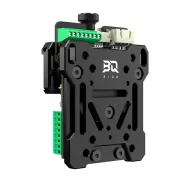


- Stock: 12
- Model: CHC-b3950-24V

Model:

CHC B2950 24V

CHC PRO B2950 24V
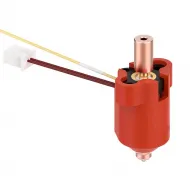
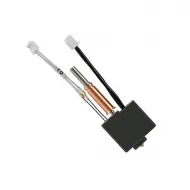
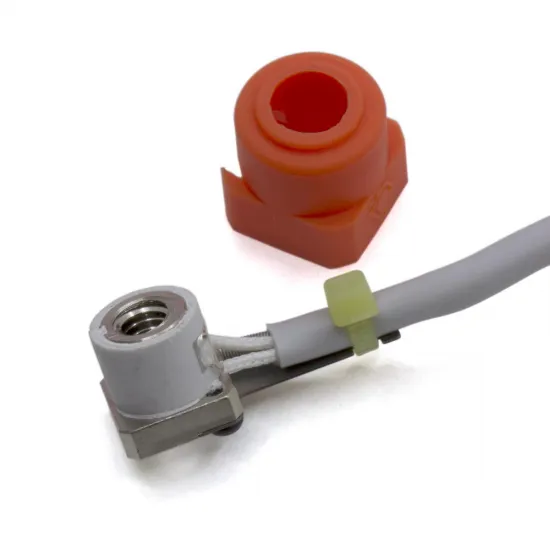
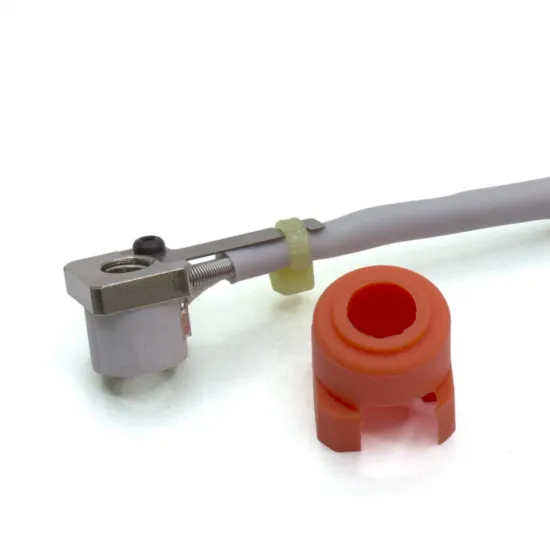
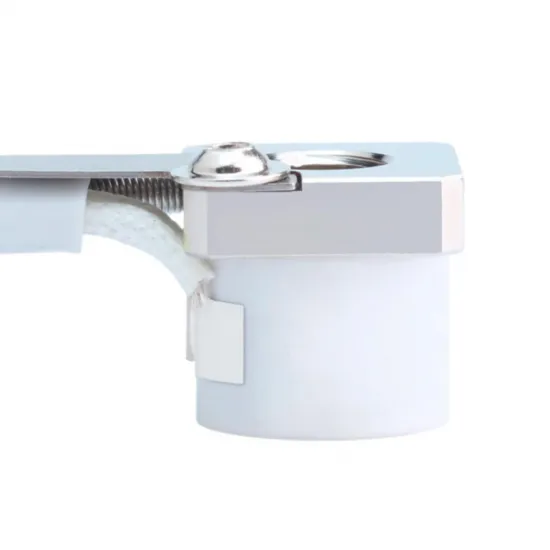
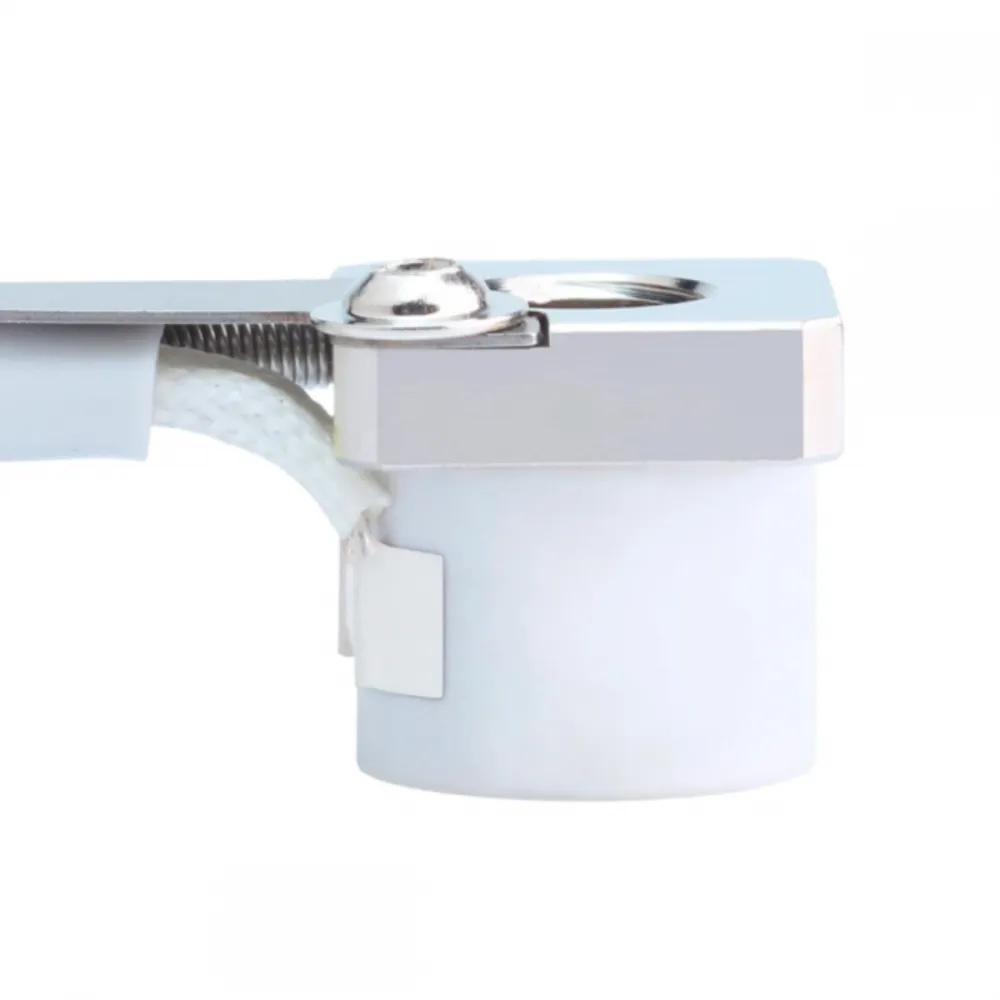
Trianglelab 24 V CHC ceramic heater core with an integrated NTC 100K B3950 thermistor. It replaces the separate block, heater cartridge and sensor with a compact assembly that heats in a ring around the melt zone. It is particularly useful for compatible V6 assemblies and conversions where low volume and concentrated heat transfer are required.
This is the B3950 version. Trianglelab specifies Marlin table 1 and Generic 3950 in Klipper; it must not be configured as the older 104NT-4 version.
Technical data
| Feature | Value | Practical meaning |
|---|---|---|
| Supply | 24 V DC | Connect only to a 24 V system with a suitable output, wiring and PSU |
| Cold resistance | 9–10 Ω at room temperature | Approximately 57.6–64 W and 2.40–2.67 A at 24 V |
| Integrated sensor | NTC 100K B3950 | The correct curve must be selected in firmware |
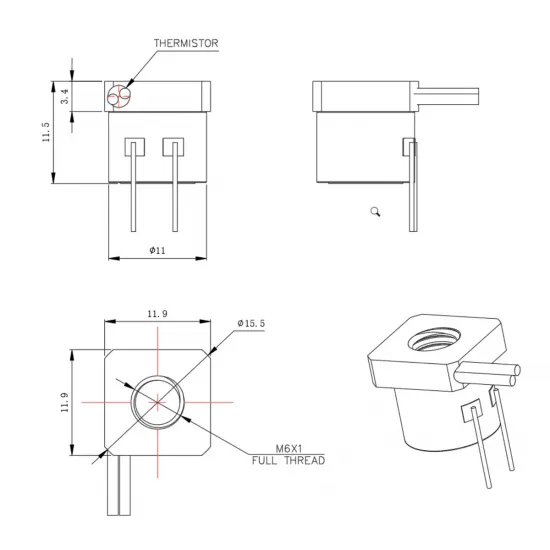
| Central thread | Through M6 × 1 | Nozzle and heatbreak require the correct complete geometry and must seal against each other |
| Approximate dimensions | Ø11 × 11.5 mm body; 11.9 × 11.9 mm head | Check clearance, mount, duct and cable exit |
| Declared maximum | Up to 300 °C | This is a component ceiling, not a normal target or an automatic limit for the complete hotend |
Current and power are nominal results calculated from the official resistance range. Actual resistance changes with temperature, contacts and meter accuracy. Measure it only while the machine is disconnected.
What a CHC provides
The ceramic ring surrounds the melt zone and provides 360-degree heating. The thermistor is also integrated close to the filament path, resulting in a compact, responsive assembly. Trianglelab notes that the reading is taken where the sensor is embedded and is not the internal temperature of the heating element.
This architecture may improve the thermal capacity of a correctly configured hotend, but it does not guarantee a particular speed or flow rate by itself. Nozzle, heatbreak, extruder, material, temperature, cooling and slicer profile still define the actual limit.
Compatibility
Trianglelab lists V5/V6 and CR-10 hotends, Hemera, Matrix, Titan Aero and DDB-V6 kits. This does not make the core a drop-in replacement for every printer using one of those names: nozzle and heatbreak thread and length, sealing point, mount, height, part-cooling duct, probe, cable clearance and electrical capacity must all match.
Creality Ender-3/CR-10, Original Prusa, Voron and Rat Rig families normally use it as part of a specifically designed hotend or toolhead. Check the exact design and revision; sharing an M6 thread alone does not establish compatibility.
Kit contents
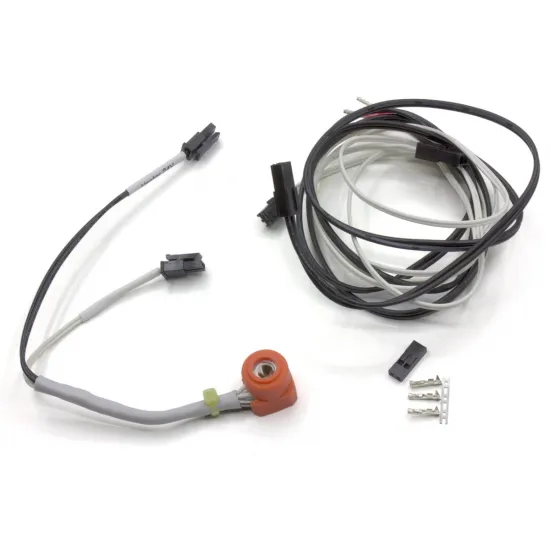
- Trianglelab 24 V CHC B3950 heater core.
- Integrated NTC 100K B3950 thermistor.
- Insulating silicone sock.
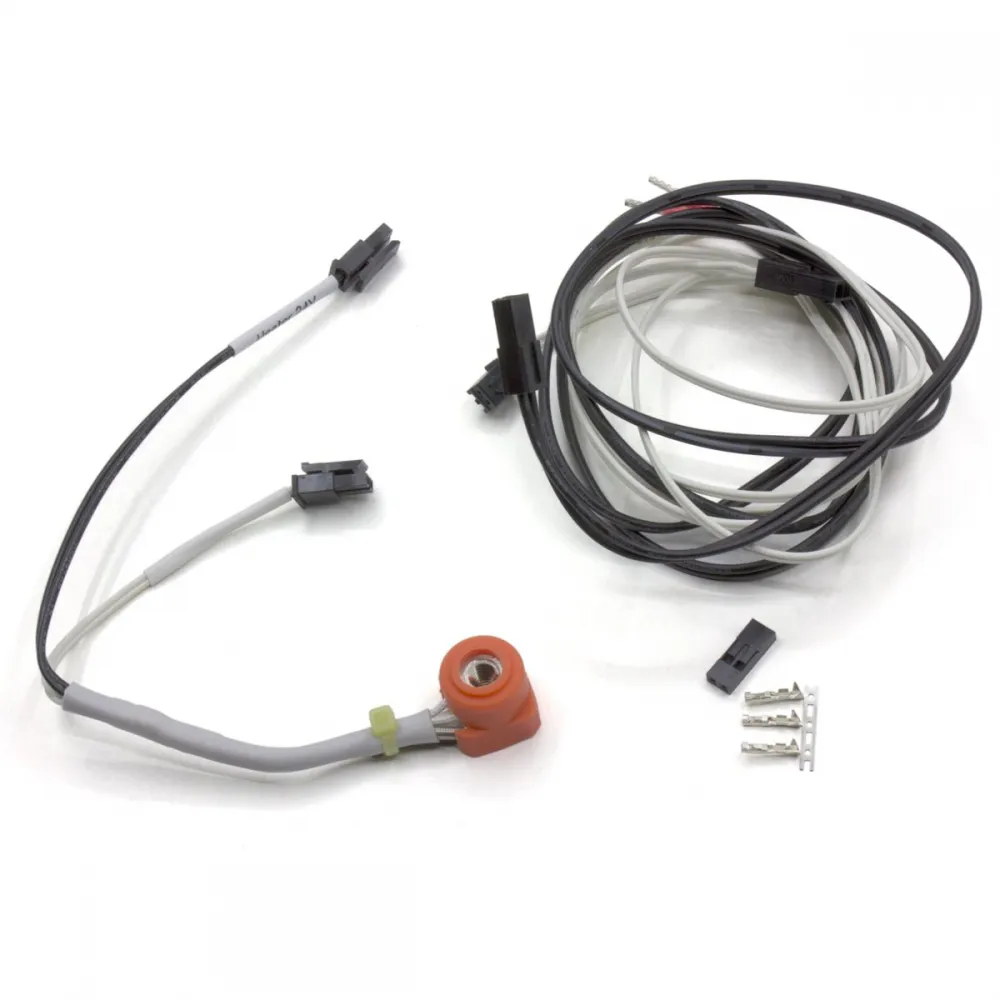
- Heater and sensor extensions as shown in the kit photographs.
Always compare the connectors and pinout with the controller before applying power. A physically mating connector does not confirm polarity, function or current capacity.
Assembly and first power-up
- Disconnect power and confirm that the system is 24 V. Measure cold resistance and identify heater and sensor pairs separately.
- Confirm that nozzle and heatbreak use the intended geometry and seal against each other inside the thread, not against the outside of the core.
- Avoid impacts, torsion and leverage on the ceramic ring. Do not repeatedly bend the wires at their exit.
- Perform final tightening according to the hotend procedure while holding the appropriate metal section; never grip the ceramic or twist the cables.
- Fit the sock without trapping wires and verify that heatsink cooling runs continuously whenever required.
- Supervise the first heat-up. Check for a stable reading, leaks and correct thermal-protection operation.
- Recalibrate Z offset, temperature, retraction, flow, pressure/linear advance and volumetric flow before increasing speed.
Firmware configuration
- Marlin: Trianglelab specifies
#define TEMP_SENSOR_0 1. Keep thermal protection enabled. For PID, tune from room temperature with an adapted command such asM303 E0 C8 S220 U1, then useM500if EEPROM is enabled. - Klipper: use
sensor_type: Generic 3950and reviewsensor_pin,min_temp,max_tempand, where required,max_power. RunPID_CALIBRATE HEATER=extruder TARGET=220followed bySAVE_CONFIG. - RepRapFirmware 3: an adaptable example is
M308 S1 P"e0temp" Y"thermistor" T100000 B3950, before theM950command that associates the sensor with its heater. With the tool correctly defined, tune usingM303 T0 S220, review M307 and save withM500where appropriate.
Sensor numbers, pins, heaters, tools and temperatures are examples and must be adapted to the controller. Tuning can overshoot the target; supervise it after validating the installation and retain sufficient margin below the lowest thermal limit in the assembly.
This product is for you if
- You are building a compact CHC/V6-compatible hotend and can verify every interface.
- Your system is 24 V and the heater output can safely support about 2.4–2.7 A.
- You want an integrated heater and thermistor and are prepared to recalibrate firmware and profile.
This product is not for you if
- You need a universal drop-in replacement without checking mount, nozzle, heatbreak, wiring and firmware.
- Your printer is 12 V or the heater-output capacity is unknown.
- You require a long Volcano-style melt zone; consider the CHC Pro instead.
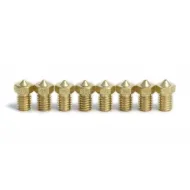
For a longer melt zone and higher potential flow, see the Trianglelab 24 V CHC Pro B3950, paying particular attention to its electrical demand. This compact format can be paired with a 0.4 mm Trianglelab V6 Brass nozzle when the complete hotend geometry matches.