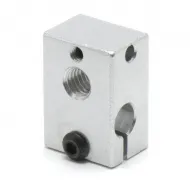


- Stock: 2
- Model: CHC-PRO-b3950-24V

Model:

CHC B2950 24V

CHC PRO B2950 24V
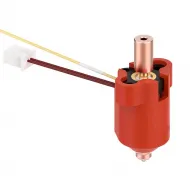
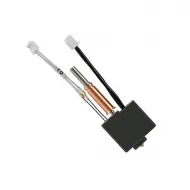
Trianglelab 24 V CHC Pro ceramic heater core with an integrated NTC 100K B3950 thermistor and a declared maximum power of 115 W. Its extended body creates a Volcano-type melt zone and surrounds the filament path with ring-shaped ceramic heating, an architecture intended for applications that require higher potential flow.
This is a high-performance component that requires correct electrical and mechanical integration. Available power does not guarantee a particular speed: nozzle, heatbreak, extruder, material, cooling, temperature and profile still define stable flow.
Technical data
| Feature | Value | Practical implication |
|---|---|---|
| Supply | 24 V DC | This is not a 12 V version |
| Cold resistance | 5 ± 1 Ω at room temperature | Allows the variant to be checked while the machine is disconnected |
| Power | 115 W declared maximum | The nominal 5 Ω point is about 4.8 A; the power stage needs margin |
| Integrated sensor | NTC 100K B3950 | Marlin table 1; Klipper Generic 3950 |
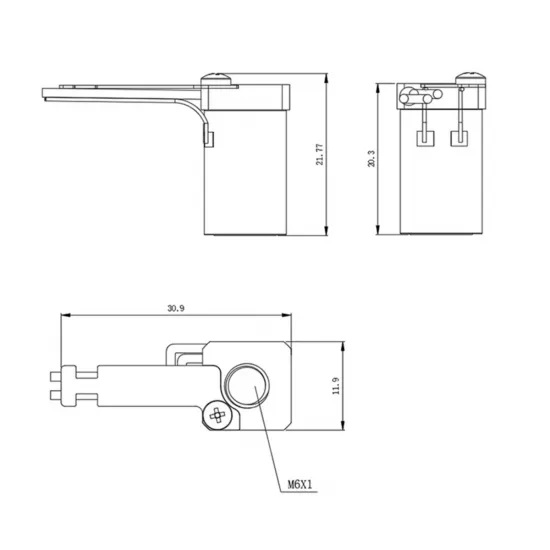
| Geometry | Volcano type, M6 × 1 thread | Requires a nozzle and heatbreak with compatible length and sealing geometry |
| Approximate dimensions | 20.3 mm body; 21.77 mm total height; 30.9 × 11.9 mm upper assembly | Check mount, duct, probe, height and cable exit |
| Declared maximum | Up to 300 °C | Use a lower operating limit and respect the most restrictive component |
Power and electronics: mandatory checks
At 24 V and a nominal resistance of 5 Ω, the electrical approximation is 4.8 A and 115.2 W. Trianglelab declares 115 W maximum; its test records 23.6 V, 4.48 A and 105.7 W at the initial 24 °C point, with lower consumption as the element temperature rises.
Before connection, verify the continuous-current rating of the hotend output, MOSFET, tracks, fuse, terminals or connectors, wiring and power supply. Retain electrical and thermal margin and check for hot contacts. If the controller is not adequately rated, use a suitable power stage for the load and PWM control in accordance with the controller documentation.
max_power, PID_MAX or an M307 limit may reduce duty cycle after a safe installation, but connectors, MOSFET, wiring and PSU must support the intended load and its transients.
Volcano-type melt zone
The extended ceramic body applies heat over a longer path than the compact CHC. This can support higher flow with larger nozzles or greater speed, provided that the material receives enough energy without degrading and the extruder maintains stable feed.
A useful slicer relationship is:
volumetric flow ≈ line width × layer height × speed
Measure stable maximum flow for each material and nozzle and retain a margin. Under-extrusion, an irregularly matt surface, falling temperature, extruder skipping or weaker layer bonding indicate that the system may be exceeding its useful capacity.
Compatibility
Trianglelab lists Volcano, CR-10, Hemera, Matrix, Titan Aero and DDB-Volcano kits. Treat this as possible integration with the appropriate parts, not as a drop-in replacement for every machine or hotend in those families.
- The nozzle requires Volcano-type length and a suitable M6 thread.
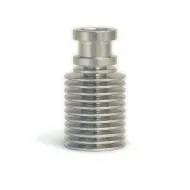
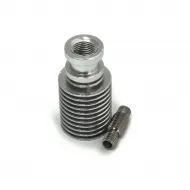
- The heatbreak must reach the sealing point and match the heatsink and filament path.
- The mount must accommodate the greater length, lateral cable exit and silicone sock.
- The part-cooling duct, probe and Z offset may require adjustment.
- The controller and PSU must support the Pro's electrical demand.
Creality Ender-3/CR-10, Original Prusa, Voron, Rat Rig and other projects can use it through a hotend or toolhead specifically designed for CHC Pro/Volcano. Always check the exact model and revision; generic M6, V6 or Volcano labels do not establish correct fit by themselves.
Kit contents
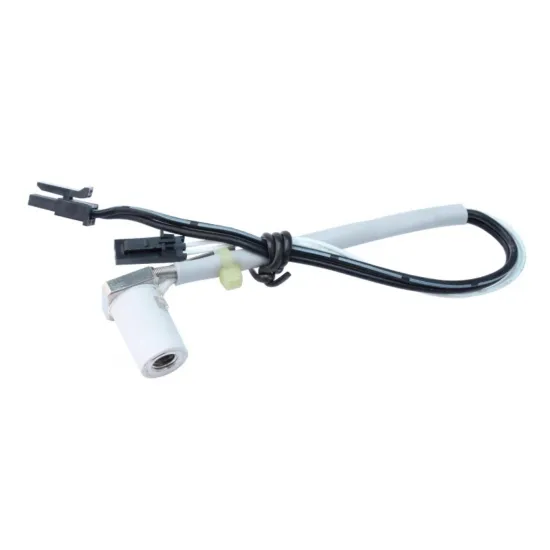
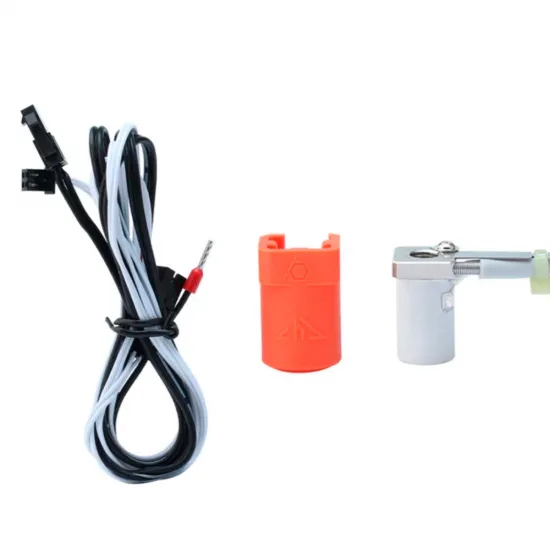
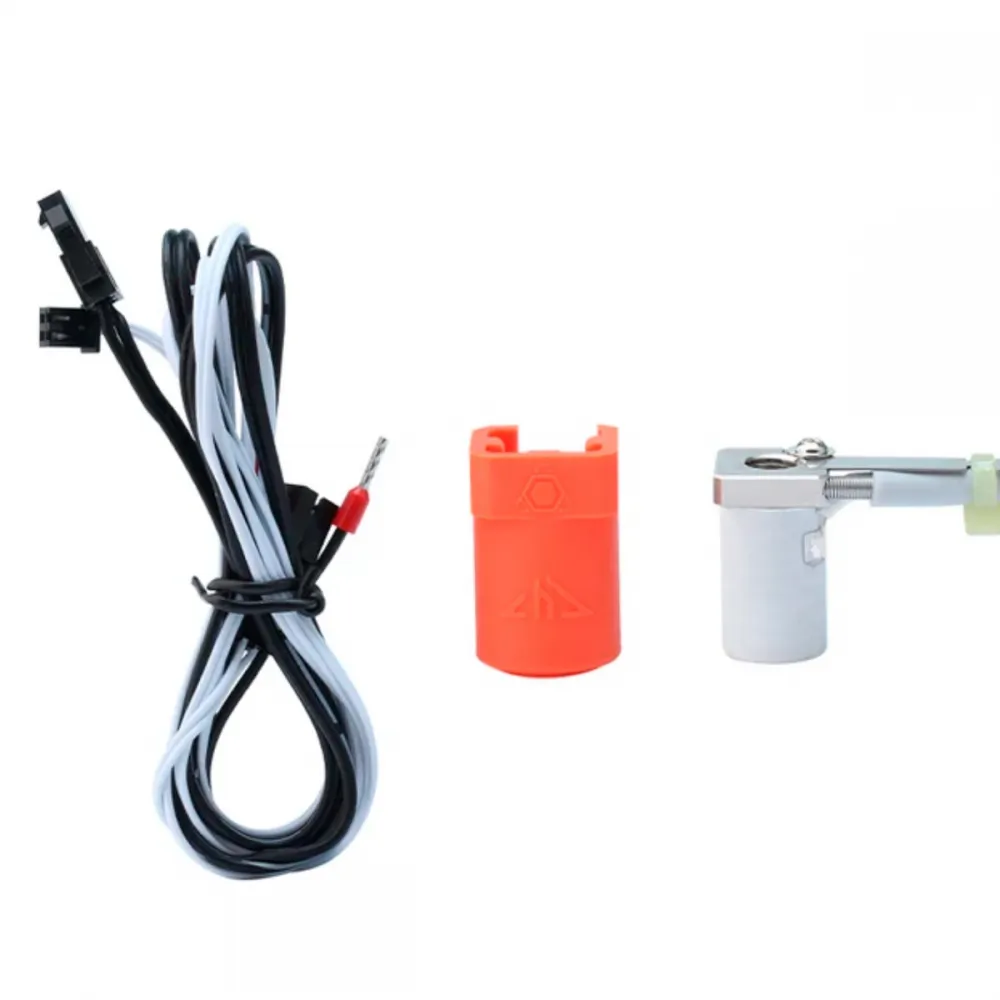
- Trianglelab 24 V CHC Pro B3950 heater core.
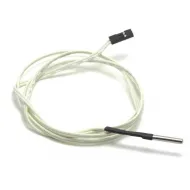
- Integrated NTC 100K B3950 thermistor.
- Silicone sock for the extended body.
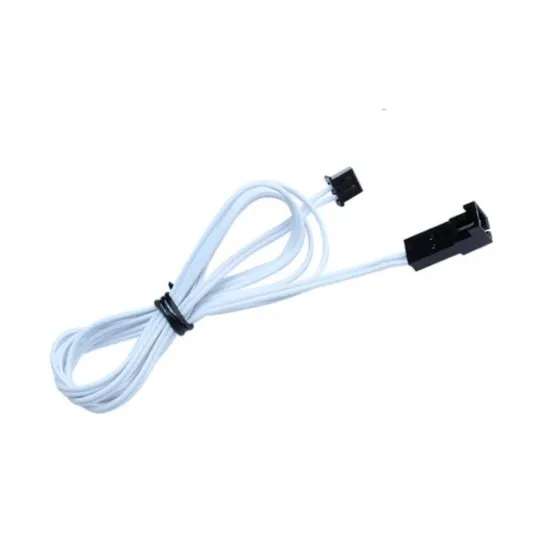
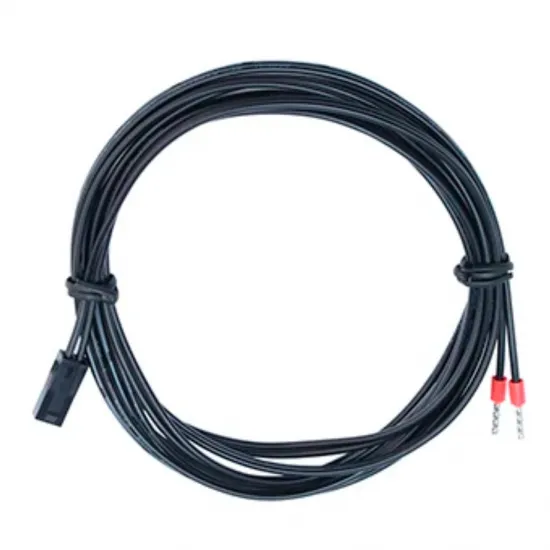
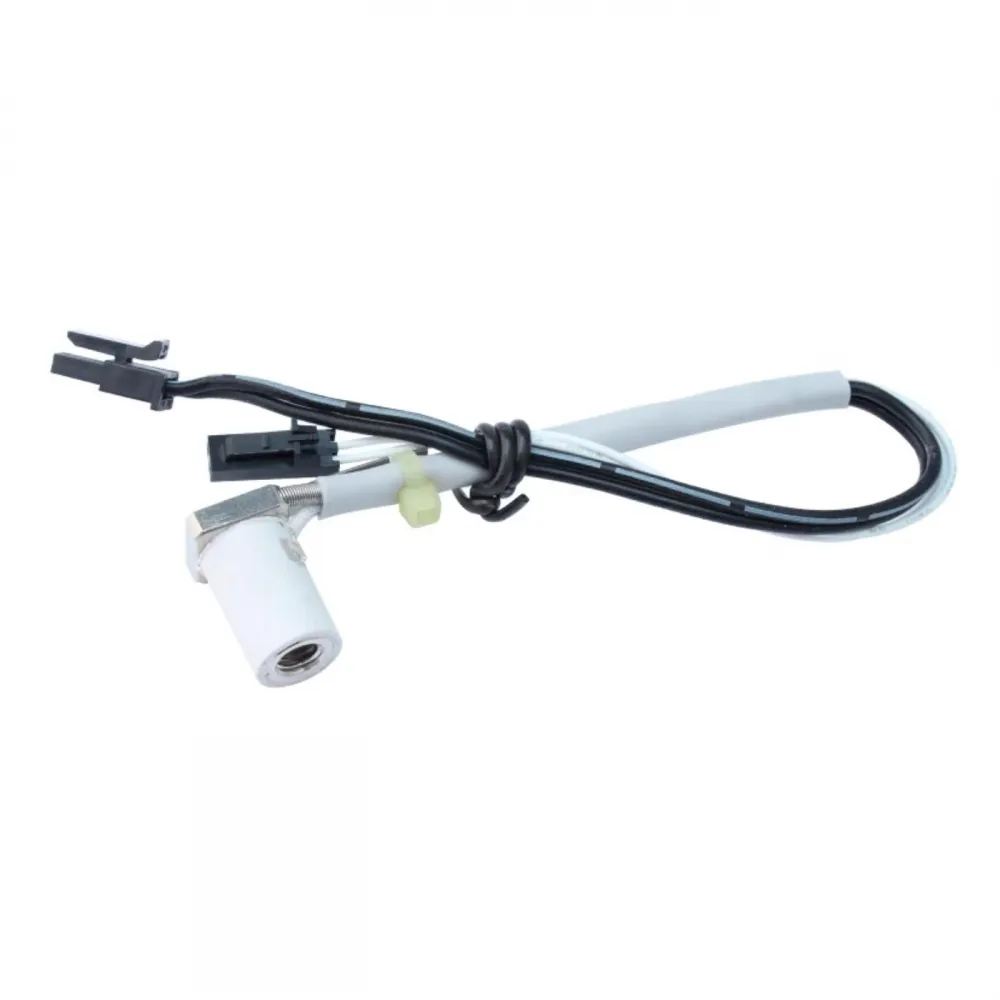
- Heater and sensor extensions as shown in the photographs.
Heatsink, heatbreak and nozzle are not included unless the product options explicitly state otherwise. Verify the pinout and function of each pair: physically identical connectors do not prove polarity or current capacity.
Assembly and first power-up
- Disconnect the machine, confirm 24 V and measure cold resistance. Identify heater and sensor without relying only on wire colour.
- Validate the ratings of controller, MOSFET, connector, cable, fuse and PSU before assembly.
- Check that the Volcano nozzle and heatbreak seal against each other internally. A shared M6 thread with the wrong length can cause molten-plastic leakage.
- Do not strike, clamp or use the ceramic ring as a support. Hold the specified metal section and avoid torsion or repeated bending at the cable exit.
- Fit the sock without trapping wires and ensure continuous heatsink cooling.
- Configure the sensor and conservative limits first. Supervise initial heating and check temperature, connections and sealing.
- After stabilising the assembly, tune thermal control, Z offset, retraction, flow, pressure/linear advance and volumetric flow.
Firmware configuration
The supplied version is B3950: the older 104NT-4/table 5 configuration does not apply to this product.
- Marlin: Trianglelab specifies
#define TEMP_SENSOR_0 1. Keep thermal protection enabled and review any power limit only after validating the hardware. For PID, use an adapted example such asM303 E0 C8 S220 U1, followed byM500if EEPROM is enabled. - Klipper: use
sensor_type: Generic 3950. Reviewsensor_pin,min_temp,max_tempandmax_power. Tune withPID_CALIBRATE HEATER=extruder TARGET=220andSAVE_CONFIG. - RepRapFirmware 3: define the curve with an adaptable command such as
M308 S1 P"e0temp" Y"thermistor" T100000 B3950before the correspondingM950. With the tool configured, useM303 T0 S220, review M307 and save with M500 where appropriate.
Autotuning may overshoot the target. With a heater of this power it must be run from a safe condition, under supervision, with normal cooling and sufficient margin below the assembly limit. Pins, numbers and targets in the examples are not universal.
This product is for you if
- You need a compact but extended Volcano-type melt zone for higher potential flow.
- Your 24 V electronics are prepared for a load of up to 115 W with margin.
- You will validate nozzle, heatbreak, mount and firmware and can recalibrate the complete profile.
This product is not for you if
- You do not know the current rating of the hotend output or its connectors.
- You need a short V6 drop-in replacement or a 12 V heater.
- You expect guaranteed speed or flow without testing material, nozzle and extruder.
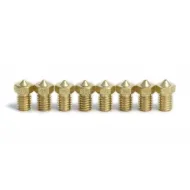
If lower power and compact geometry are the priority, see the Trianglelab 24 V CHC B3950. The CHC Pro can use a 0.4 mm Brass Volcano nozzle or 0.6 mm and 0.8 mmVolcano-type hotend.