

- Stock: Out of Stock
- Model: Nozzle-ZS-0.6-SF

Model:

Clon V6 0.1
Clon V6 0.25
Clon V6 0.3

Clon V6 0.35

Clon V6 0.4

Clon V6 0.5

Clon V6 0.6

Clon V6 0.8

TV6 0.3

TV6 0.4

TV6 0.5

Hardened Steel 0.4

Hardened Steel 0.5
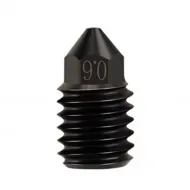
Hardened Steel 0.6

Plated Copper 0.4

Plated Copper 0.6

Plated copper and 0.4 hardened steel tip

Plated copper and 0.6 hardened steel tip
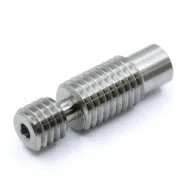
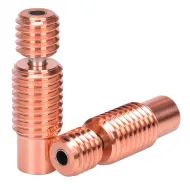
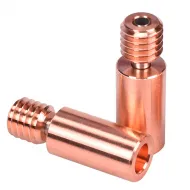
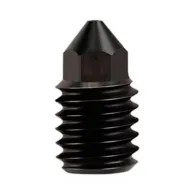
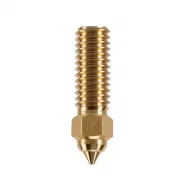
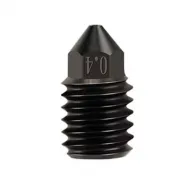
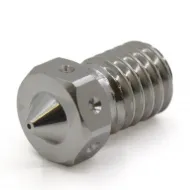
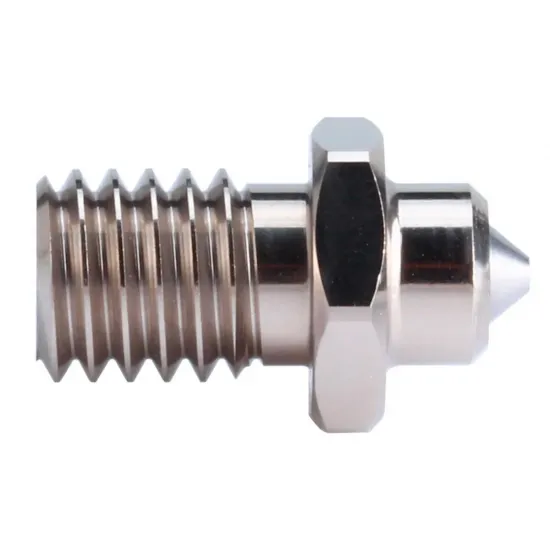
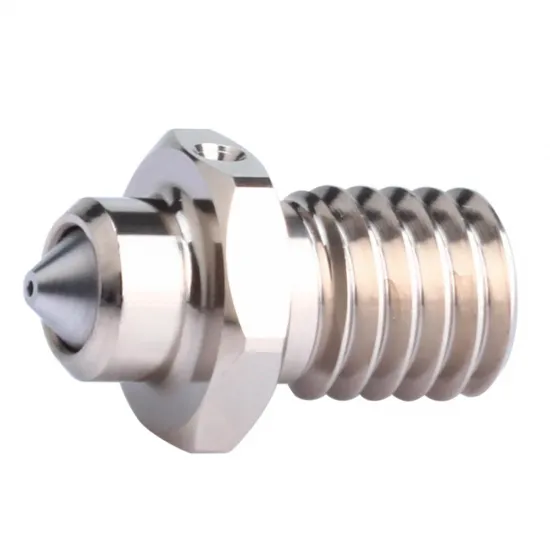
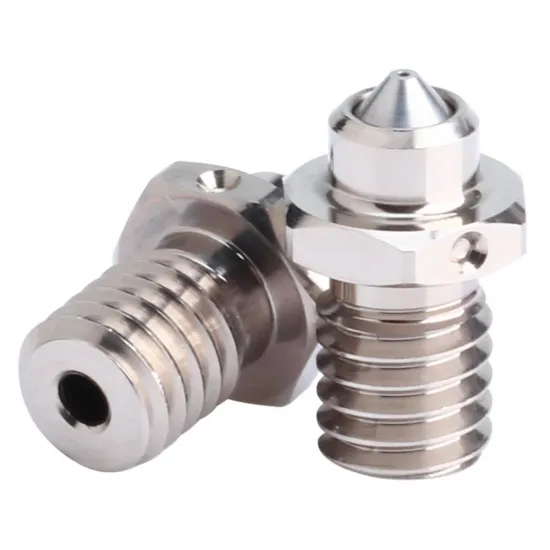
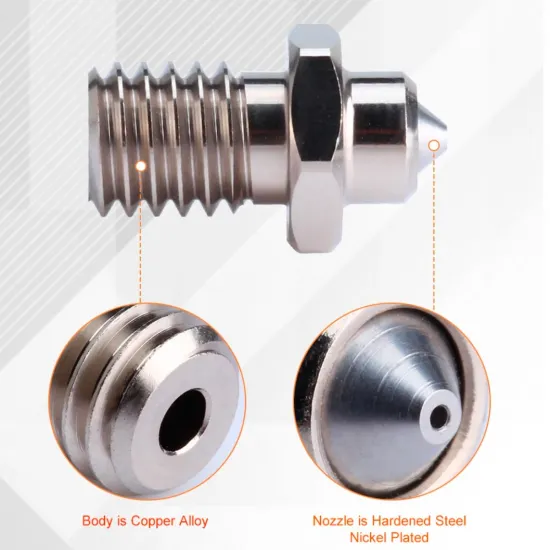
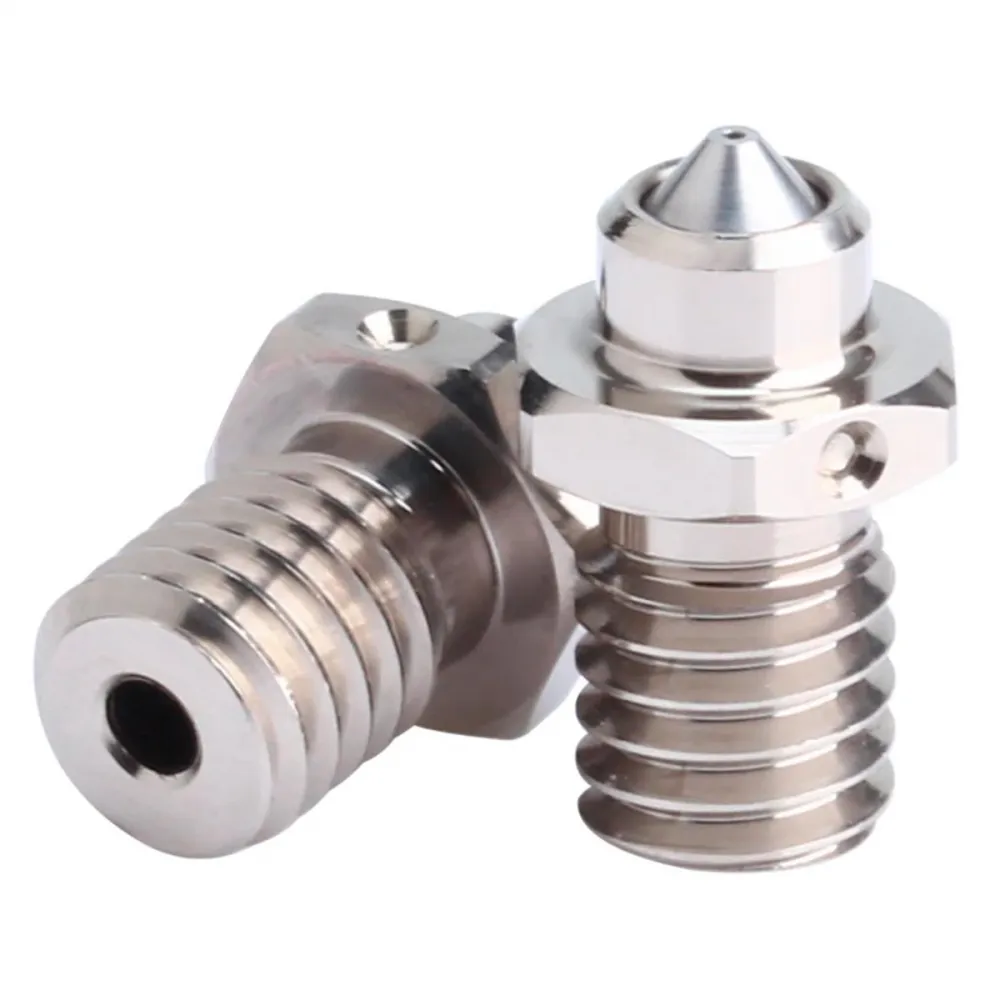
The Trianglelab ZS V6 0.6mm combines a copper-alloy body with a nickel-plated hardened-steel tip or insert. The body helps spread heat while the outlet area resists wear from carbon fibre, glass fibre, glow and other abrasive fills.
Its 0.6mm outlet provides a wider path than the 0.4mm version. This reduces clogging risk with many fills, supports wider lines and thicker layers and offers greater potential flow, although actual throughput still depends on hotend, temperature and material.
Verified specifications
| Feature | Value |
|---|---|
| Brand and family | Trianglelab ZS V6 |
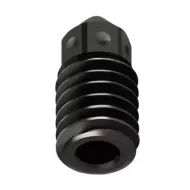
| Outlet | 0.6mm; officially identified by 2 dots on the hex flats |
| Filament | 1.75mm |
| Body | Copper alloy |
| Tip / insert | Nickel-plated hardened steel |
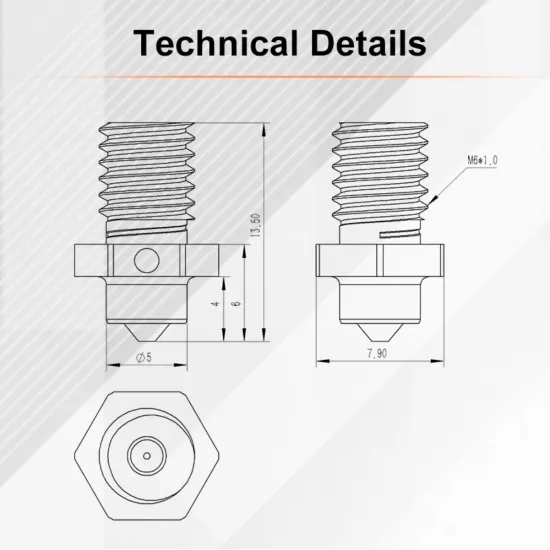
| Thread | M6 × 1.0 |
| Nominal length | Approx. 13.5mm in the drawing |
| Hex | 7.9mm in the drawing |
| Contents | 1 nozzle |
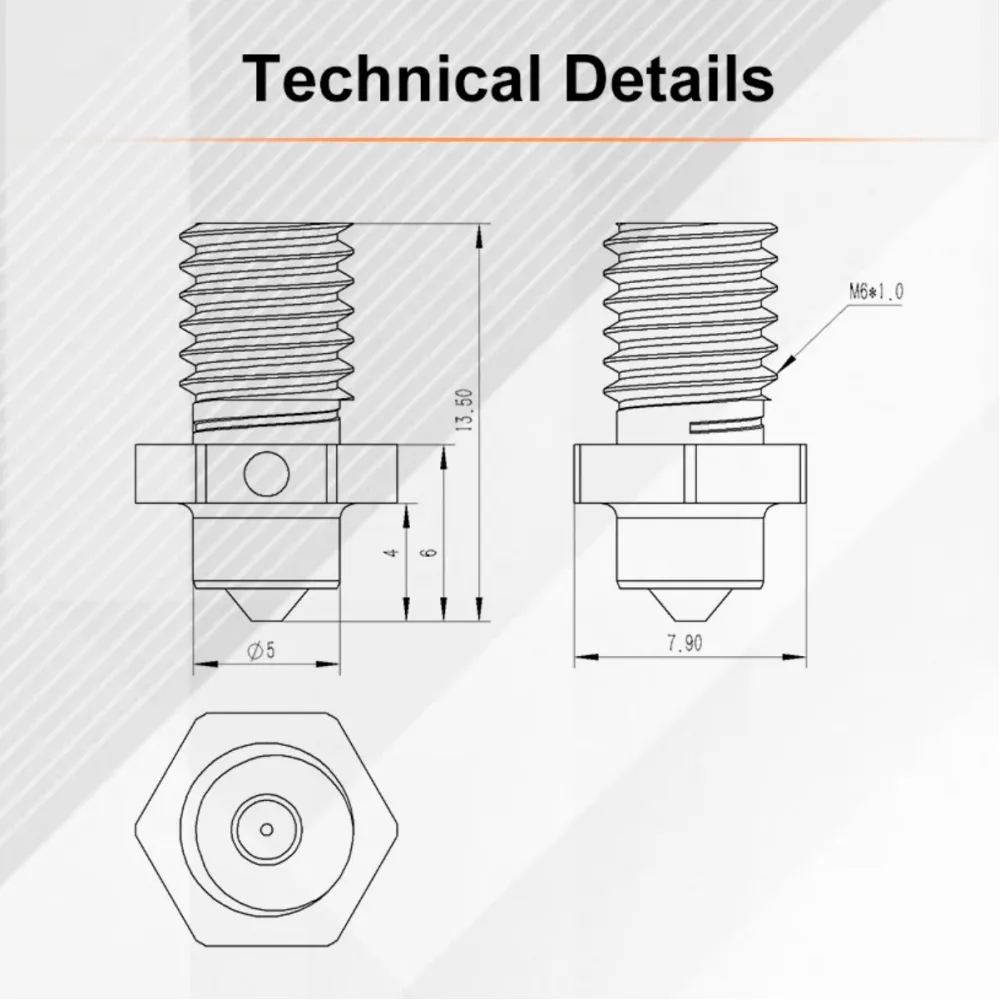
Mechanical compatibility
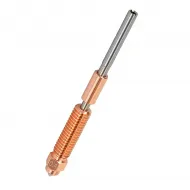
Trianglelab declares V6, CHC Hotend Mini, TCHC TD6, TR6 and TD6S, and CHC Matrix compatibility. Other assemblies qualify only when they reproduce the M6 × 1 thread and complete V6 geometry: length, heatbreak sealing face, tip clearance and tool access.
It may be considered with the V6 M6 heater block, V6 M6 block for encapsulated 3mm sensors and suitable configurations of the high-quality compact V6 hotend. It is not a direct replacement for MK8, Volcano, Revo, TZ, K1 or integrated nozzles.
0.6 or 0.4mm
Choose 0.6mm when the material needs a wider path, wider lines are useful or productivity matters more than fine detail. The Trianglelab ZS V6 0.4mm retains finer detail and allows existing 0.4mm profiles to serve as a starting point.
Correct installation and sealing
- Unload filament and follow the hotend maker's replacement procedure.
- Hold the heater block with a suitable tool and screw the nozzle in without force.
- Hot-tighten at the temperature and torque specified for the assembly without twisting heater or sensor wires.
- The nozzle must seal against the heatbreak inside the block; a small hex-to-block gap may be normal.
- Check for leakage during the first heat cycles.
0.6mm profile changes
- Set nozzle diameter to 0.6mm before slicing.
- Approximate 0.20-0.40mm layers and 0.60-0.72mm lines are common starting ranges, not product limits.
- Recalibrate Z offset, first layer and flow/extrusion multiplier.
- Review speed because the larger cross-section can exceed hotend flow even at moderate movement speed.
- Retune pressure/linear advance and PID/MPC when justified.
A 0.6mm outlet does not itself increase melt capacity. If under-extrusion appears, calculate volumetric flow and reduce speed, line width or layer height before exceeding the filament's temperature range.
Temperature and abrasives
The metal construction suits technical materials, but the safe maximum is set by the lowest-rated sensor, heater, block, heatbreak, wiring, fan, sock and firmware component. No universal 450 or 500°C hotend rating is claimed.
The 0.6mm outlet is often a good match for reinforced materials such as Sakata PA-CF15 when its current instructions permit that diameter and drying, enclosure and build-surface requirements are met.
It is for you if
- You print abrasives whose maker recommends at least 0.6mm.
- You want wider lines or thicker layers and can update the profile.
- Your hotend uses complete V6 M6 geometry.
It is not for you if
- You prioritise very fine features or want to reuse 0.4mm G-code unchanged.
- Your material requires 0.8mm or more.
- Your hotend uses another nozzle family despite also having an M6 thread.
For a simpler construction see the 0.6mm hardened-steel V6 nozzle.